High-performance custom solutions engineered to strict international quality standards for refrigeration units, condensers, and compressor systems.
Insights into double-walled steel tube metallurgy, performance dynamics, and micro-cleanliness benchmarks in heat transfer systems.
In the fields of domestic refrigeration, industrial HVAC, and automotive braking applications, the Bundy tube (historically known as double-walled, copper-brazed low-carbon steel tubing) represents a core structural and thermodynamic building block. Originally engineered to withstand high vibration, extreme pressure variables, and aggressive chemical environments, Bundy tubes are uniquely characterized by their manufacturing process. A single strip of copper-coated steel is roll-formed through 720 degrees to create a double-walled configuration, followed by high-temperature furnace brazing. This metallurgical fusing guarantees a pressure-resistant, hermetically sealed tube with superior tensile strength and ductility compared to single-walled alternatives.
Selecting the correct tubing class requires understanding the specific mechanical loads and system configurations. Standard single-walled steel tubes are suitable for low-vibration environments, but heavy-duty compressors and complex cooling matrices demand the mechanical safety factor of double-walled Bundy tubes. In high-pressure environments—such as systems running on alternative natural refrigerants like R290 (propane) or R744 (carbon dioxide)—the structural integrity of the tubing is critical for system safety.
Double-walled construction delivers burst pressure performance exceeding 100 MPa. This structural headroom ensures protection against hydraulic shock and pressure spikes caused by compressor cycling.
Internal residual contamination is limited to less than 0.15 mg/dm² (well below standard refrigeration tolerances). This prevents chemical degradation of modern polyester (POE) oils and natural refrigerants.
Surface treatments range from traditional copper plating to advanced trivalent zinc chromate and polymeric topcoats. These coatings are tested to survive up to 1,000 hours in ASTM B117 salt spray environments.
Exploring the strategic market shifts driven by environmental mandates, raw material volatility, and high-efficiency heat exchangers.
The global refrigeration and automotive components sector is undergoing transition. As manufacturers align operations with international decarbonization goals and the Kigali Amendment to the Montreal Protocol, component designs are evolving to meet these new standards. Below are the key trends driving engineering specifications for Bundy tubes today:
The rise of hydrocarbons (R600a and R290) requires internal tube cleanliness and leak-free reliability. Residual lubricants or metal shavings inside the tubing can react with these eco-friendly refrigerants, leading to premature system failures.
To reduce raw material costs and improve heat transfer efficiency, OEMs are requesting wall thicknesses as thin as 0.50mm to 0.60mm. Achieving this thin-wall design without sacrificing burst pressure requires precise steel chemistry and furnace controls.
Environmental regulations like REACH and RoHS are phasing out hexavalent chromium (Cr6+) coatings. Leading manufacturers are transitioning to trivalent chromium passivation and zinc-rich organic coatings to maintain corrosion resistance.
Additionally, geopolitical supply chain shifts are prompting major OEMs to seek partners with global footprints. Suppliers must not only offer competitive pricing but also provide regional logistics hubs, flexible delivery, and local compliance documentation to navigate dynamic tariff landscapes.
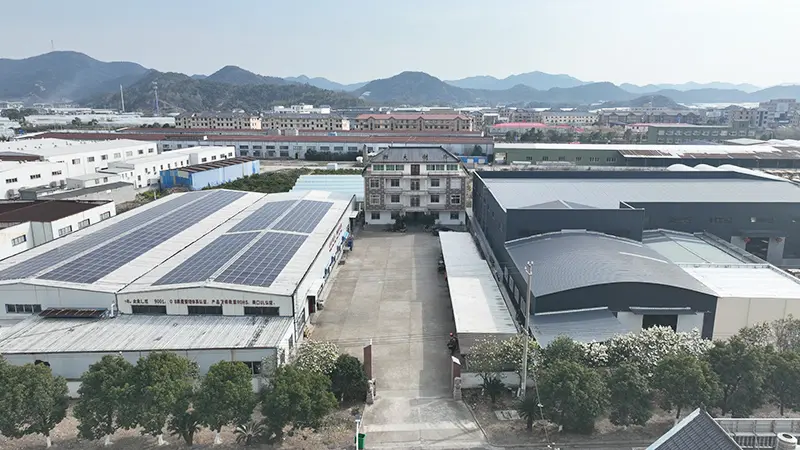
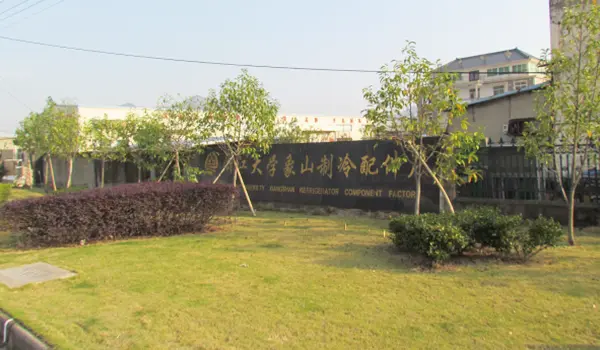
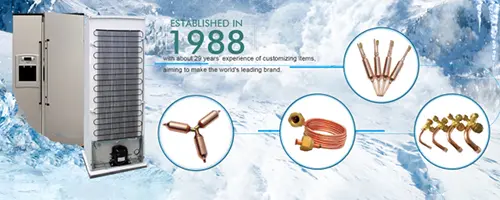
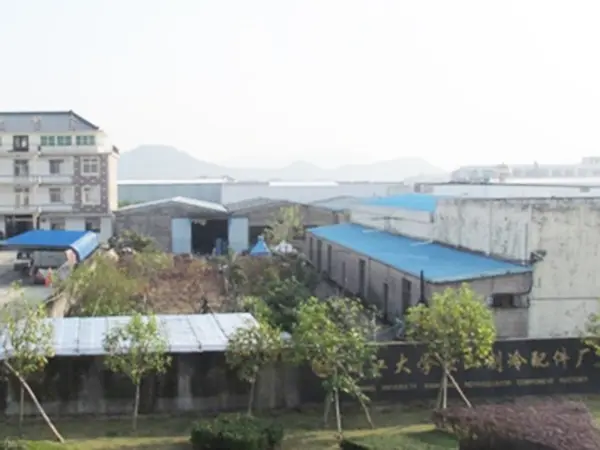
Originally established in 1988 as the Xiangshan Refrigeration Accessories Factory of Zhejiang University, now a national high-tech enterprise.
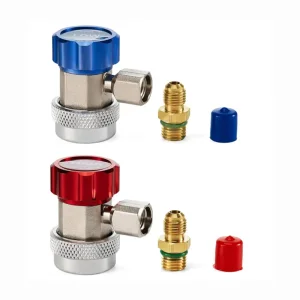
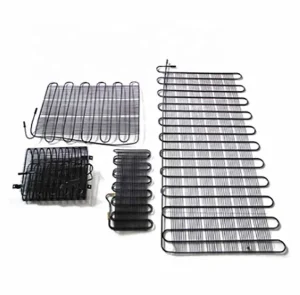
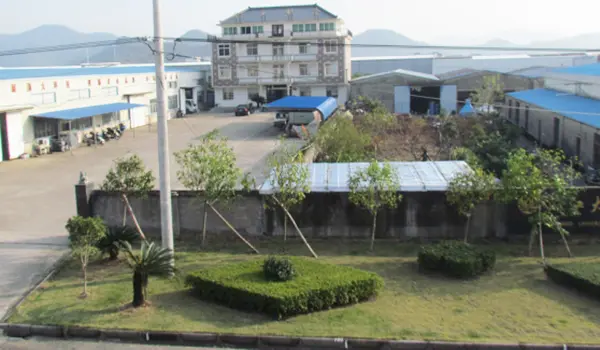
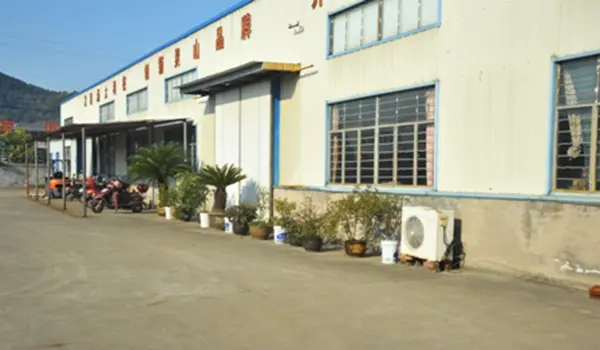
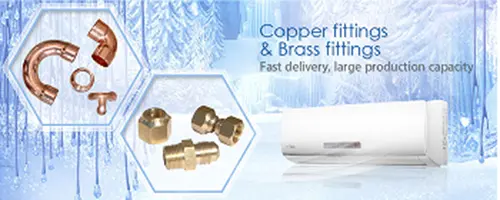
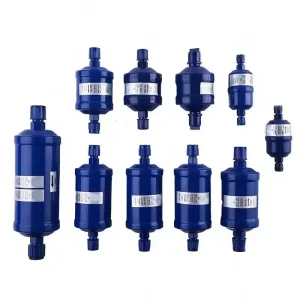
Ningbo Taojun Refrigeration Equipment Co., Ltd. is located in the scenic industrial hub of Xiangshan, Ningbo. For over 35 years, our company has specialized in designing, manufacturing, and distributing high-performance refrigeration accessories, including filter driers, check valves, air conditioning valves, wire-tube condensers, and copper/brass fittings.
Through our history of technological collaboration with Zhejiang University, we have driven innovation in metallurgical brazing and high-pressure sealing. In 2021, Taojun was recognized as a national high-tech enterprise, validating our focus on equipment modernization, research and development, and strict adherence to quality frameworks.
Understanding the rigorous technical demands and supply chain standards required by top-tier appliance brands.
OEMs like Haier, Midea, Whirlpool, Electrolux, and Gree require component partners to meet strict quality and delivery benchmarks. Our manufacturing processes are designed to align with these international procurement standards:
We maintain precise control over outer diameter (±0.05mm) and wall thickness (±0.03mm) to ensure seamless integration into automated assembly lines.
By leveraging our factory near Ningbo Port, we support flexible delivery schedules, EDI integration, and buffer-stock systems for key accounts.
Our Manufacturing Execution System (MES) tracks raw material heats, furnace runs, and testing stages for each production lot to ensure complete accountability.
From domestic refrigerator condenser loops to heavy-duty commercial cold storage and automotive fluid systems.
Ensuring performance through a zero-defect quality policy and complete international certification coverage.
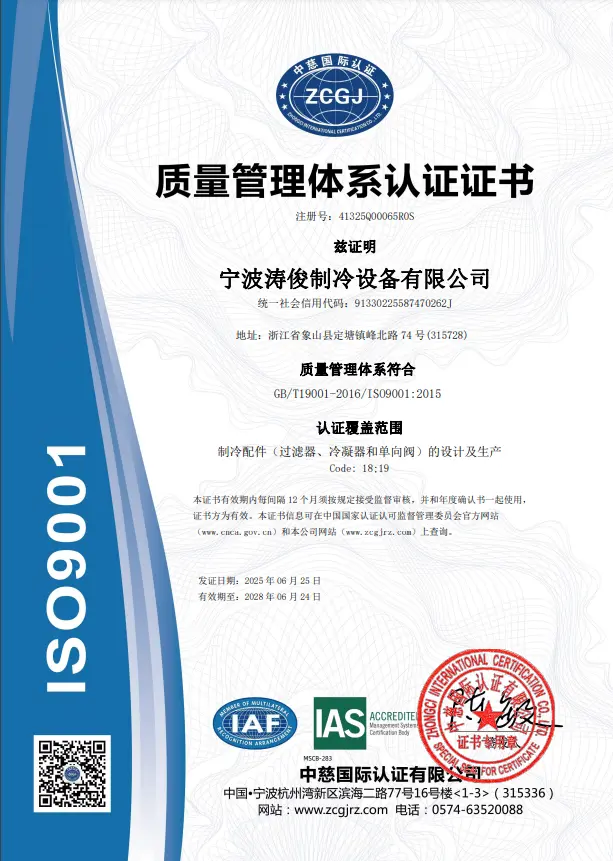
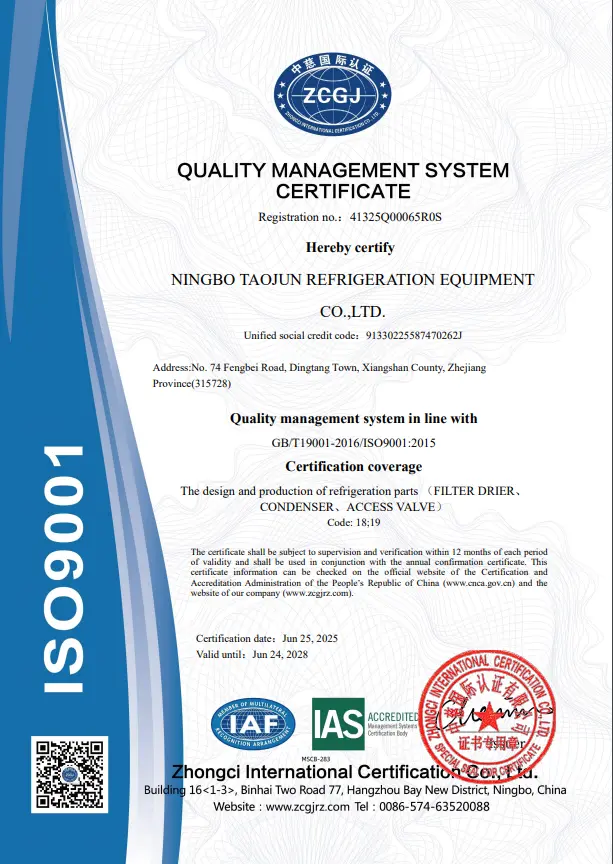
At Ningbo Taojun, our quality management framework is structured around the GB/T19001-2016 / ISO9001:2015 standard (Registration No.: 41325Q00065R0S). This system is backed by advanced inspection equipment, including CCD visual inspection, helium mass spectrometer leak detection, and computerized tensile testing.
Tubing prototypes are cycled between 90°C and -35°C for 500 hours to ensure joints, brazing seams, and plating layers remain stable under extreme temperature changes.
Finished tube assemblies, condensers, and filter driers undergo high-pressure helium chamber testing to detect and prevent micro-leaks down to 10⁻⁸ mbar·l/s.
Our raw materials and finished products carry UL, RoHS, and REACH certifications, simplifying regulatory clearance for your final systems in European and North American markets.
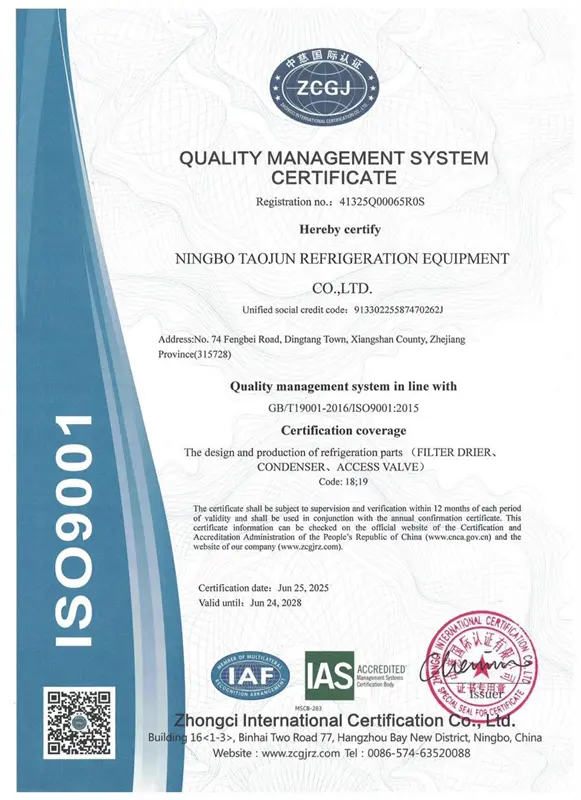
ISO9001 Document
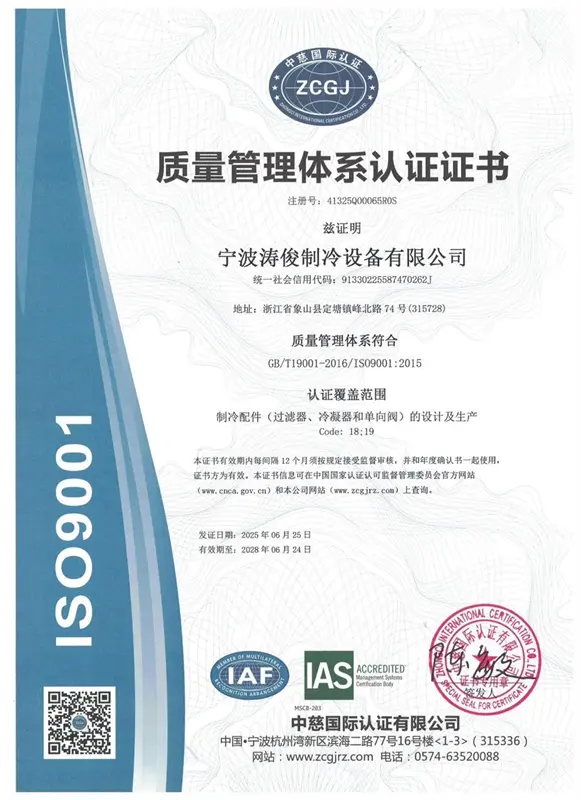
Detailed Scope
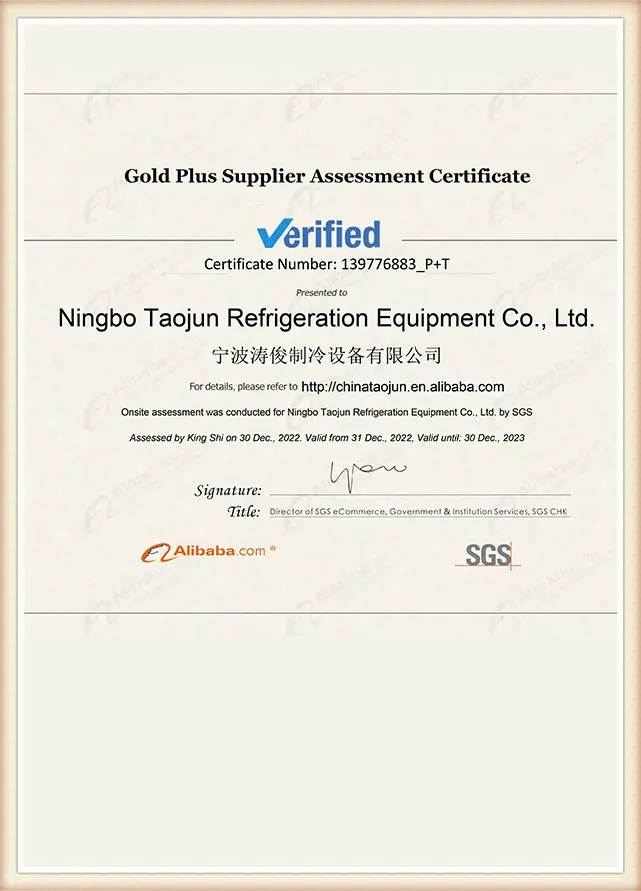
UL Certificate
RoHS/REACH Statement
Zhongci Verification
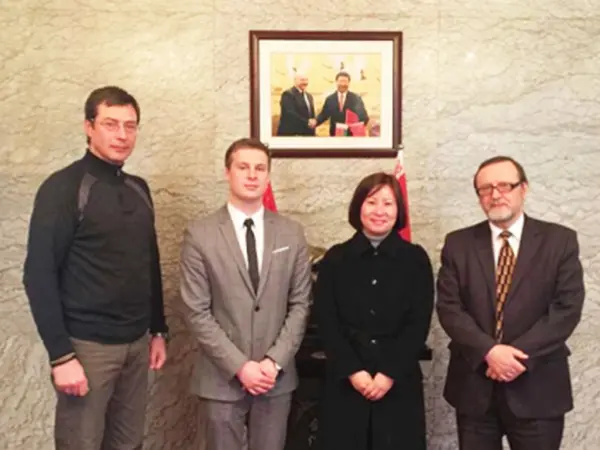
Decades of progress in product optimization and production line scaling.
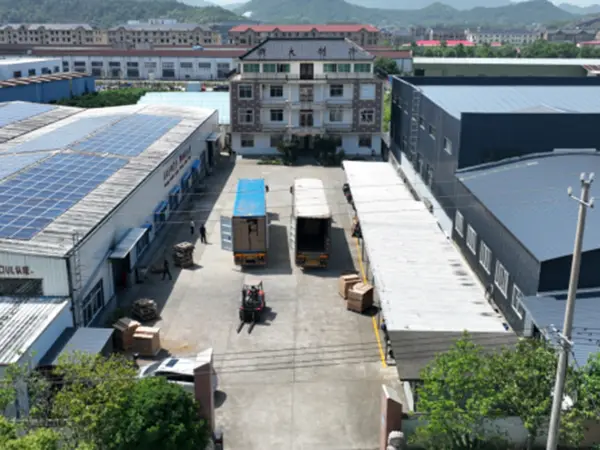
Our strategic plan for product innovation, sustainability, and automated manufacturing processes.
As cooling technologies evolve, Taojun is investing in R&D to address upcoming industry challenges. Our technical roadmap focuses on the following key areas:
We are transitioning our brazing lines to induction heating systems. This increases output consistency while reducing energy use and associated carbon emissions.
We are developing ultra-fine micro-channel steel tubes to support compact heat exchangers. These designs reduce system refrigerant volume while maintaining thermal performance.
Our lab is exploring bi-metal hybrid configurations designed to combine the weight benefits of aluminum with the pressure resistance of steel.
By modernizing our machinery and refining our manufacturing processes, Ningbo Taojun aims to remain a reliable component partner for the global HVAC/R and automotive industries.
Answers to common technical, design, and logistics questions from OEM buyers and engineers.
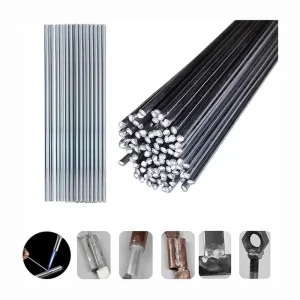
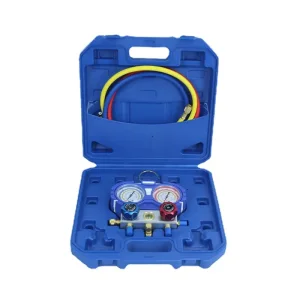
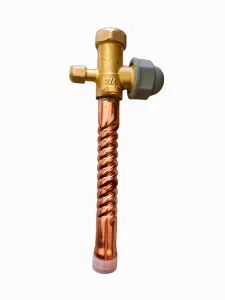
Explore our full line of refrigeration components, including filters, valves, charging adapters, and brazing materials.
 Taojun