Founded in 1988 as the Xiangshan Refrigeration Accessories Factory of Zhejiang University, Ningbo Taojun Refrigeration Equipment Co., Ltd. (commonly known as Taojun Group or Juntao Refrigeration) has developed into a national high-tech B2B enterprise. For over three decades, we have dedicated ourselves to the design, research, development, and supply-chain logistics of core heating, ventilation, and air conditioning (HVAC) accessories.
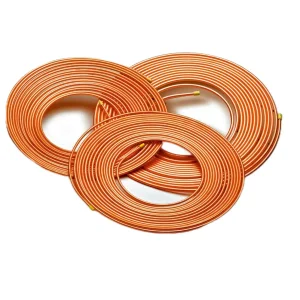
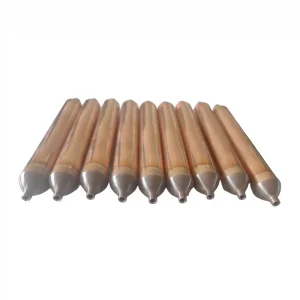
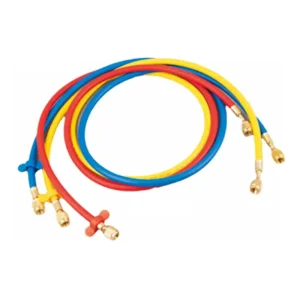
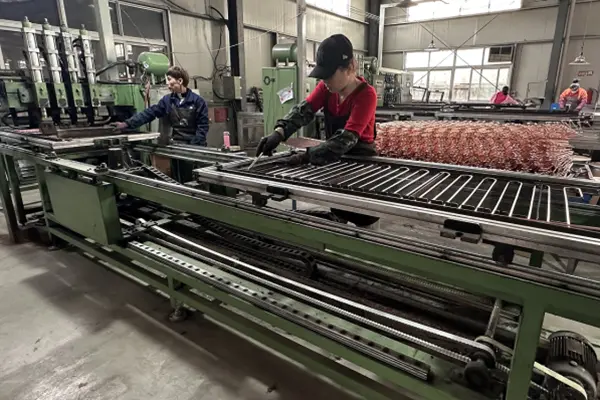
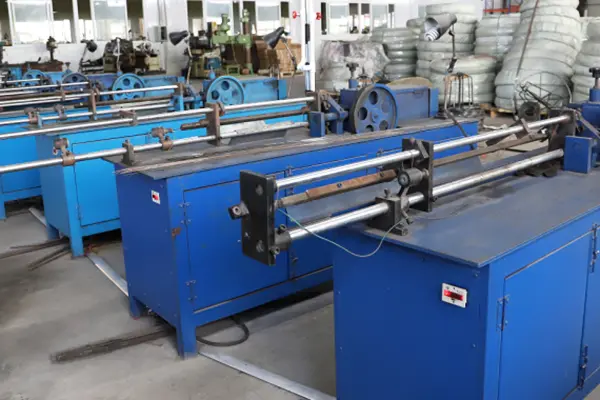
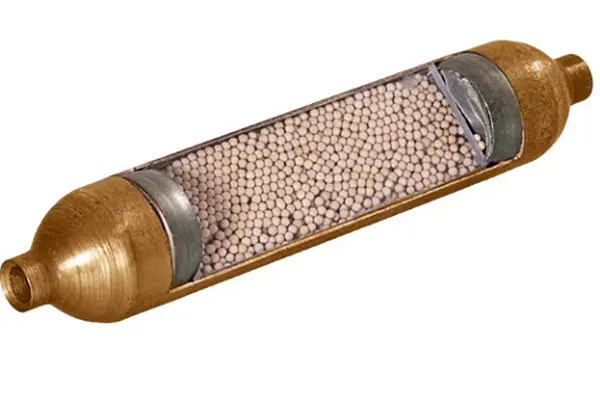
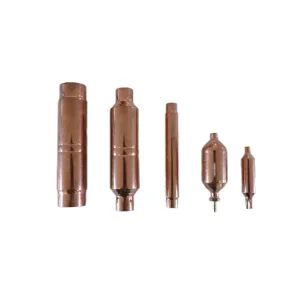
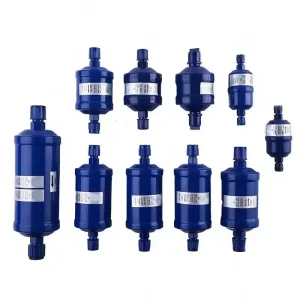
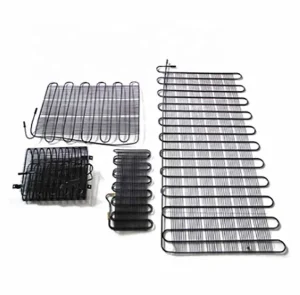
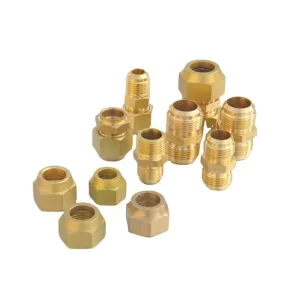
Headquartered in the beautiful coastal tourist city of Xiangshan, Ningbo, our facility utilizes German-imported machinery to manufacture state-of-the-art products. Under our renowned brand names, "Lingshan" and "Taojun", we provide high-performance filter driers, check valves, A/C split service valves, wire tube condensers, brass fittings, and accessories that protect the thermodynamic integrity of refrigeration circuits.
Our commitment to rigorous scientific methodology is backed by our direct engineering roots with Zhejiang University. Today, Taojun acts as a key OEM/ODM manufacturing partner for household appliance brands worldwide, including industry leaders such as Haier, Xinfei, Midea, Gree, Whirlpool, Electrolux, and Huarui.
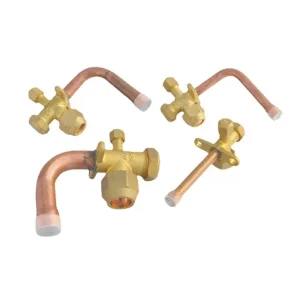
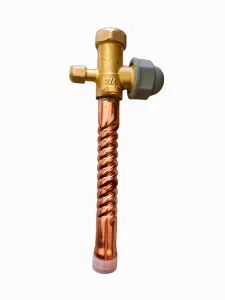
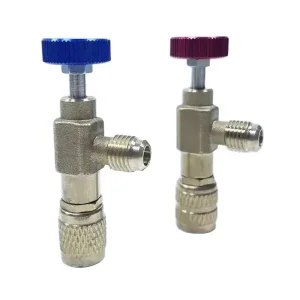
Our A/C split service valves are designed to offer maximum protection against refrigerant leakage. Primarily made of high-purity C37710/HPb59-1 brass, our valves are suitable for split air conditioner outdoor units (available in standard nominal sizes 1/4", 3/8", 1/2", 5/8", and 3/4" with L-bend configurations).
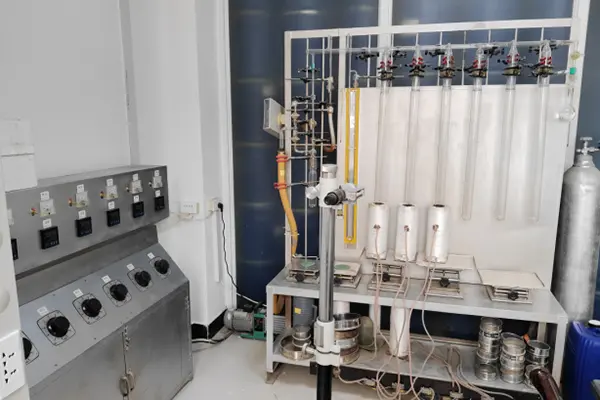
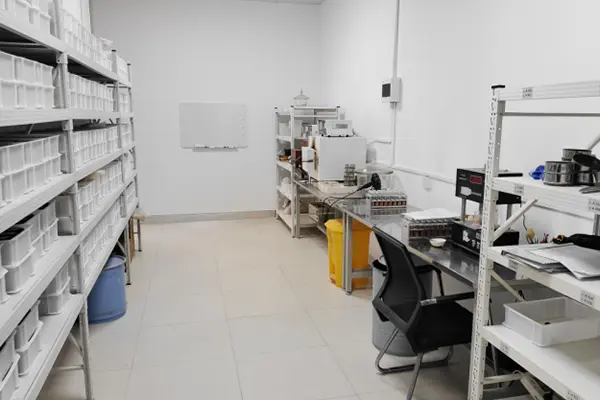
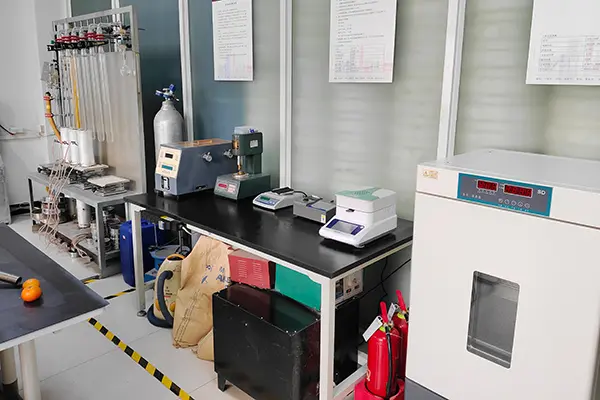
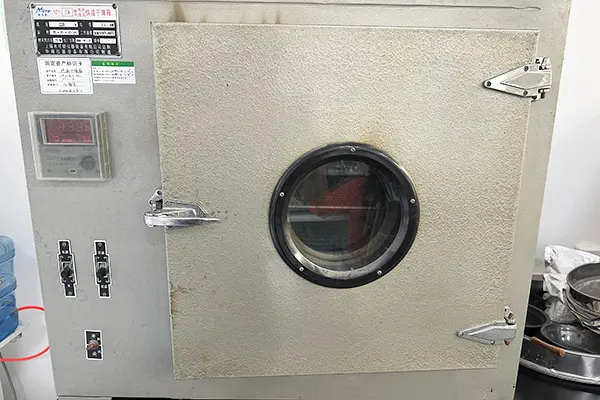
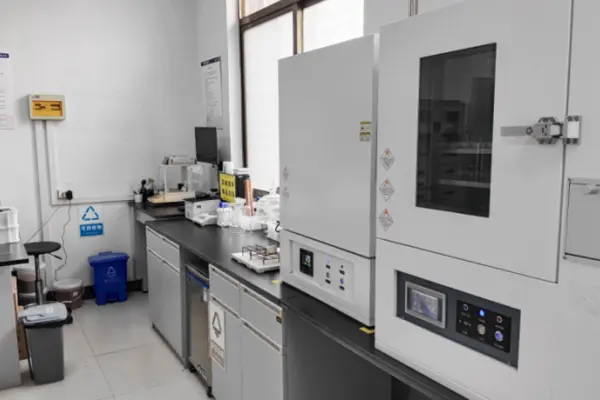
Each split service valve and refrigeration accessory must pass an exhaustive array of testing in our laboratories to guarantee a 10+ year service life:
As international bodies enforce phase-downs on high-GWP (Global Warming Potential) hydrofluorocarbons (HFCs) under the Kigali Amendment, the HVAC sector is transitioning toward R32, R290 (propane), and HFO blends. Our factory has updated our brass alloy formulations and internal seal materials to ensure they are compatible with these low-GWP alternatives, which operate at higher pressures and require higher chemical resistance.
HFC leaks represent both environmental hazards and performance losses. Modern split service valves require double-sealing mechanisms (typically combining primary metal-to-metal seals with secondary elastomeric O-rings made from specialized HNBR or FKM). Taojun's R&D division has optimized seal geometry to maintain hermetic integrity under extreme system vibrations.
Smart buildings require diagnostics down to the component level. Future split valves will feature integrated micro-pressure and temperature sensors, enabling local or cloud-based IoT software to detect pressure loss before a system failure occurs. Our collaborative engineering projects with China's leading technical universities are focused on developing these next-generation smart valves.
For B2B procurement managers and HVAC distributors, buying brass components involves managing risks related to raw material prices, dimensional accuracy, and international compliance. At Ningbo Taojun, we address these challenges through structured B2B protocols:
Copper and zinc price volatility can disrupt production budgets. We maintain long-term hedging arrangements with copper suppliers to secure stable material costs for our contracted OEM/ODM clients.
Using CNC machining centers and advanced tooling, we maintain a ±0.02mm tolerance threshold. This ensures easy installation during outdoor unit assembly and long-term leak prevention.
We support prototype development with a low MOQ of 500 units. Our 15-person engineering team can turn CAD models into physical samples in a short time frame.
Supplying reliable split service valves that handle the everyday thermal cycles of residential installations, protecting against refrigerant leaks and pressure drops.
Heavy-duty, vibration-resistant service valves and copper filter driers engineered to perform in sub-zero industrial settings, keeping food and medical cold chains secure.
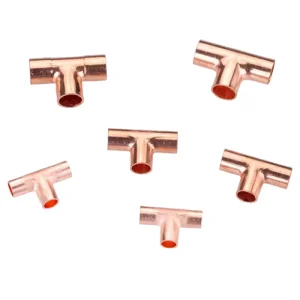
High-precision manifolds, capillary connections, and equal-tee piping arrays designed for multi-zone HVAC commercial systems with complex refrigerant runs.
As environmental regulations tighten and the need for efficiency increases, Taojun's R&D department has established a clear technical roadmap for 2025–2030:
To meet strict drinking water and RoHS requirements, we are phasing in lead-free brass formulations that match the machinability and corrosion resistance of standard alloys. Our proprietary brass formulations show high resistance to stress-corrosion cracking in salt-air environments, making them ideal for coastal air conditioning installations.
By using flow simulation tools and computational fluid dynamics (CFD), we are redesigning the internal flow paths of our split service valves to reduce pressure drop across the valve throat. This directly helps heat pump manufacturers achieve higher SEER and COP ratings.
We are expanding the implementation of our MES (Manufacturing Execution System) and automated optical inspection (AOI) camera systems. By assigning a unique digital passport (QR code tracking) to each batch, we provide full quality traceability from raw copper ingots to finished service valves.
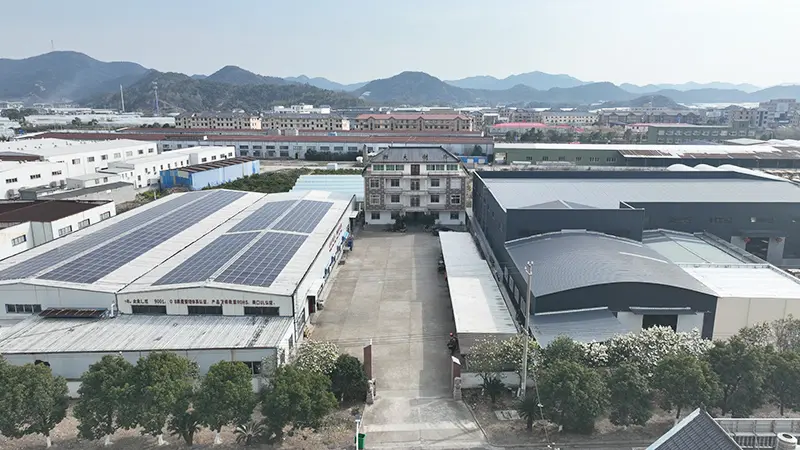

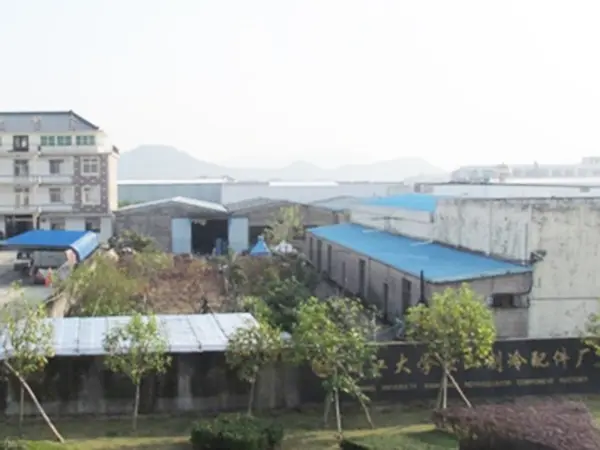
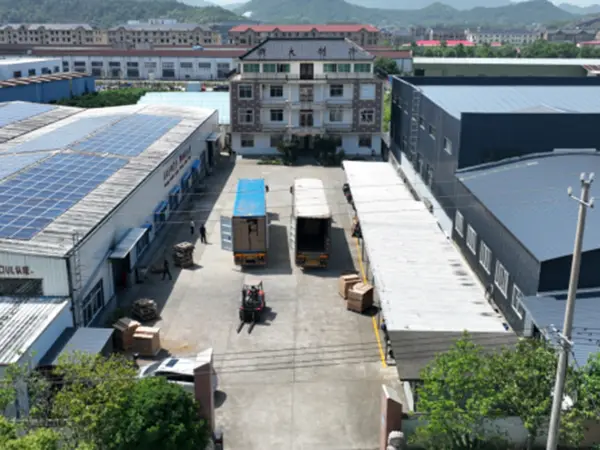
Factory Construction: We expanded our dedicated production facilities to support rising regional HVAC demand.
Digitalization: We launched our initial MES intelligent workshop systems to improve production control and traceability.
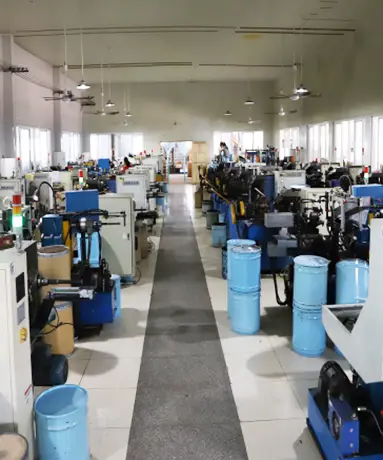
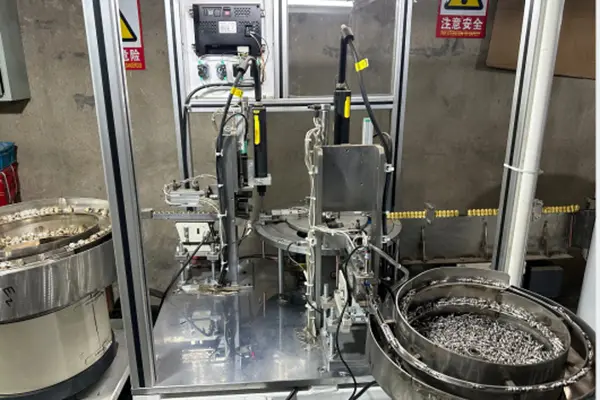
Global Scale: Complete automation lines and advanced leak testing equipment operational for Tier-1 HVAC brands.
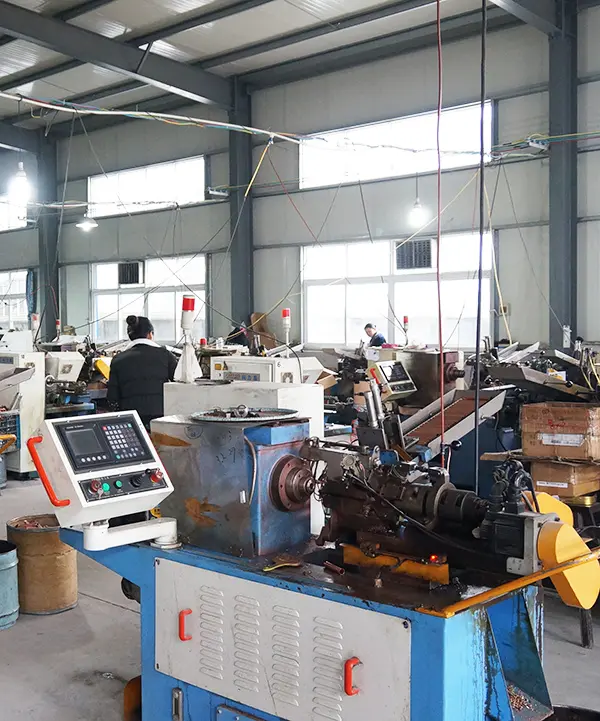
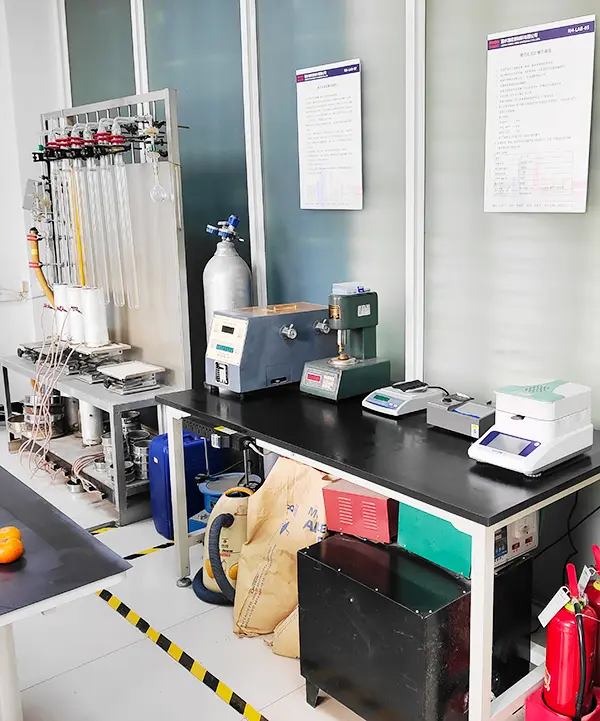
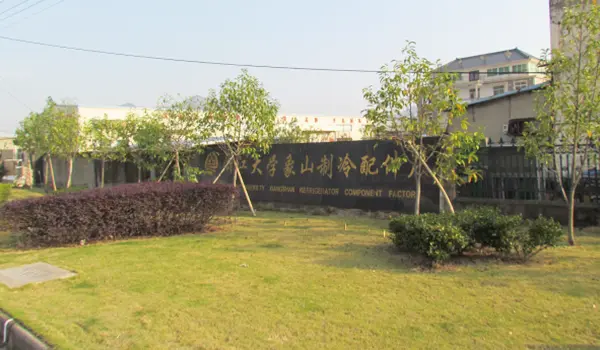
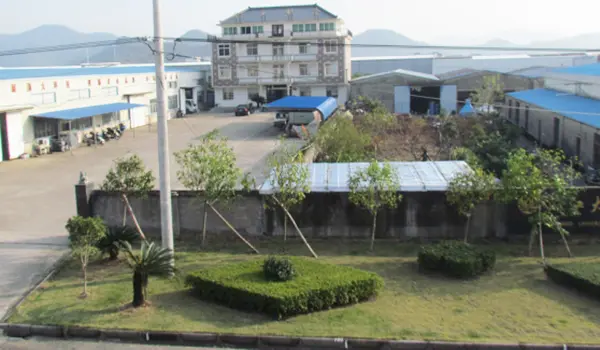
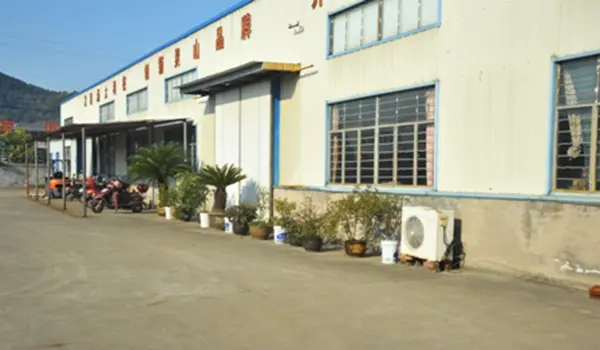
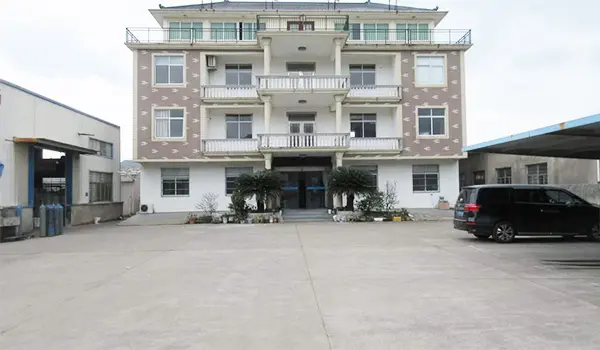
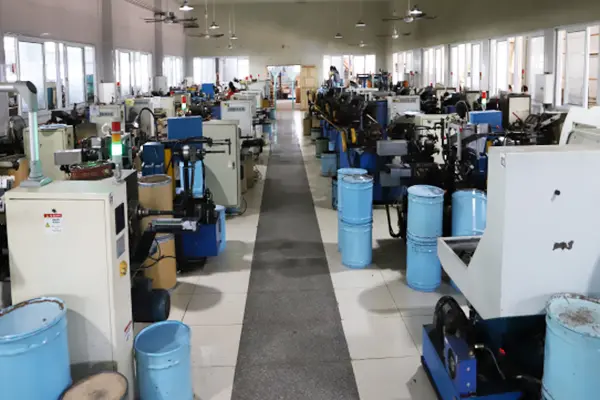
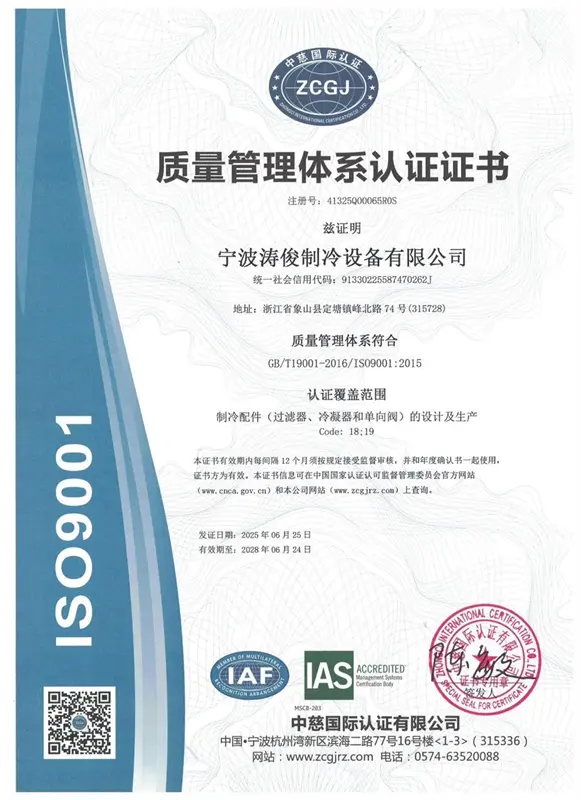
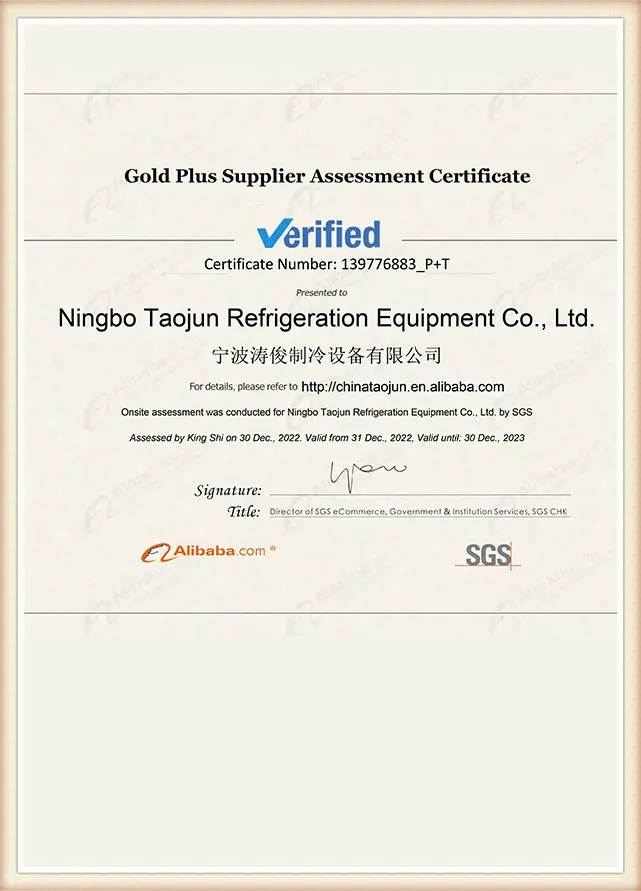
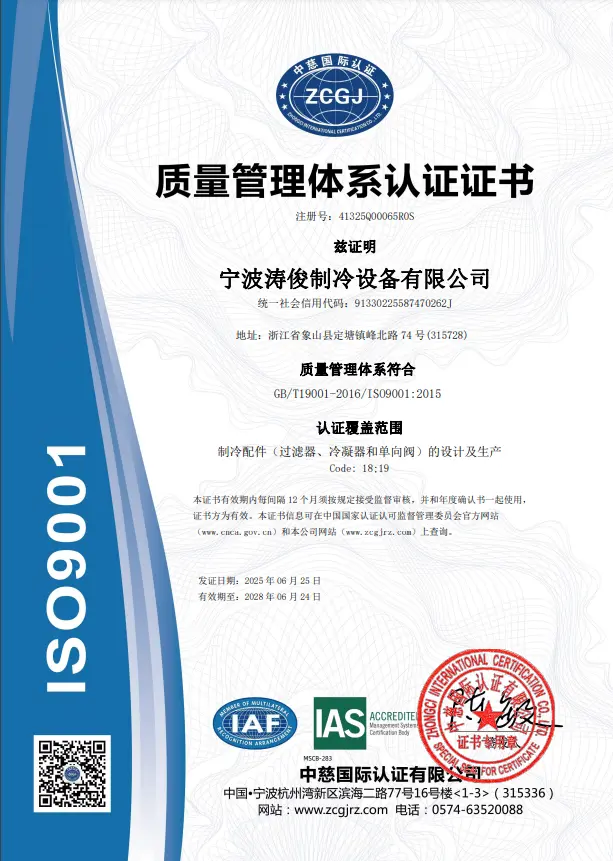
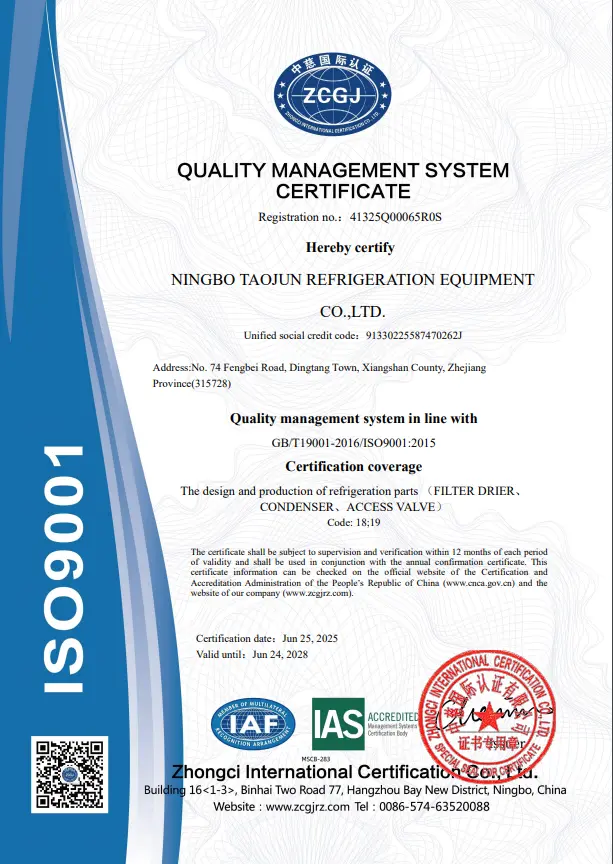
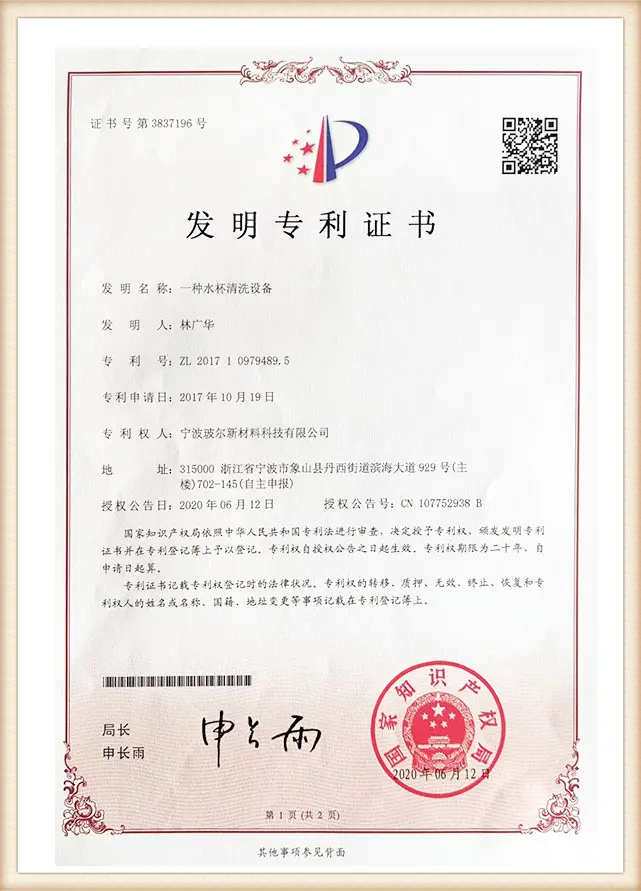
Exporting HVAC products globally requires strict adherence to international standards. Ningbo Taojun ensures compliance with several environmental and safety frameworks, allowing our valves and components to integrate cleanly into European, American, and Asian markets.
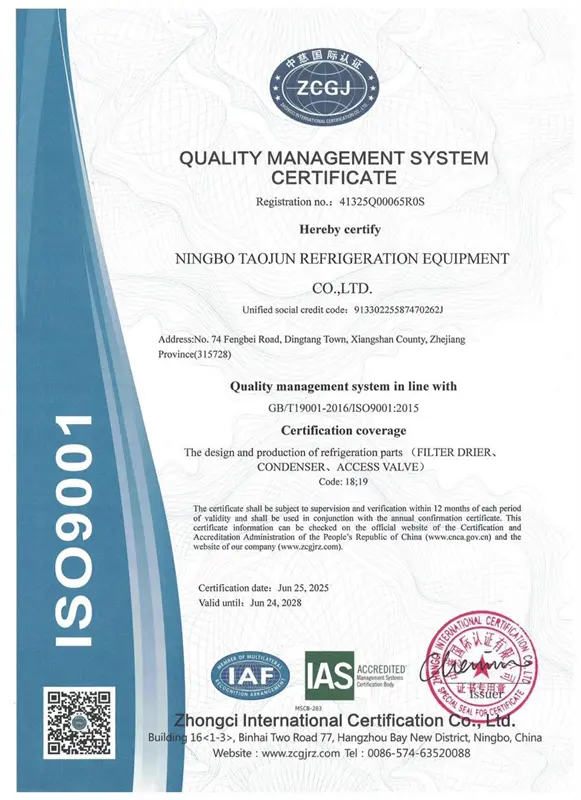
Main ISO Document
Detailed Certification Scope
 Taojun