Engineered for absolute thermal efficiency, pressure integrity, and system safety in high-stress HVAC and industrial environments.
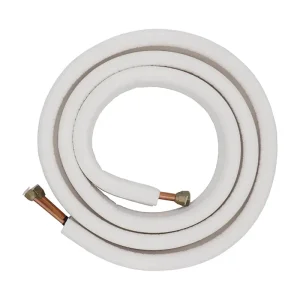
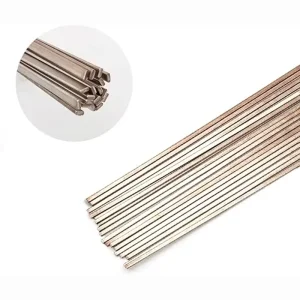
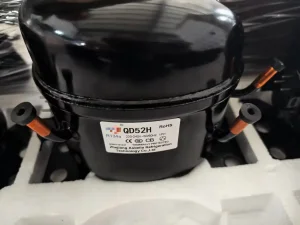
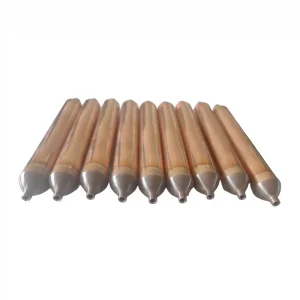
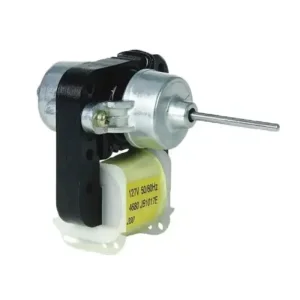
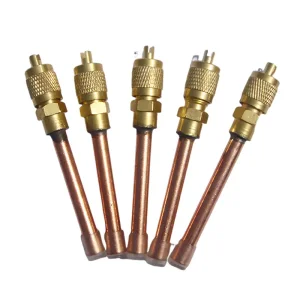
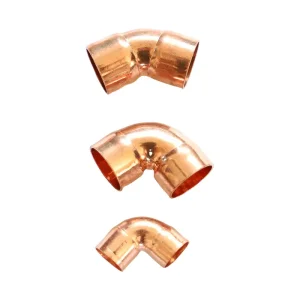
In modern industrial and commercial climate control systems, the choice of piping determines thermal retention efficiency, refrigerant containment security, and system lifespan. Insulated copper tubes represent the absolute standard in low-loss transmission lines. The synergy between high-purity phosphorus-deoxidized copper (C12200) and elastomeric or cross-linked polyethylene (PE) insulation foam ensures that system pressure drops are minimized and energy ratings are optimized.
As the international HVAC/R market transitions towards high-pressure natural and synthetic refrigerants like R32, CO2 (R744), and Propane (R290), structural integrity requirements for copper tubing are stricter than ever. Global procurement managers look beyond basic dimensional compliance, evaluating microstructural grain size, weldability under vacuum, and long-term UV/environmental resistance of the insulation envelope.
A National High-Tech Enterprise and World-Class OEM/ODM Base with over 35 Years of Engineering Legacy.
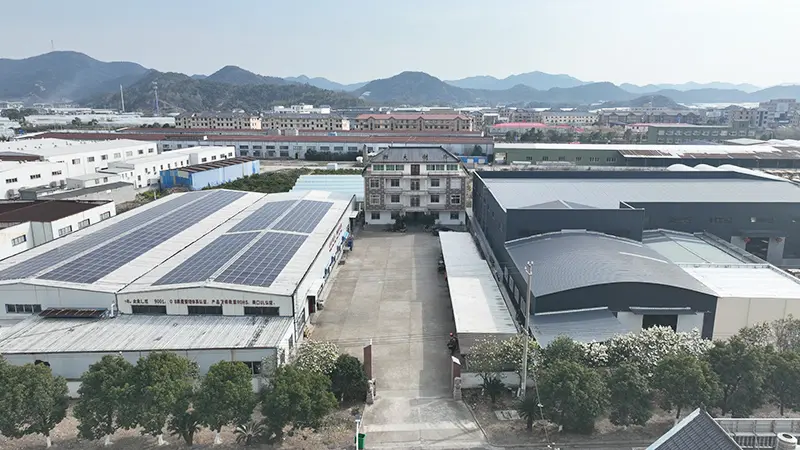
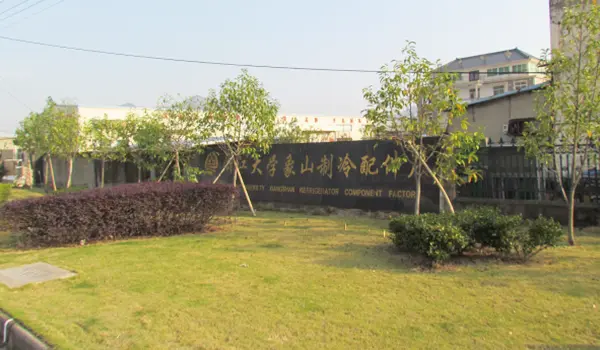
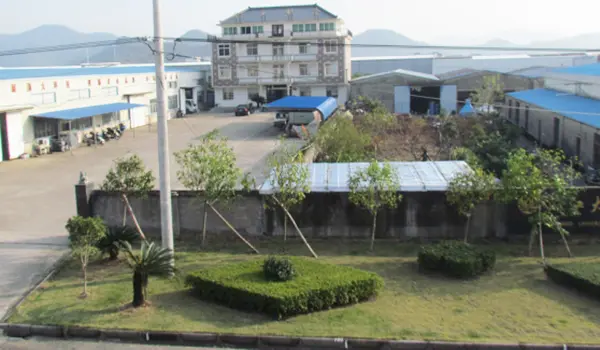
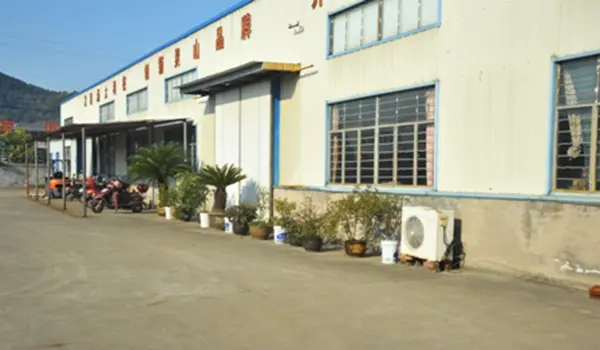
Ningbo Taojun Refrigeration Equipment Co., Ltd. is located in Xiangshan, Ningbo, a historic and economically vital industrial port city. Founded in 1988, our operational predecessor was the prestigious Xiangshan Refrigeration Accessories Factory of Zhejiang University. Today, Taojun is a modern powerhouse combining design, R&D, precision manufacturing, global logistics, and technical field support for the international cooling and heating industries.
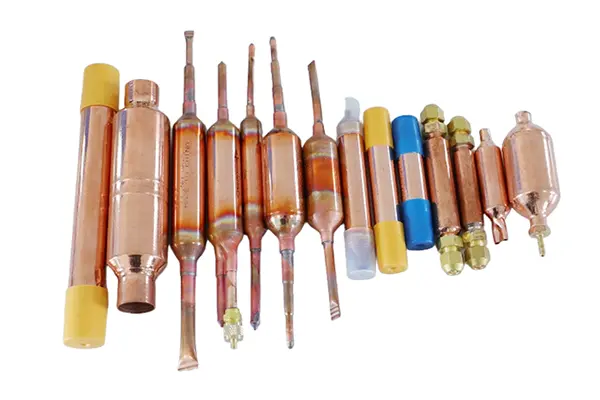
In 2021, the company was officially accredited as a National High-Tech Enterprise, acknowledging our investments in robotic production lines, spectroscopic quality verification, and academic collaboration. Under our proprietary "Lingshan" and "Taojun" brands, we manufacture high-performance filter driers, check valves, access valves, finned-tube condensers, and comprehensive copper/brass assemblies. Our components have earned the trust of premium consumer brands including Haier, Midea, Gree, Whirlpool, Electrolux, and Huarui.
Over 38 years of specialization in engineering hermetic refrigeration assemblies, copper piping systems, and filter systems.
Utilizing clean, oxygen-free copper pipelines designed for critical high-pressure and low-temperature applications, ensuring structural safety and no micro-fissure defects.
Our molecular sieve 3A core has water absorption capabilities exceeding 20%, integrated with activated carbon layers to neutralize hydrofluoric and other corrosive acids inside systems.
Every joint in our filter driers, accumulators, and stop valves is processed with robotic argon arc welding, securing hermetic seals that eliminate micro-leakage risks.
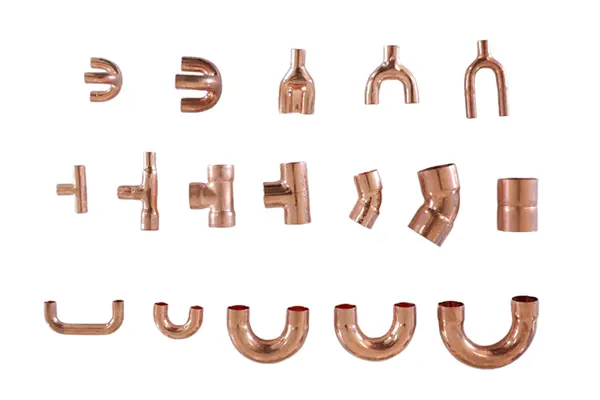
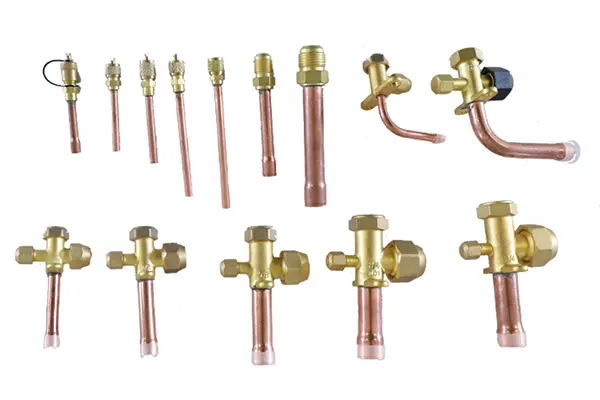
A rigorous quality control matrix combining German technology, Japanese raw materials, and strict academic expertise.
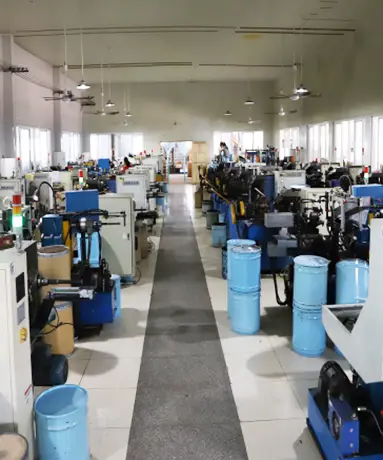
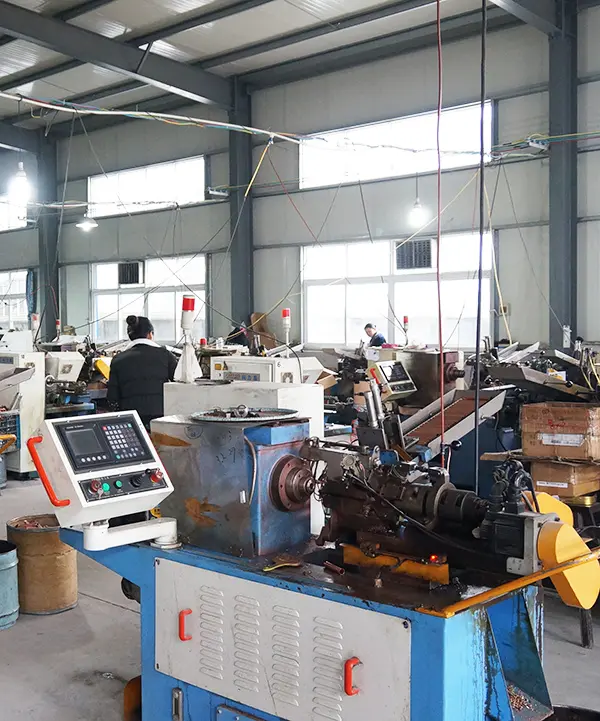
Our core production machinery is imported directly from Germany, enabling mechanical dimensional tolerances as close as ±0.02mm, ensuring repeatability across millions of units.
Our R&D center is staffed by 15 seasoned engineers, including professors and Ph.D. holders from the University of Science and Technology of China and Zhejiang University.
Liquid crystal spacer technologies and high-stability ITO film elements are imported directly from Japan, ensuring operational integrity under severe temperature swings (-35°C to 75°C).
Finished parts undergo high & low temperature testing for 500 hours, thermal shock cycling from 10°C to 90°C for 30 minutes, and 100V high-voltage breakdown checks to ensure fail-safe performance.
Flexible designs tailored for custom length, custom bend ratios, specialized copper chemical formulations, and advanced dual-layer insulation properties. Low MOQ requirements (500 units) and global express delivery.
Using MES intelligent workshop management systems, each product batch is traced from raw material melt logs to the final automated CCD visual inspection and helium leak test.
Years of HVAC/R Experience
Senior R&D Ph.D. Engineers
Exporting Countries & Regions
Maximum Industrial Defect Rate
Procuring raw copper components at scale requires cross-border compliance and unified mechanical standards. For insulated copper linesets, procurement agents must evaluate chemical composition, temper, insulation wall thickness, and vapor seal integrity. The copper itself must be Grade C12200 (DHP - Phosphorus-Deoxidized, High Residual Phosphorus) in accordance with ASTM B280 (refrigeration field service) or EN 12735-1. This ensures high ductility, resistance to hydrogen embrittlement during brazing, and uniform grain sizes (0.025 to 0.040 mm) for optimal cold-bending without wall crimping.
Additionally, local fire regulations dictate the insulation material choice. High-density polyethylene (PE) and closed-cell elastomeric rubbers must meet national classification standards, such as UL 94 (HF-1 / V-0), ASTM E84 (Class A/1 index for flame spread <25, smoke index <50), or European EN 13501-1 (B-s1, d0). Buying offices must request verified certification documentation to bypass customs holds and verify site safety compliance.
Insulated copper tubes are the primary conduits for refrigerant transport in multiple mission-critical sectors:
The lifetime of an insulated copper tube line depends directly on the metallurgical processing of the raw material and the extrusion quality of the protective polymer. Below is our engineered technical roadmap:
Step 1: Vertical Continuous Casting & Drawing: Pure cathode copper is melted under a protective atmosphere. By adding controlled phosphorus, residual oxygen levels are reduced to near zero. Drawing operations utilize multi-pass tungsten carbide dies to reduce tube walls to exact, non-eccentric specifications.
Step 2: Bright Annealing: High-speed inline heating under hydrogen/nitrogen gas removes internal stresses without causing surface oxidation. This results in soft, workable copper coils that field technicians can manipulate without specialized pipe-bending equipment.
Step 3: Insulation Extrusion and Co-polymer Bonding: The tube is fed through an automated crosshead die that extrudes a dual-layer, UV-stabilized closed-cell polyethylene foam jacket. The outer skin is embossed to resist tearing, punctures, and degradation from UV radiation and environmental elements during outdoor installation.
Taojun supports seamless distribution through global compliance networks. By aligning with EU directives like RoHS 3 (2015/863/EU) and REACH, we guarantee that no hazardous flame retardants or chemical stabilizers are present in our insulation polymers. Our factory carries verified ISO 9001:2015 quality certifications and IATF 16949 automotive parts certification.
To support global supply chains, we maintain strategic warehousing near the Port of Ningbo, facilitating flexible freight options, LCL consolidations, and customized container packaging to prevent tube deformation during marine transport.
Steadfast growth built on the pillars of Honesty, Innovation, Responsibility, and Cooperation.
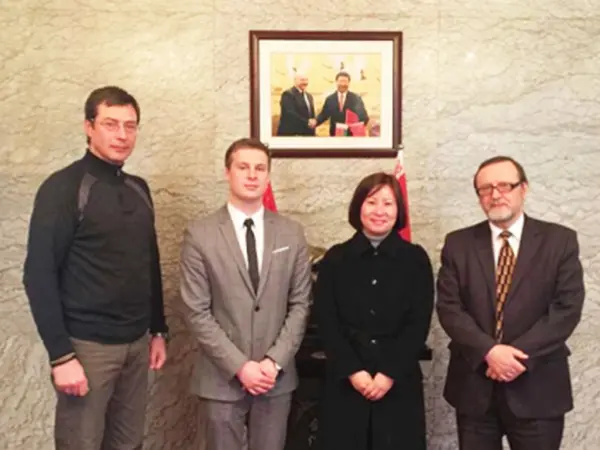
1998 — Original Factory Construction
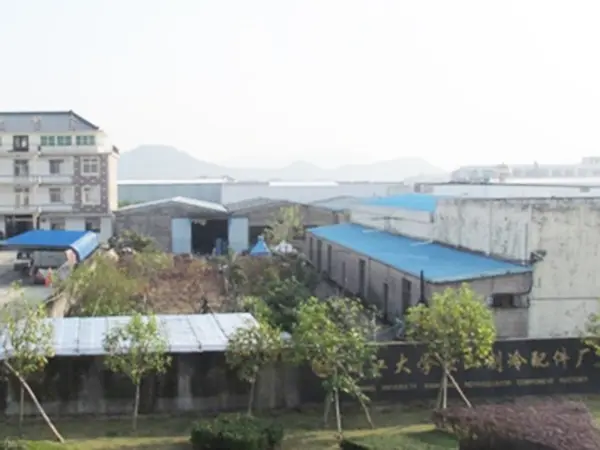
2008 — MES Intelligent Workshop Implementation
Over the decades, our group's growth has been driven by core operational standards:
Verified ISO 9001-Certified OEM/ODM Facilities for High-Performance Cooling Parts
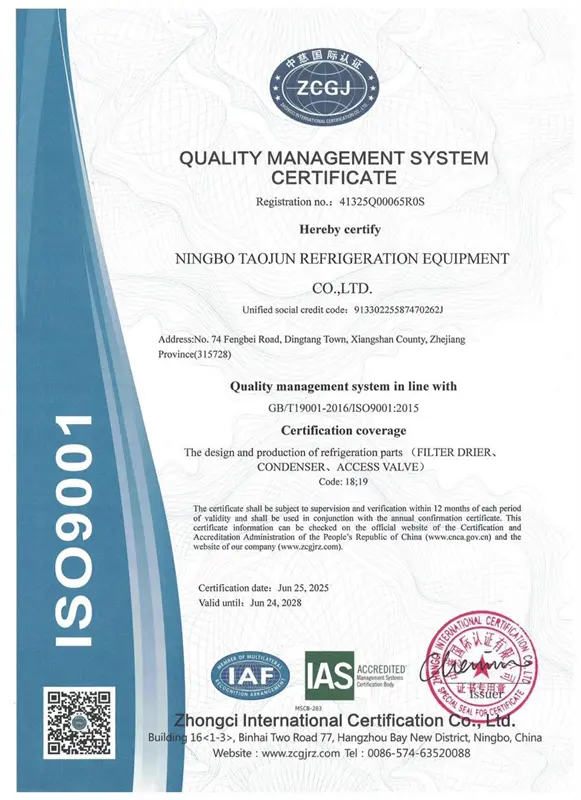
Main Certification Document
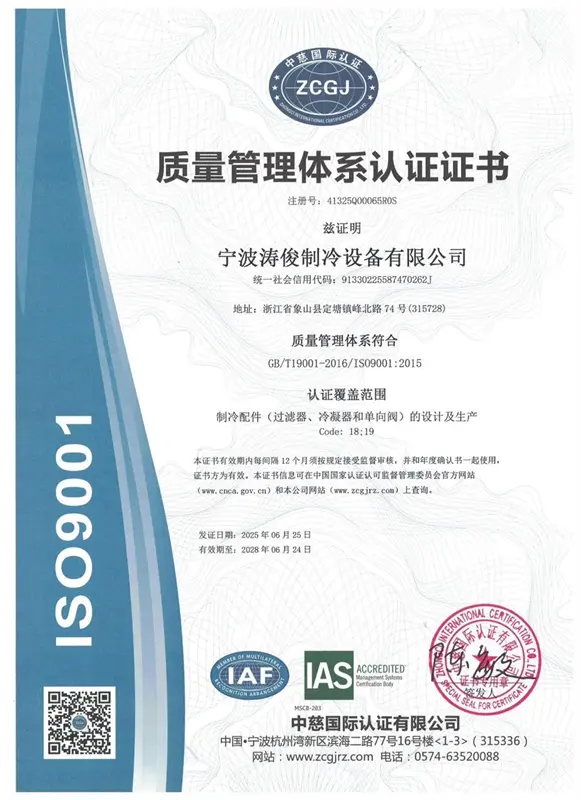
Detailed Scope of Certification (GB/T19001-2016/ISO9001:2015)
Answers to common technical, manufacturing, and shipping questions from global procurement managers.
Insulated copper tubing must meet specific pressure and chemical parameters. The standard for copper tubes is ASTM B280 (seamless copper tube for air conditioning and refrigeration service) or EN 12735-1 (domestic refrigeration and air conditioning). The insulation components must meet local fire regulations like ASTM E84, UL 94, or EN 13501-1.
Grade C12200 is phosphorus-deoxidized copper with high residual phosphorus. Deoxidization makes the copper highly weldable and resistant to hydrogen embrittlement during brazing. High ductility also allows field bending without mechanical failures or cross-sectional crimping.
Thicker insulation limits thermal conduction. Selecting the proper wall thickness (e.g., 9mm, 13mm, 19mm) relative to ambient humidity prevents condensation from reaching its dew point, reducing heat transfer into the refrigerant line and improving system efficiency.
Polyethylene (PE) foam is rigid, has low moisture permeability, and is cost-effective, often featuring an embossed protective outer skin. Elastomeric rubber is highly flexible, offers superior acoustic insulation, and handles high working temperatures, making it suitable for complex commercial installations.
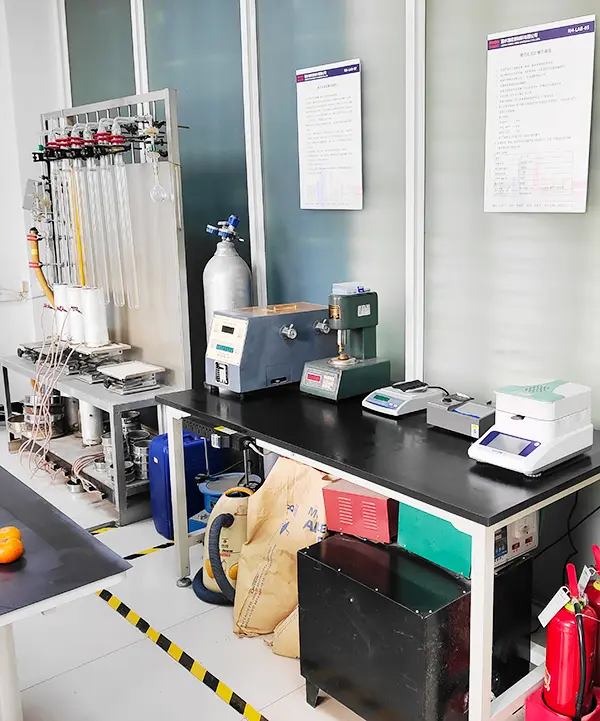
We employ advanced manufacturing steps. All filter driers and valves undergo strict helium leak testing. Under our MES trace framework, materials are checked by automated CCD visual inspection systems to identify structural issues prior to shipment.
Yes. Our polyethylene and rubber insulation layers are manufactured with UV stabilizers and co-polymer outer skins, preventing cracking, shrinking, or degradation from prolonged exposure to sunlight and harsh weather.
Yes. Taojun provides complete OEM and ODM design services. We build custom copper structures, specialized drying filters, and pre-insulated linesets with flared ends or specific connections based on customer CAD designs.
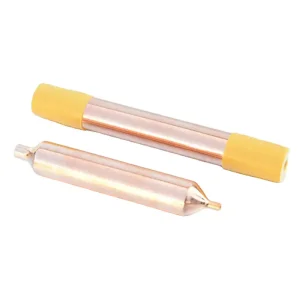
Taojun filter driers use high-purity copper shells filled with a 3A molecular sieve and activated carbon. This design traps water vapor, filters out solid particles, and neutralizes acids within the refrigeration loop, preventing damage to the compressor.
Our facility is ISO 9001:2015 and GB/T19001-2016 certified. Our components also carry EU RoHS and REACH environmental approvals, as well as UL certificates for North American distribution.
For standard products, we offer swift delivery, shipping orders within 72 hours under our local priority logistics program. All copper tubes are capped, protected, and boxed to maintain structural shape and prevent moisture infiltration during transport.
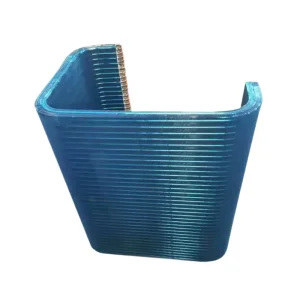
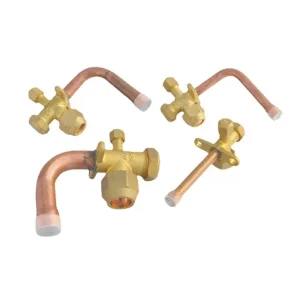
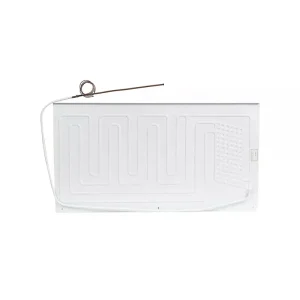
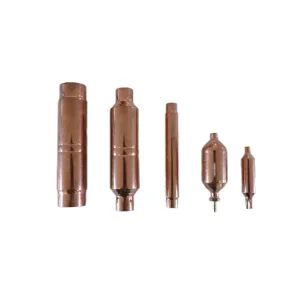
From access valves to accumulators and evaporators, our products deliver reliability and long service lives.
 Taojun