 Taojun
1 / 4
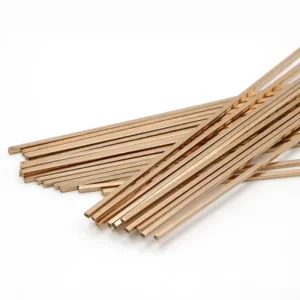
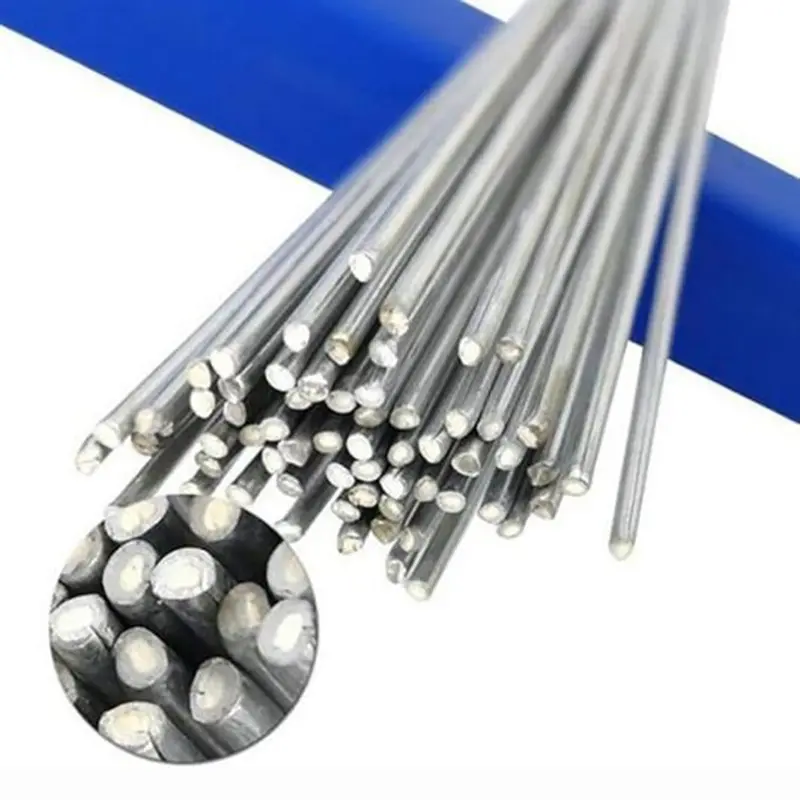
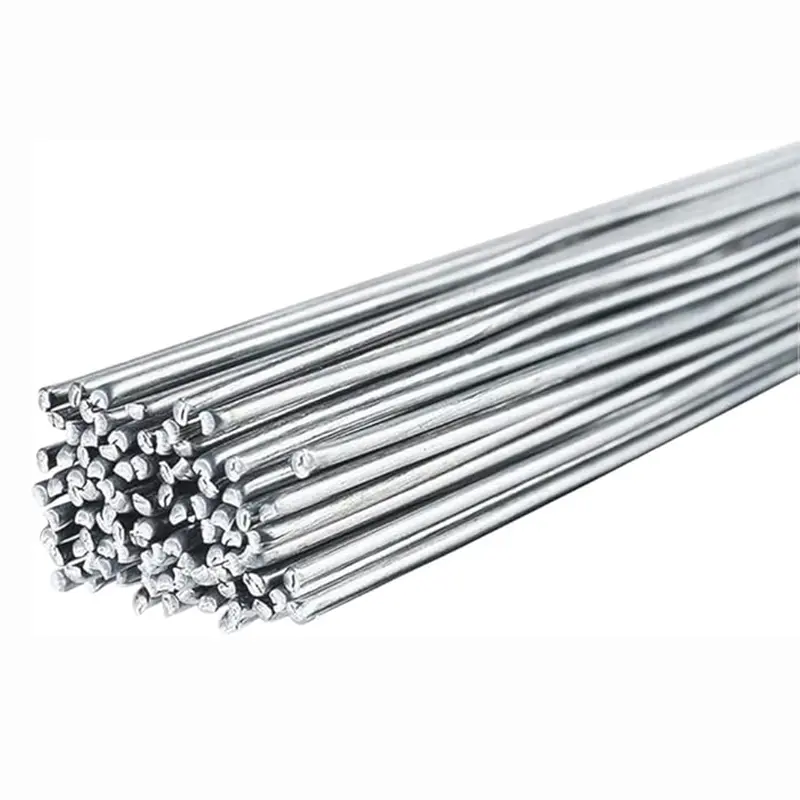
Usually aluminum (Al) is used as the matrix, and alloy elements such as silicon (Si), copper (Cu), zinc (Zn), and magnesium (Mg) are added to reduce the melting point and improve performance.
Much lower than most similar products (387℃), which can repair and manufacture a wider range of aluminum and other non-ferrous metal parts.
Around 420℃, the typical brazing alloy melting point is 500-640℃, good fluidity, strong hardness and toughness.
39,000 psi tensile strength and 60,000 - 75,000 psi compressive strength provide your repair or manufacturing every time stronger than the parent material.
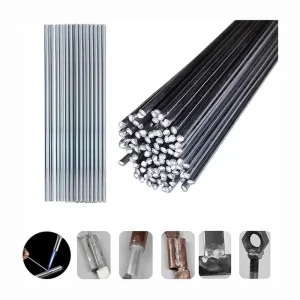
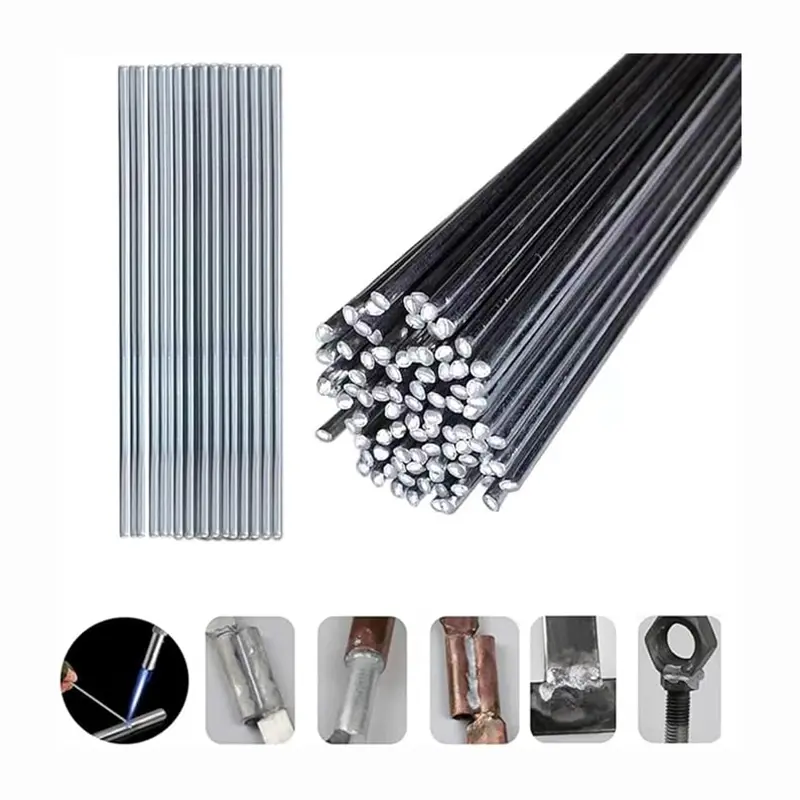
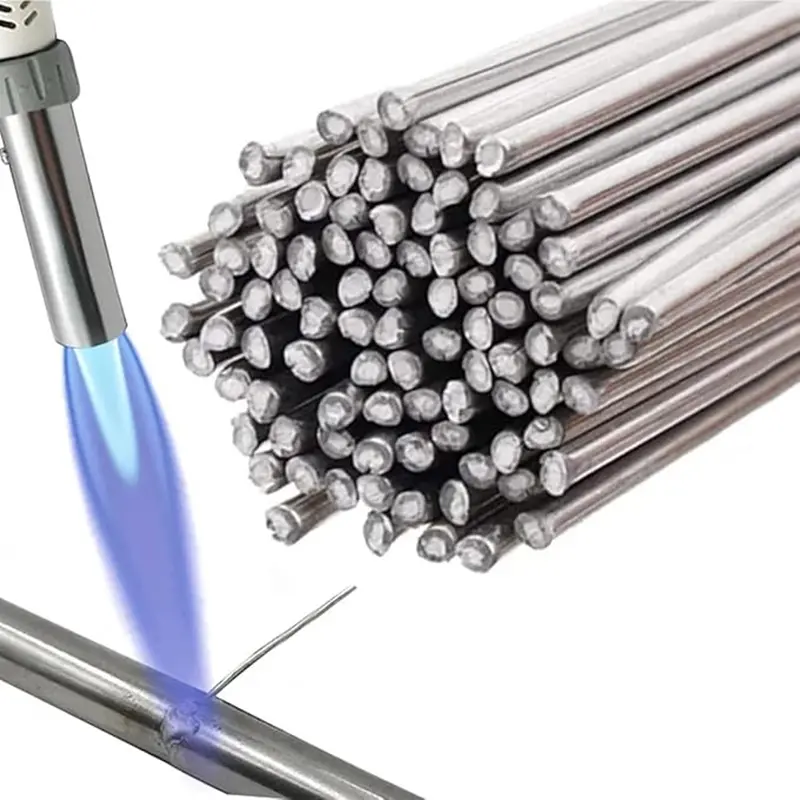
Suitable for aluminum, aluminum alloys, die casting, bronze, nickel, titanium, zinc, copper, brass and most non-ferrous metals (non-magnetic), weld quickly and easily with any handheld welding gun (Oxyacetylene, Mapp, Map/Pro or propane).
Welding of copper and aluminum wires in radiators, motors, batteries, and household appliances.
Welding of aluminum and copper tubes in condensers/evaporators in refrigerators and air conditioners.
Welding of aluminum wires and copper joints, copper bars, and aluminum foil in transformers and reactors.
Recasting and welding of aluminum parts for the second time when they are missing or worn over a large area.
| ALLOYS | AL | SI | Fe | Cu | Mn | Mg | Cr | Zn | Ti |
|---|---|---|---|---|---|---|---|---|---|
| ER1100 | 99 | Si+Fe≤0.95 | 0.05-0.2 | ≤0.05 | — | — | ≤0.10 | — | |
| E1070 | ≥99.70 | 0.20 | 0.25 | 0.04 | 0.03 | 0.03 | — | 0.04 | 0.03 |
| ER5183 | Remainder | 0.40 | 0.40 | 0.10 | 0.5-1.0 | 4.3-5.2 | 0.05-0.25 | 0.25 | 0.15 |
| ER5356 | Remainder | 0.25 | 0.40 | 0.10 | 0.05-0.2 | 4.5-5.5 | 0.05-0.20 | 0.1 | 0.06-0.2 |
| ER4043 | Remainder | 4.5-6.0 | 0.80 | 0.30 | 0.05 | 0.05 | — | 0.1 | 0.2 |
| Aluminum Brazing Alloy Size | |
|---|---|
| Diameter | 0.8mm |
| 0.9mm | |
| 1.0mm | |
| 1.2mm | |
| 1.6mm | |
| 2.0mm | |
Note: All sizes are standard, other sizes can be produced according to customer requirements.
A: The rods primarily use aluminum (Al) as the matrix. Specific alloy elements like silicon (Si), copper (Cu), zinc (Zn), and magnesium (Mg) are added to optimize performance and lower the melting point.
A: Operating at 387℃ (with a melting point around 420℃) is much lower than standard brazing alloys (500-640℃). This reduces the risk of warping or damaging the parent aluminum and non-ferrous metal parts during repair.
A: No, these rods require no flux. This makes the welding process faster, cleaner, and easier to execute with standard handheld welding torches like Oxyacetylene, Mapp, Map/Pro, or propane.
A: The joint provides a super strong bond, featuring a tensile strength of 39,000 psi and a compressive strength of 60,000 to 75,000 psi. This ensures the repaired joint is often stronger than the parent material itself.
A: Yes. While our standard sizes range from 0.8mm to 2.0mm in diameter, we can manufacture other customized sizes based on your specific project requirements.