 Taojun
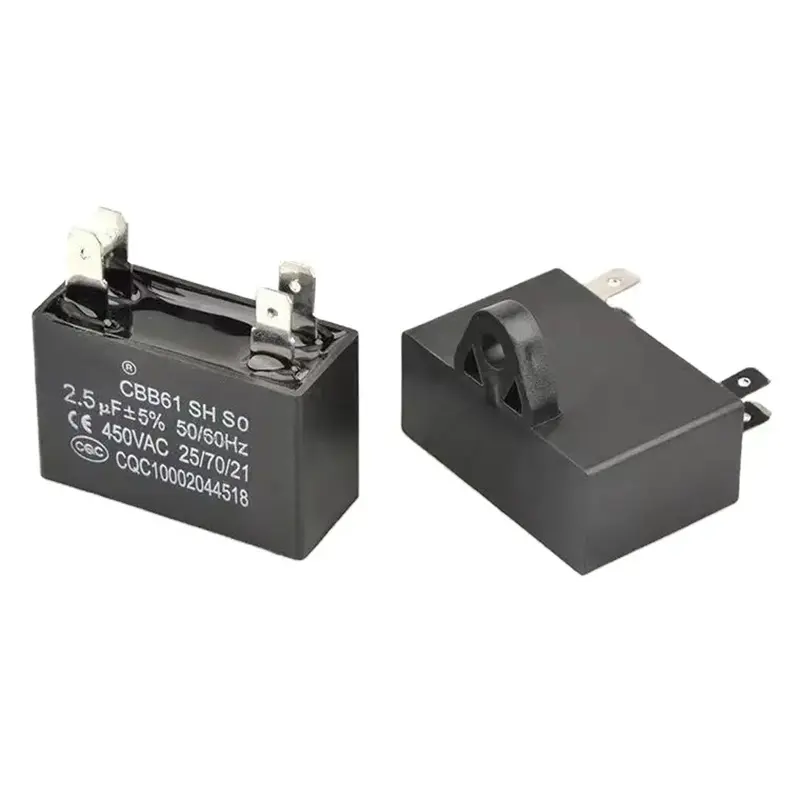
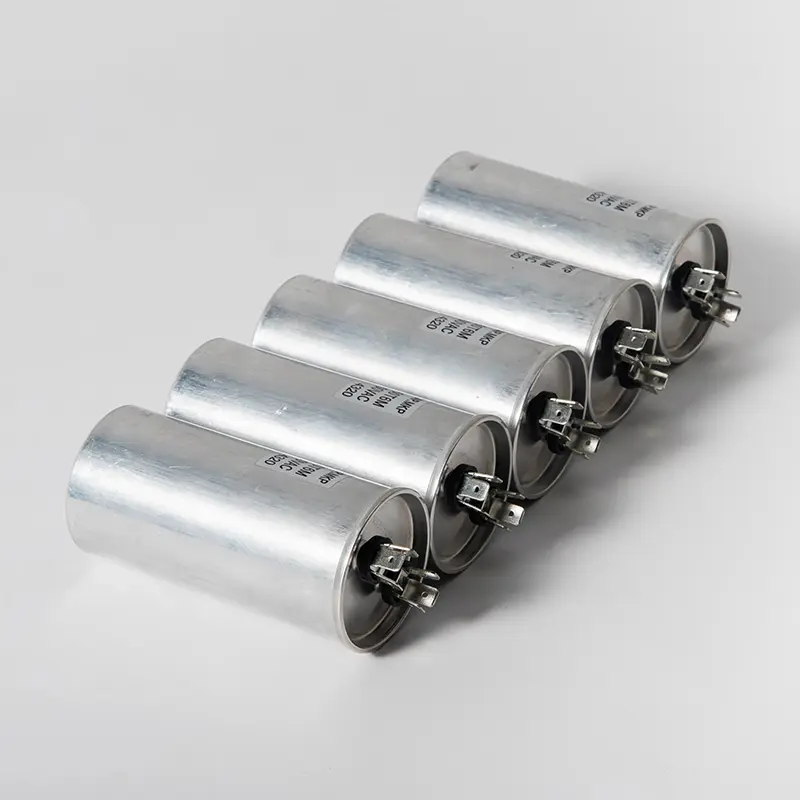
1 / 4
It has good energy storage ability and can store and release a large amount of electrical energy in a short time to meet the energy requirements of the motor during the startup and operation of the refrigeration equipment.
It can withstand the high voltage during the operation of the refrigeration equipment.
The performance parameters of the capacitor are relatively stable under different environmental conditions and working states.
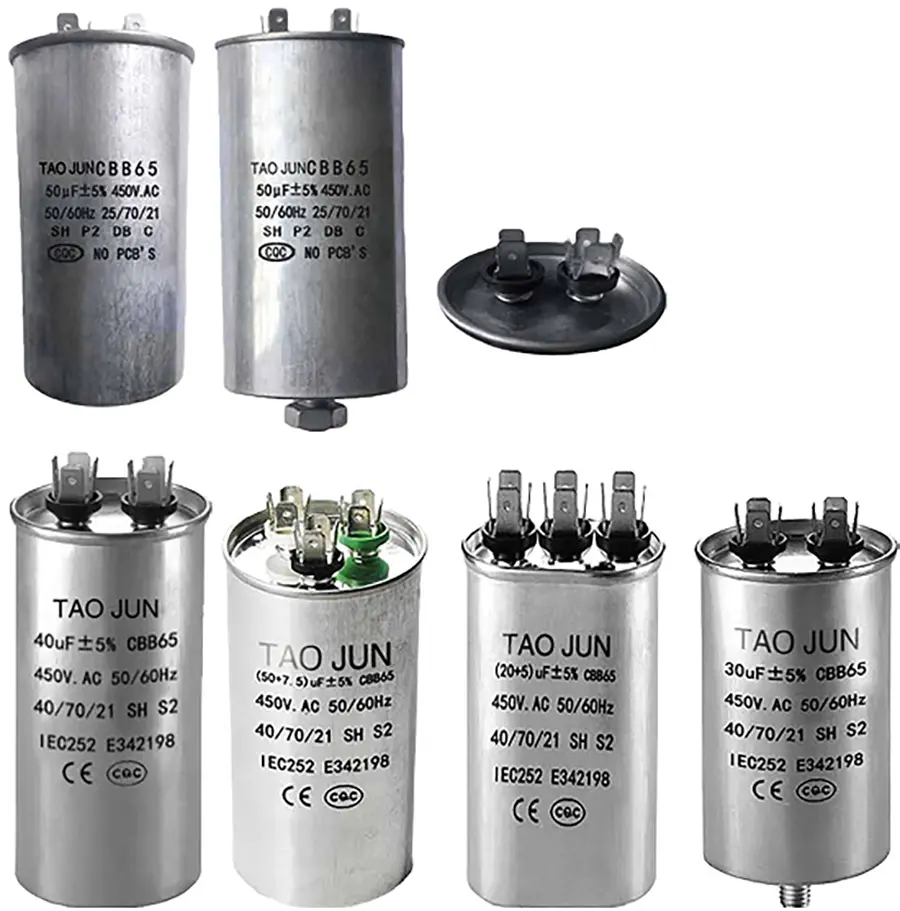
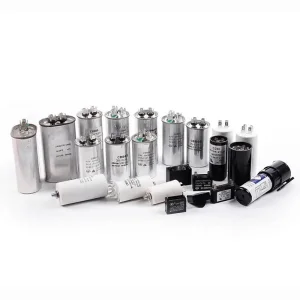
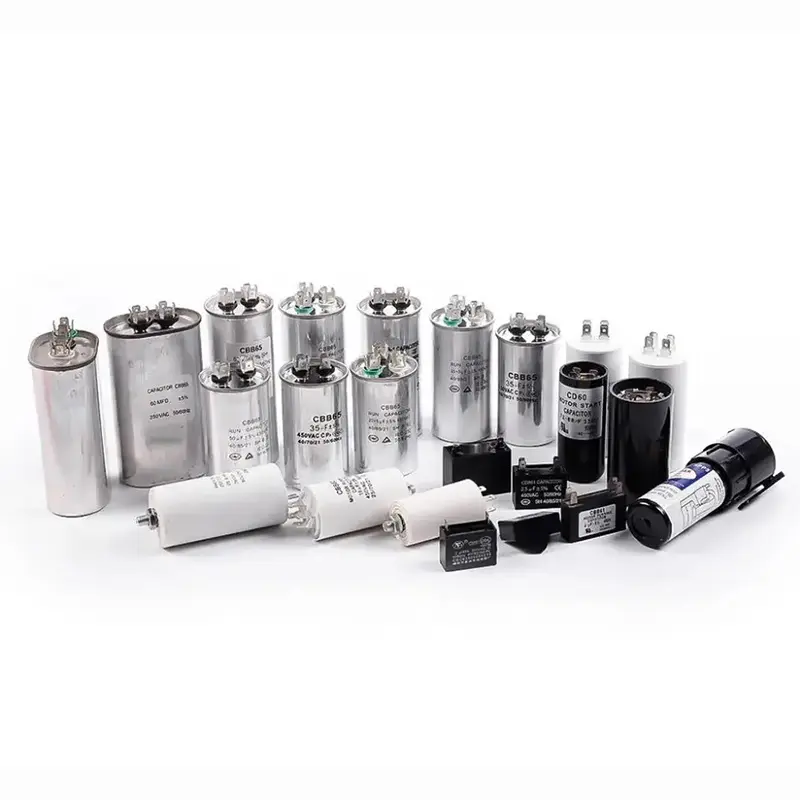
Used for starting and operating single-phase motors powered by AC power sources with frequencies of 50Hz/60Hz, such as household air conditioners, as well as power factor compensation for high-power lighting fixtures.
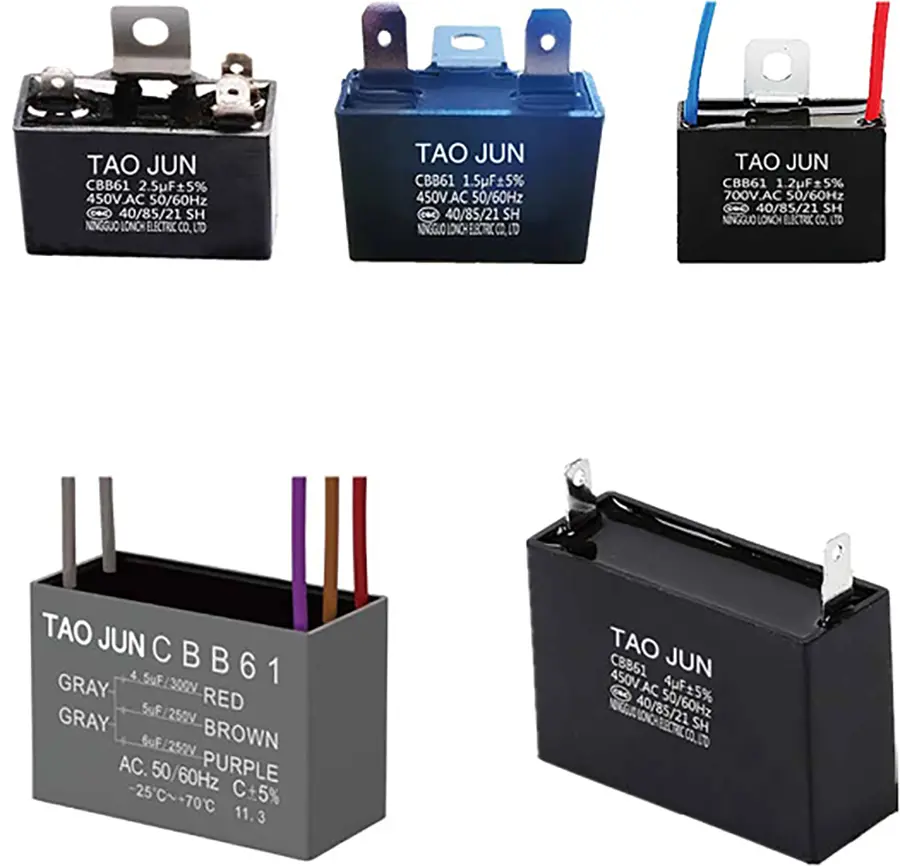
Suitable for the starting and operation of single-phase motors powered by 50Hz AC power supply, as well as machines that can regulate the speed of motors. It is an important supporting component for electric fans, range hoods, air conditioning fans, bread machines, and other devices.
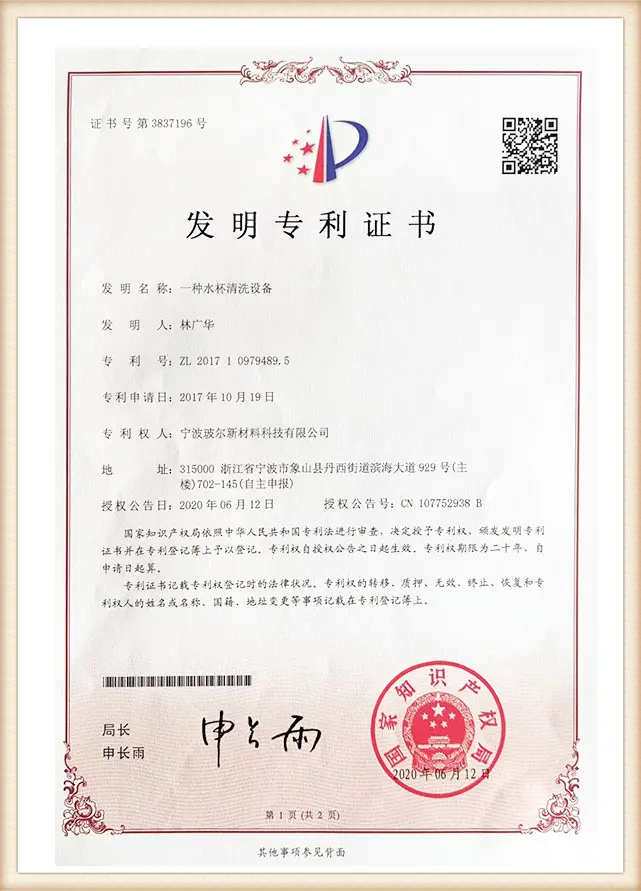
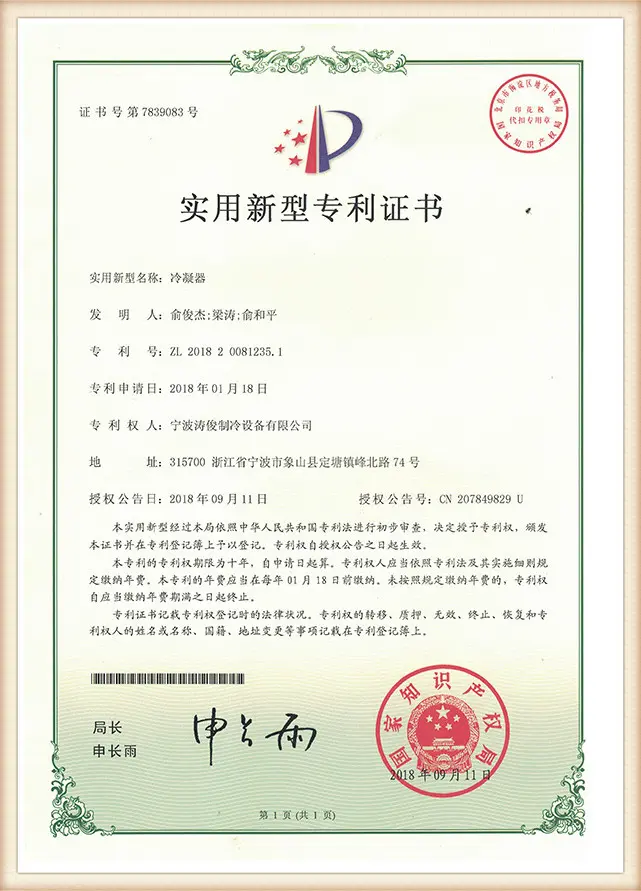
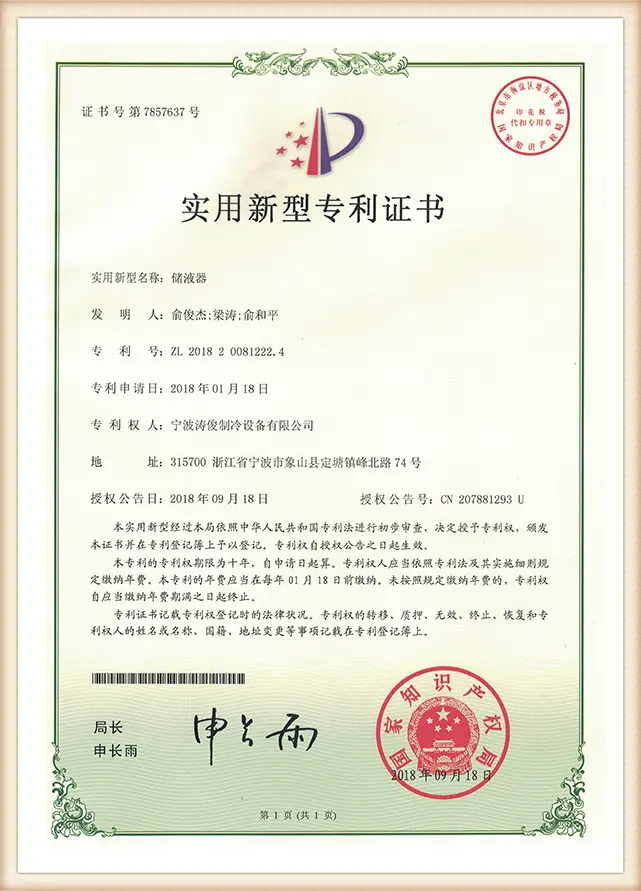
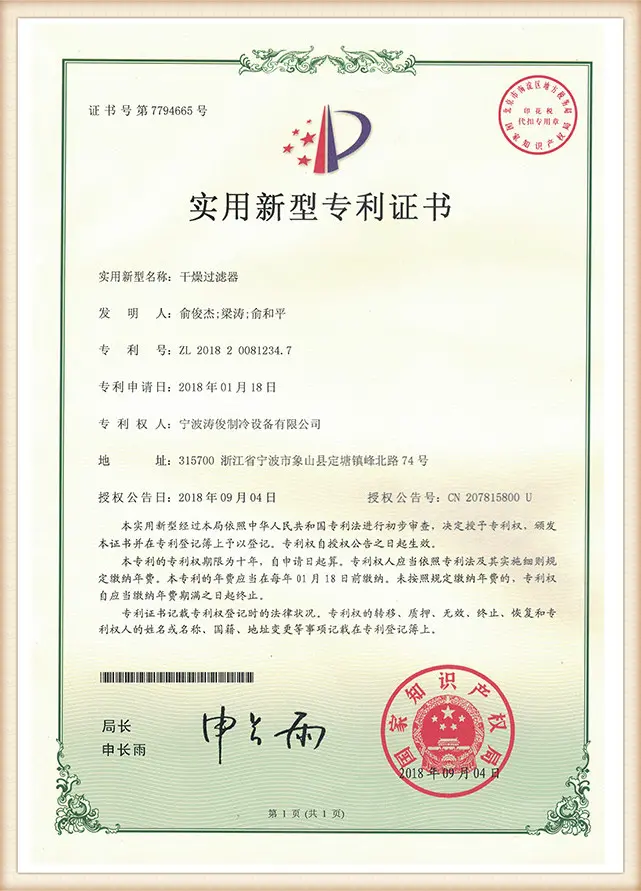

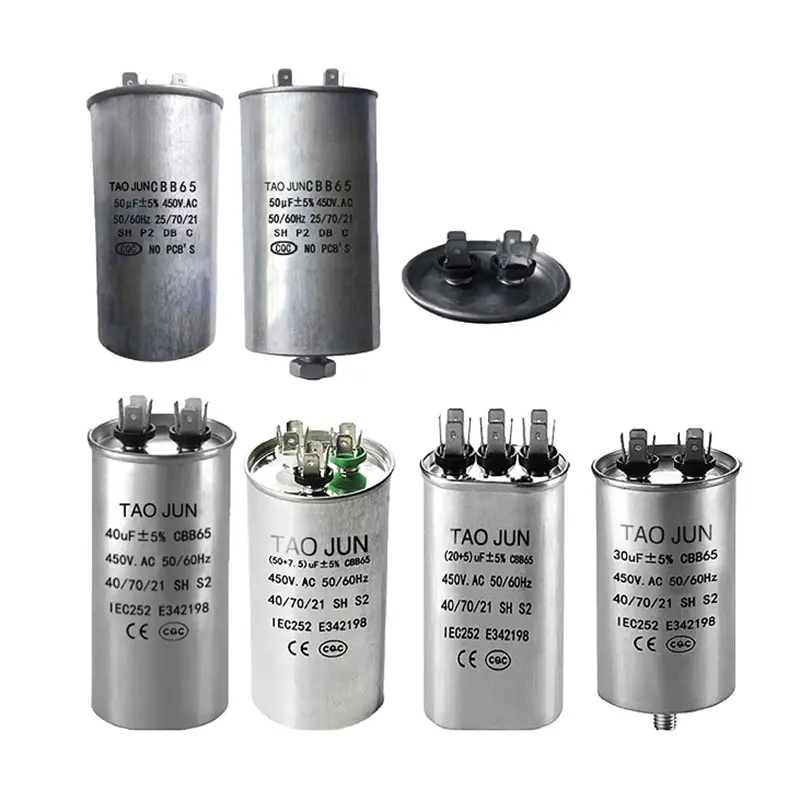
CBB65 series capacitors are commonly utilized to start and run single-phase AC motors with frequencies of 50Hz or 60Hz. They are widely applied in household air conditioning systems and as power factor compensation components for high-power lighting systems.
The CBB65 series features a larger capacity range from 3uF to 200uF, making it suitable for larger motors in air conditioners. The CBB61 series is designed with a capacity range from 0.47μF to 50μF, typically used in smaller appliances like fans and range hoods.
Both CBB65 and CBB61 capacitor series are rated to operate reliably within a wide temperature coefficient range of -40℃ to +105℃, ensuring stability in extreme industrial and outdoor climates.
These capacitors are designed to store and rapidly discharge large volumes of electrical energy. This quick release provides the necessary high torque required for starting and running refrigeration system motors efficiently.
The CBB61 capacitor series has a high voltage resistance value of 2.0Un (tested for 2 seconds), which ensures robust and safe operation under transient high-voltage conditions within motor circuits.