Home >
Hot Products >
China Low Temp Aluminum Brazing Rods from China Factory - High Quality Suppliers for Aluminum Projects Manufacturer, Factory
1 / 4
China Low Temp Aluminum Brazing Rods from China Factory - High Quality Suppliers for Aluminum Projects Manufacturer, Factory
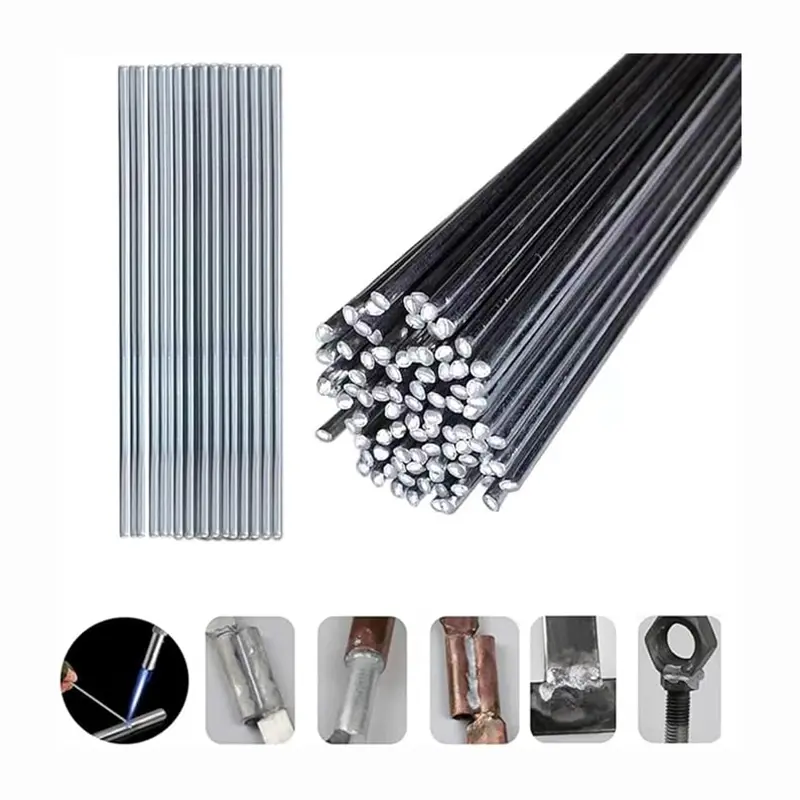
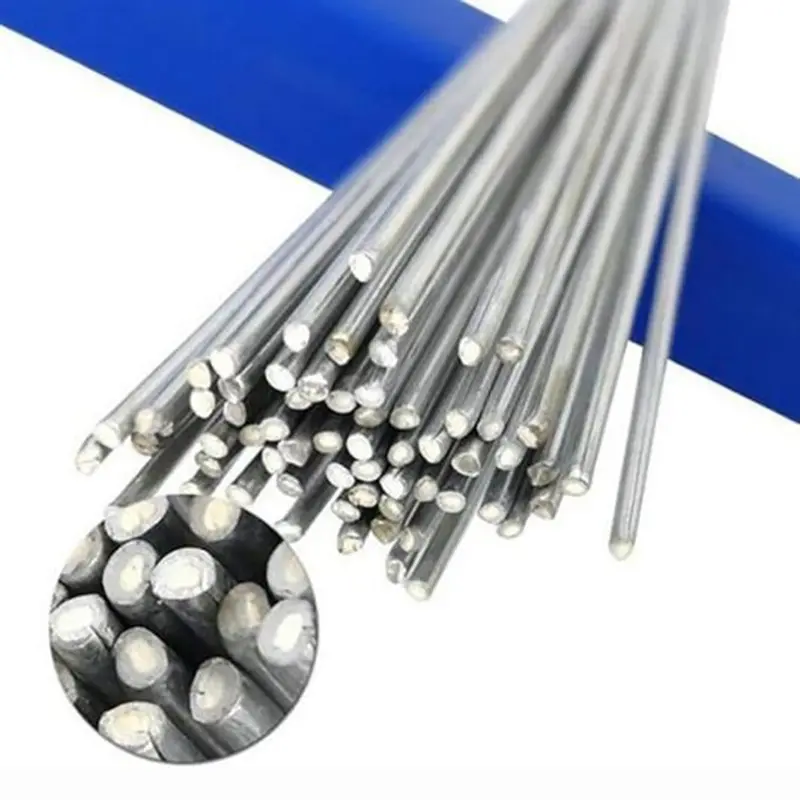
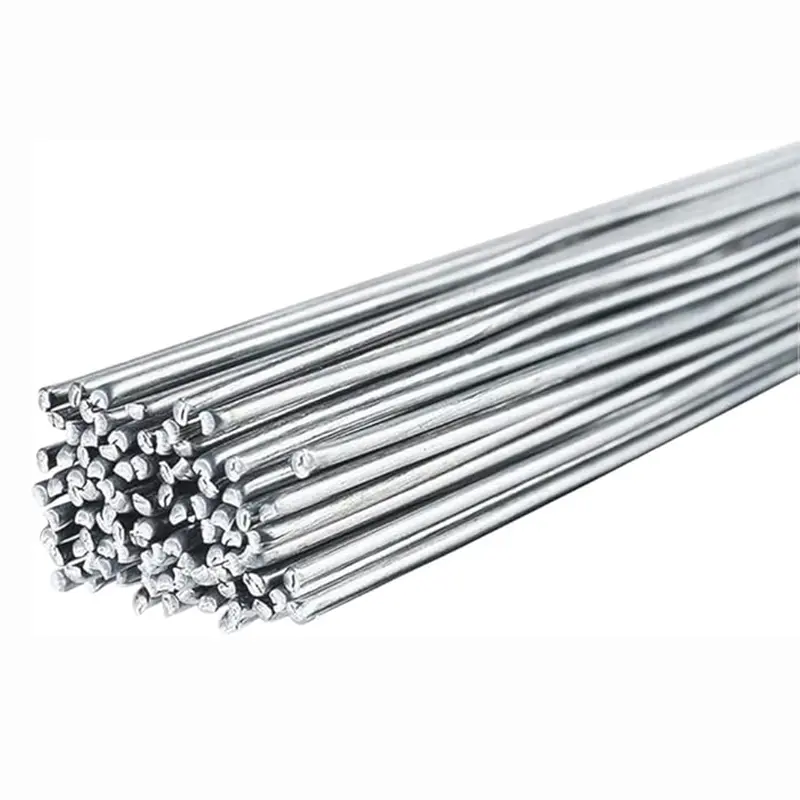
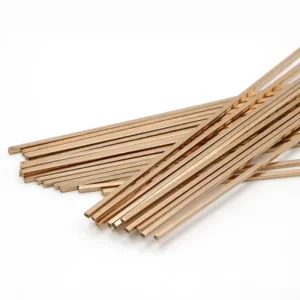
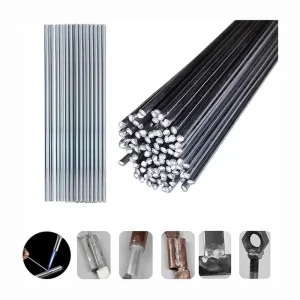
Introducing the Taijun series aluminum brazing alloys, expertly crafted by leading suppliers in China. These advanced filling materials are specifically designed for aluminum and aluminum alloy components, ensuring optimal performance across various applications. Our alloys feature a refined ratio of silicon (Si) and magnesium (Mg), resulting in a unique combination of a low melting point, high strength, and outstanding corrosion resistance. Ideal for use in automobiles, refrigeration equipment, and various industrial fields, these products offer permanent connections with exceptional air tightness and thermal conductivity. Choose our factory-provided solutions for quality aluminum brazing alloys that meet your needs
Usually aluminum (Al) is used as the matrix, and alloy elements such as silicon (Si), copper (Cu), zinc (Zn), and magnesium (Mg) are added to reduce the melting point and improve performance.
Advantages
1
Low operating temperature: much lower than most similar products (387℃), which can repair and manufacture a wider range of aluminum and other non-ferrous metal parts.
2
Low melting point: around 420℃, the typical brazing alloy melting point is 500-640℃, good fluidity, strong hardness and toughness.
3
Super strong bonding strength: 39,000 psi tensile strength and 60,000 - 75,000 psi compressive strength provide your repair or manufacturing every time stronger than the parent material.
4
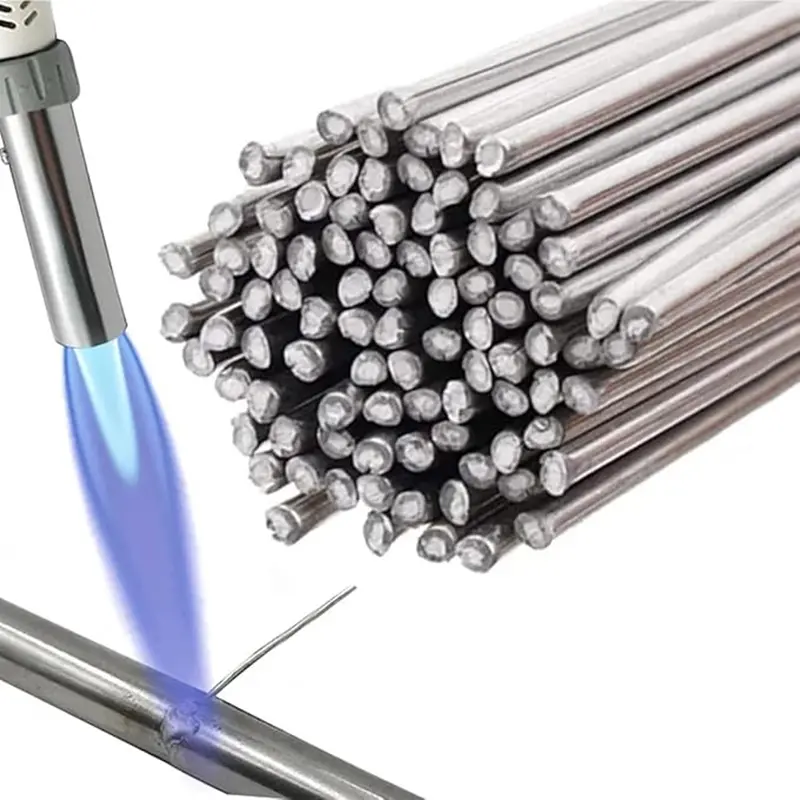
No Flux Required: Suitable for aluminum, aluminum alloys, die casting, bronze, nickel, titanium, zinc, copper, brass and most non-ferrous metals (non-magnetic), weld quickly and easily with any handheld welding gun (Oxyacetylene, Mapp, Map/Pro or propane).
Appliance
1
Welding of copper and aluminum wires in radiators, motors, batteries, and household appliances.
2
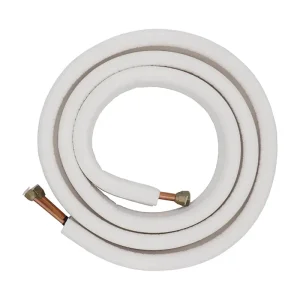
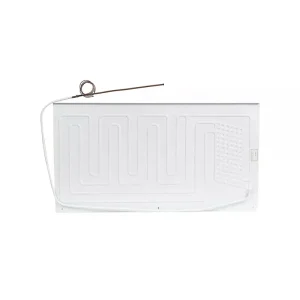
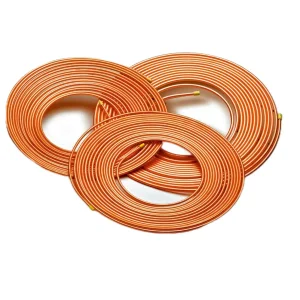
Welding of aluminum and copper tubes in condensers/evaporators in refrigerators and air conditioners.
3
Welding of aluminum wires and copper joints, copper bars, and aluminum foil in transformers and reactors.
4
Recasting and welding of aluminum parts for the second time when they are missing or worn over a large area.
Product Parameters
ALLOYS
AL
SI
Fe
Cu
Mn
Mg
Cr
Zn
Ti
ER1100
99
Si+Fe≤0.95
0.05-0.2
≤0.05
—
—
≤0.10
—
E1070
≥99.70
0.20
0.25
0.04
0.03
0.03
—
0.04
0.03
ER5183
Remainder
0.40
0.40
0.10
0.5-1.0
4.3-5.2
0.05-0.25
0.25
0.15
ER5356
Remainder
0.25
0.40
0.10
0.05-0.2
4.5-5.5
0.05-0.20
0.1
0.06-0.2
ER4043
Remainder
4.5-6.0
0.80
0.30
0.05
0.05
—
0.1
0.2
Product Size
Aluminum Brazing Alloy Size
Diameter
0.8mm
0.9mm
1.0mm
1.2mm
1.6mm
2.0mm
Note: All sizes are standard, other sizes can be produced according to customer requirements.
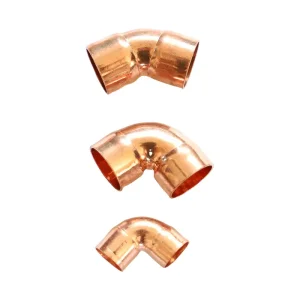
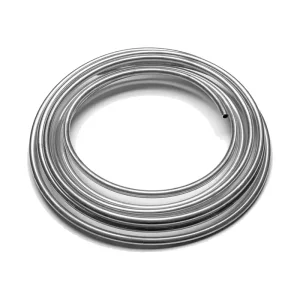
Photos
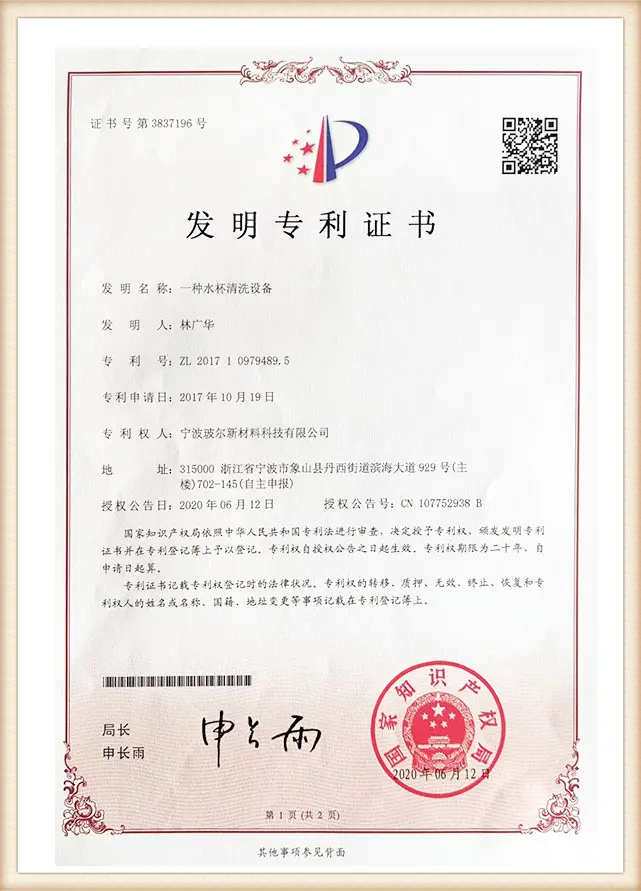
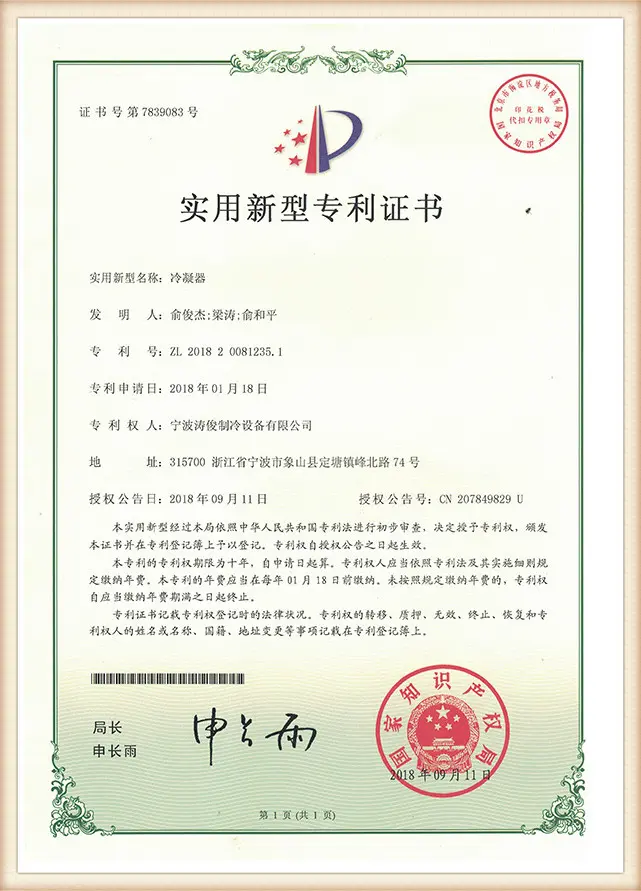
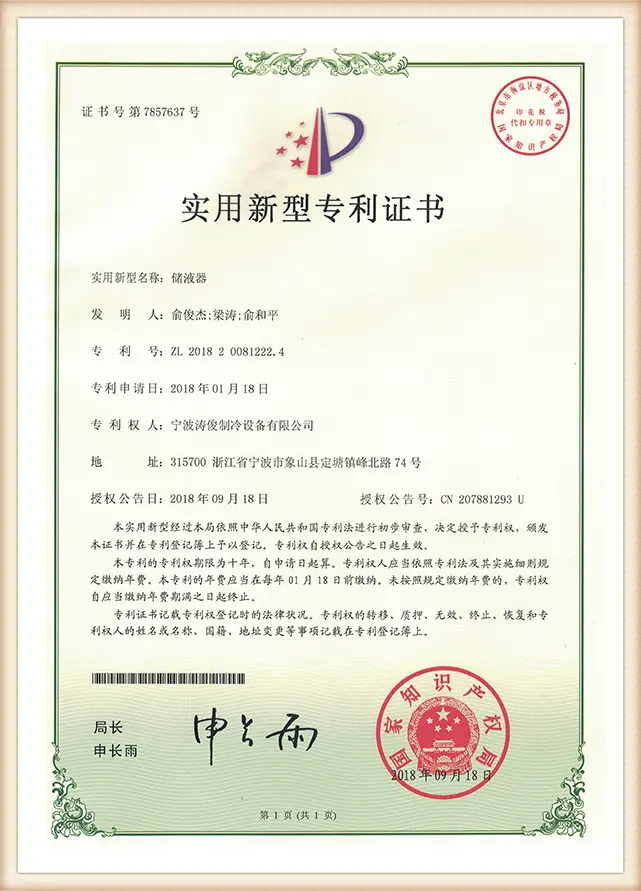
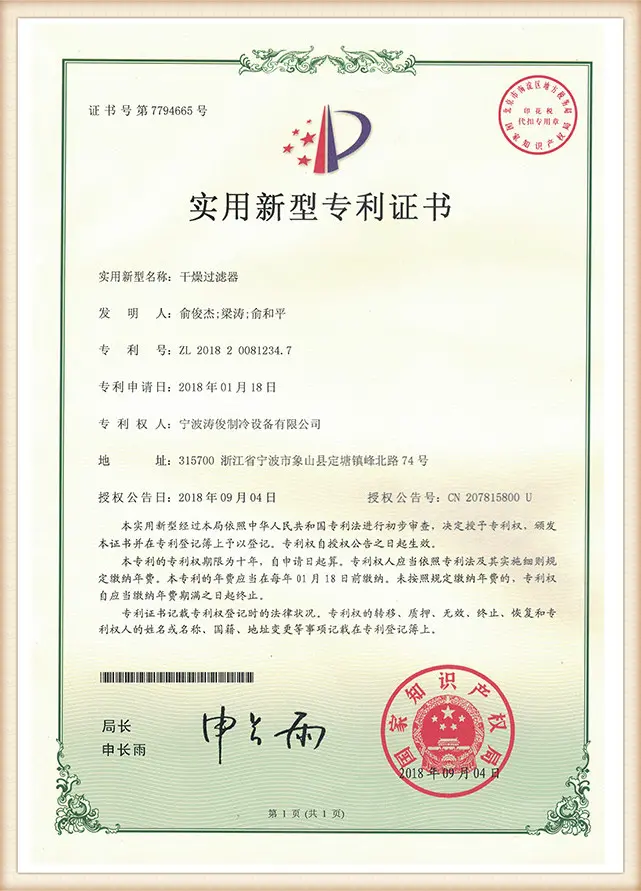
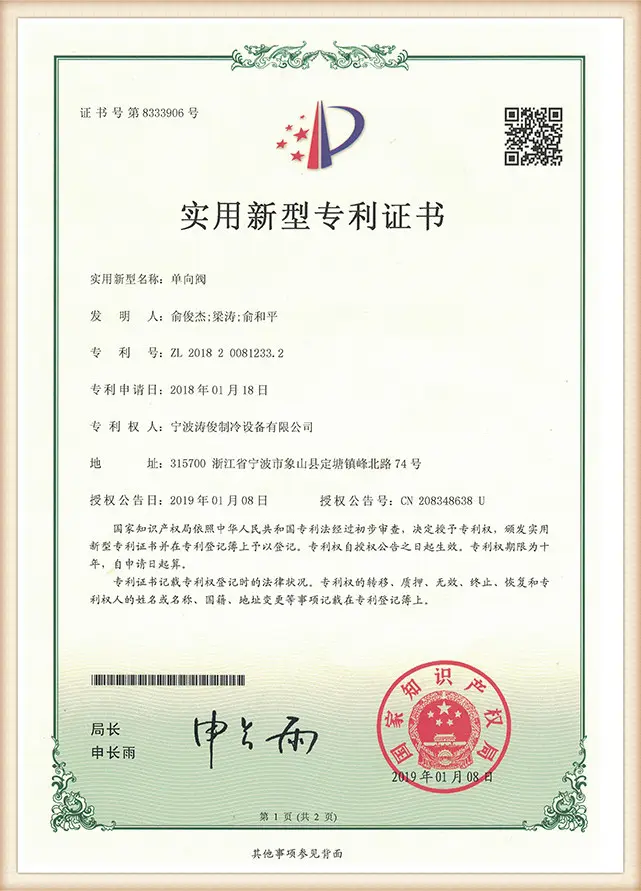
Certificates
Frequently Asked Questions
What is the operating temperature of these low-temp aluminum brazing rods?
The operating temperature is 387℃, with a melting point of around 420℃. This is significantly lower than typical brazing alloys, which usually melt at 500-640℃, allowing for safer and more versatile repairs.
Do I need to use flux with these brazing rods?
No, flux is not required for these rods. They are designed to weld quickly and easily with any standard handheld welding gun, such as Oxyacetylene, Mapp, Map/Pro, or propane.
What materials can be welded using these rods?
These rods are suitable for a wide range of non-ferrous (non-magnetic) metals, including aluminum, aluminum alloys, die casting, bronze, nickel, titanium, zinc, copper, and brass.
What are the typical applications for these brazing rods?
Common applications include welding copper and aluminum wires in radiators, motors, batteries, and appliances; welding tubes in refrigeration and air conditioning units; transformer and reactor wire connections; and recasting worn or missing aluminum parts.
What is the strength of the resulting weld?
The rods offer exceptional bonding strength with a tensile strength of 39,000 psi and a compressive strength of 60,000 to 75,000 psi. This ensures the joint or repair is stronger than the parent material itself.
What is the raw material composition of these rods?
Usually aluminum (Al) is used as the matrix, combined with alloy elements such as silicon (Si), copper (Cu), zinc (Zn), and magnesium (Mg) to lower the melting point and maximize fluidity.
 Taojun