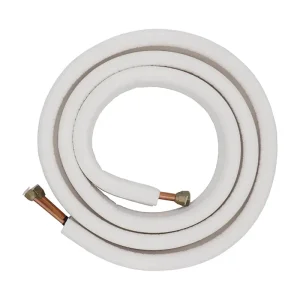
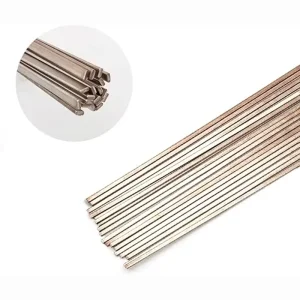
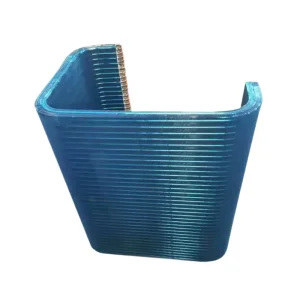
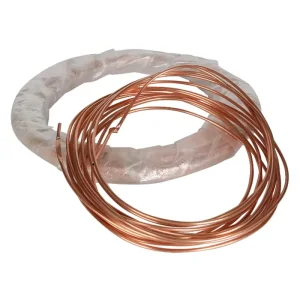
Premium OEM charging lines, insulated tubes, capacitors, and alloys certified for performance under strict local operating guidelines.
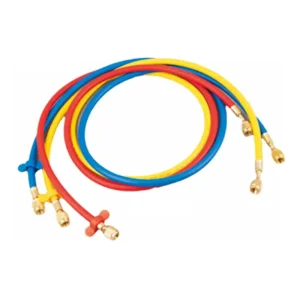
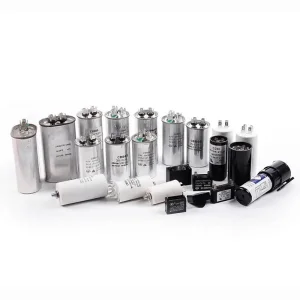
High UV exposure, power grid volatility, and strict SANS 10147 environmental compliances require highly resilient refrigerant charging tools.
South Africa's unique geographical location and industrial complexity present distinct challenges for Heating, Ventilation, Air Conditioning, and Refrigeration (HVAC&R) infrastructure. Operating within Cape Town's marine environments, Johannesburg's high altitudes, or the subtropical heat of Durban requires tools and charging hoses that do not degrade under extreme thermal and chemical stresses.
With the strict enforcement of SANS 10147 guidelines, which regulate refrigerant containment and safety, local service contractors must minimize fugitive emissions. Standard synthetic charging hoses often suffer structural failure or accelerated permeation when exposed to synthetic ester oils, harsh solar radiation, and new ozone-friendly HFC/HFO refrigerants like R32 and R410A.
Furthermore, the localized challenge of persistent load shedding causes high thermal cycles in commercial food refrigeration and cold storage hubs. Rapid recharge and maintenance operations demand diagnostic charging hoses with premium mechanical integrity, low-loss auto-shutoff valves, and high-burst security ratings of up to 4000 PSI to maintain supply chain continuity.
From university-incubated research to high-volume precision output, Taojun sets the global standard for refrigeration components.
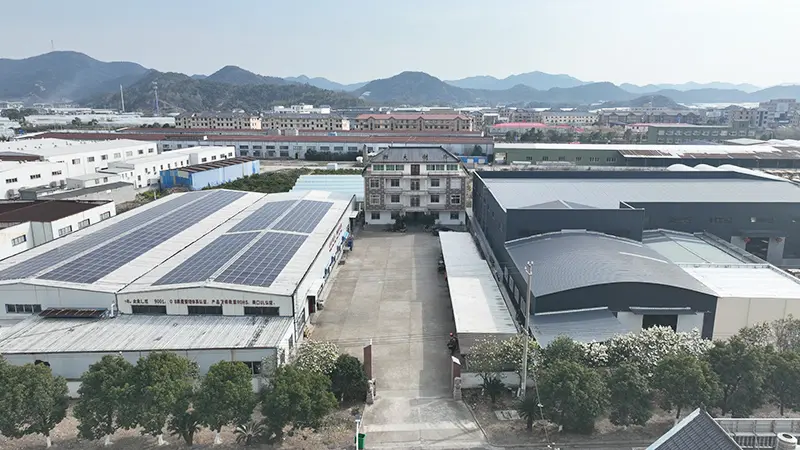
Ningbo Taojun Refrigeration Equipment Co., Ltd. is located in Xiangshan, Ningbo, China. Founded in 1988, our roots trace back to the Xiangshan Refrigeration Accessories Factory of Zhejiang University. Over the past 30 years, our team has integrated high-level academic research with robust industrial production.
Today, Taojun operates as a key developer and manufacturer of refrigeration components. In 2021, the company was recognized as a National High-Tech Enterprise, acknowledging our focus on manufacturing automation, raw material quality, and process refinement.
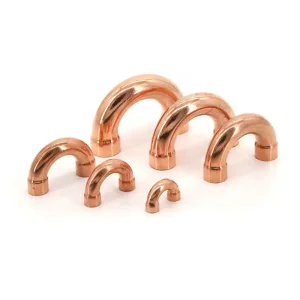
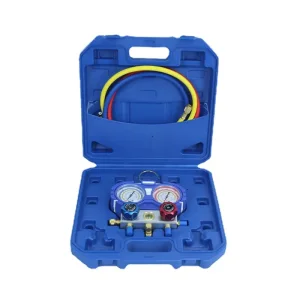
Our core product lines include copper filter driers, stop valves, industrial condensers, and high-pressure manifold charging hoses, engineered to support major home appliance manufacturers and industrial clients globally.
Why mechanical design determines structural lifespan in high-pressure refrigeration environments.
Our charging hoses feature a structured multi-layer architecture. A low-permeation inner nylon core prevents refrigerant migration, wrapped in a high-density polyester braided reinforcement layer that supports working pressures up to 800 PSI and burst limits exceeding 4000 PSI.
Constructed with high-purity forged brass couplers, our charging hose connectors offer durability at critical stress points. Integrated heavy-duty rubber gaskets resist aggressive synthetic oils, ensuring leak-free connections during high-velocity charging.
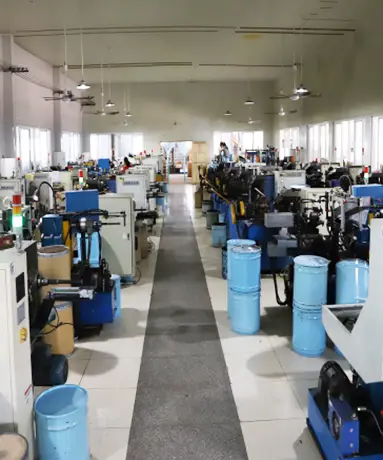
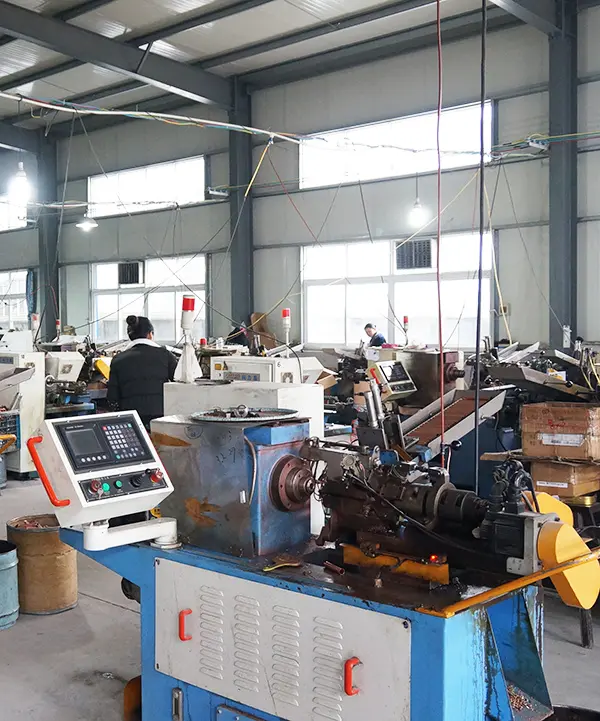
Our production floor relies on automated extrusion equipment sourced from Germany. In addition, critical raw components, including low-shrinkage polymer membranes and high-temperature synthetic elastomers, are imported to maintain stable manufacturing tolerances within ±0.02 mm.
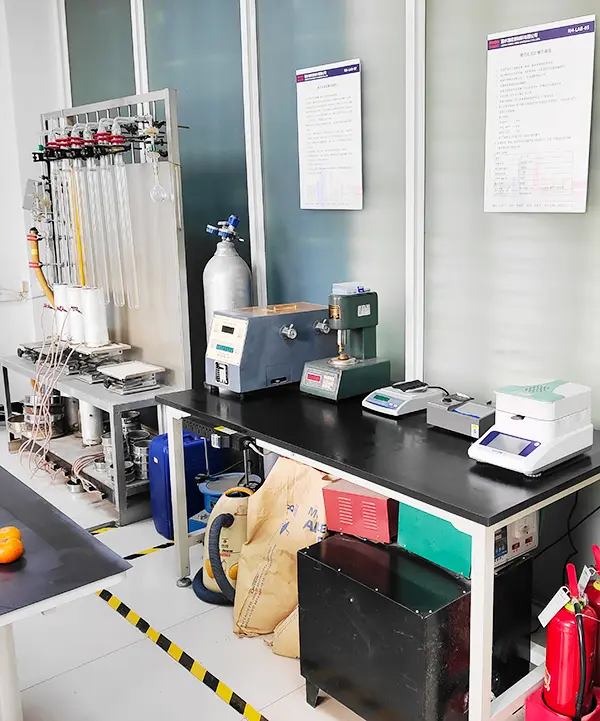
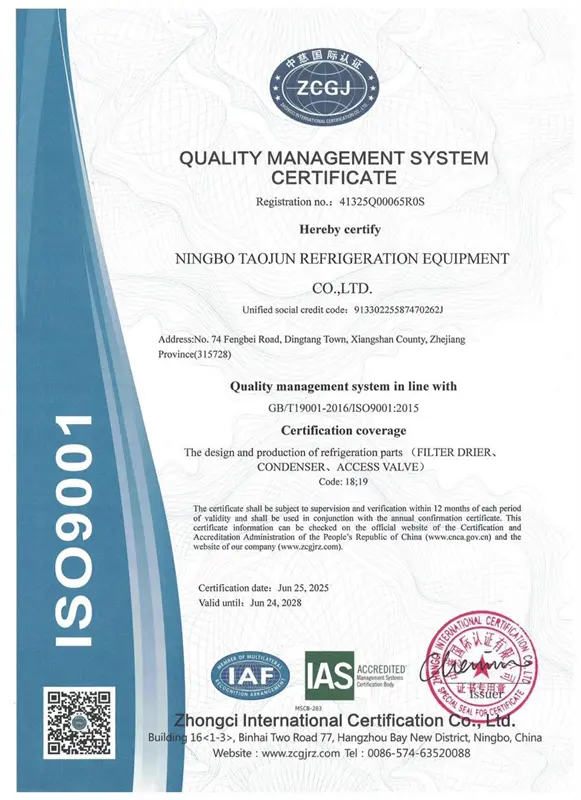
Every batch of charging hoses and refrigeration components produced in our ISO 9001:2015 certified facility undergoes systematic quality verification:
This focus on quality has helped Taojun establish long-term supply partnerships with global brands, including Haier, Midea, Gree, Whirlpool, and Electrolux.
How our heavy-duty products operate across mining, agriculture, and urban infrastructure.
Gold and platinum mines in Gauteng and the Free State require reliable refrigeration infrastructure at depth. High-pressure charging hoses and vibration-resistant brass couplings ensure continuous cooling system performance under heavy vibration.
The agricultural export terminals in Durban, Cape Town, and Port Elizabeth rely on consistent cold storage temperatures. Our copper filter driers and safety valves prevent moisture infiltration, helping maintain cooling efficiency during seasonal peaks.
Corporate developments in Sandton and Pretoria rely on VRF and chillers running on high-pressure refrigerants. Taojun's charging hoses and manifold components provide technicians with the durability needed to complete charging cycles efficiently.
A full range of refrigeration components, valves, and manufacturing supplies for global procurement teams.
A data-backed guide for sourcing high-volume refrigeration components from China factories.
Under the Kigali Amendment, global markets are phasing down hydrofluorocarbons (HFCs) with high Global Warming Potential. South Africa is aligning its regulations to match. This transition means systems are shifting toward R32, R290, and synthetic HFO blends.
These modern refrigerants operate under high pressure and temperature profiles, requiring hoses with improved chemical resistance. Traditional rubbers degrade when exposed to R32, causing small leaks. Taojun's internal multi-layer barrier design is structured to minimize permeation, keeping charging systems compliant with international ISO 13971 standards.
Eastern China, particularly the Ningbo industrial corridor, benefits from an integrated supply chain that supports cost-efficient manufacturing. Taojun utilizes these local logistical advantages to keep production costs competitive.
By processing high-purity copper cathodes and engineering custom rubber formulas in-house, we control raw material quality from the initial phase. Our factory coordinates production using an integrated MES workshop manager, allowing us to manage lead times, handle high-volume custom production runs, and ship global orders within 72 hours.
Coastal regions in South Africa present unique environmental challenges. Salt-spray exposure accelerates galvanic corrosion on zinc-plated hose connections and valves. To prevent this, Taojun uses high-grade passivated brass fittings on all charging lines.
Additionally, high solar UV indexes degrade rubber jacket covers, leading to surface cracking. Our outer protective hoses are manufactured with EPDM synthetic elastomers, which offer resistance to solar degradation and ozone exposure, extending service life in outdoor conditions.
Technical answers to common engineering, procurement, and installation questions.
Discuss your high-pressure hose specifications, bulk ordering requirements, or custom OEM designs with our engineering team today.
 Taojun