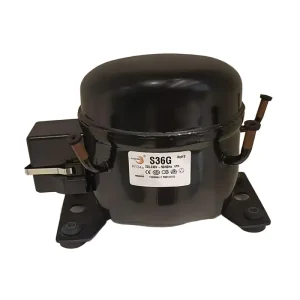
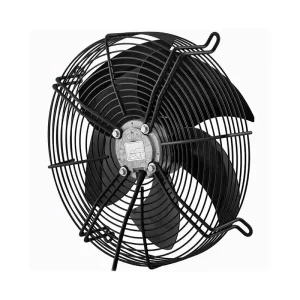
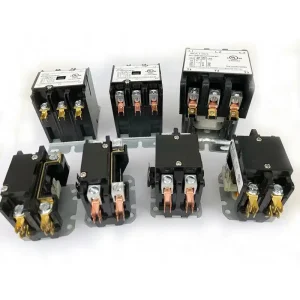
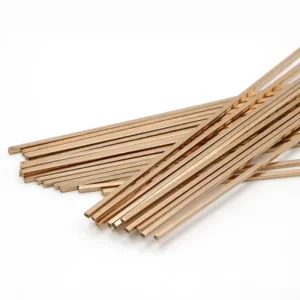
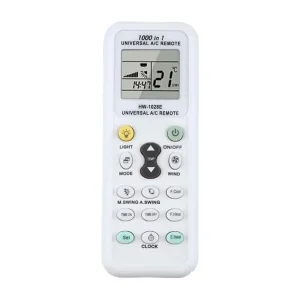
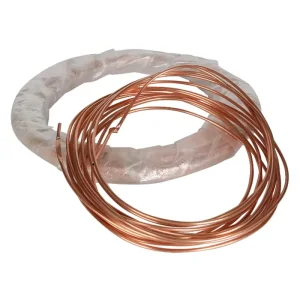
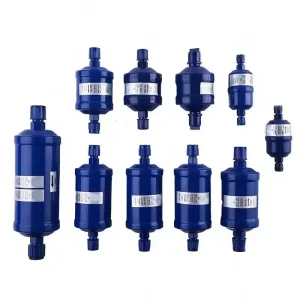
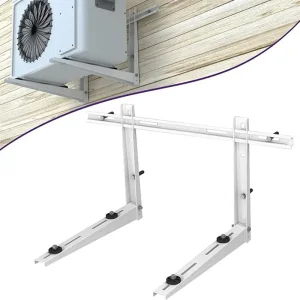
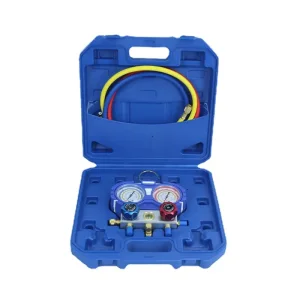
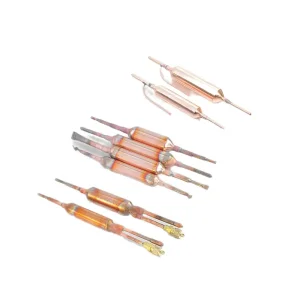
High-precision manufactured products built to secure compressor lifetime and maximize system performance.
In modern refrigeration and air conditioning systems, contaminant control is paramount to ensuring thermal efficiency and compressor durability. Modern low-GWP (Global Warming Potential) and natural refrigerants, combined with highly hydroscopic synthetic lubricants like Polyolester (POE) and Polyvinyl Ether (PVE) oils, demand absolute elimination of moisture and acid. HVAC drier filters act as the primary defense mechanism against system degradation, chemical wear, and copper plating.
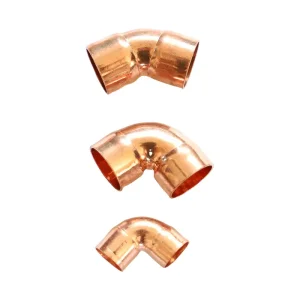
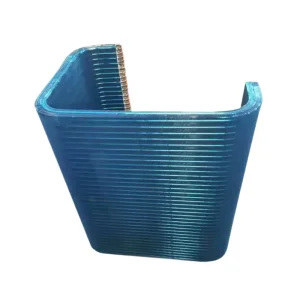
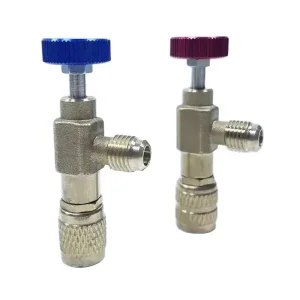
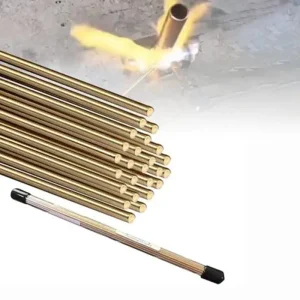
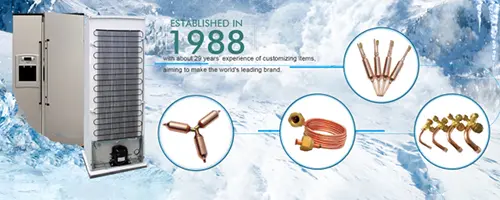
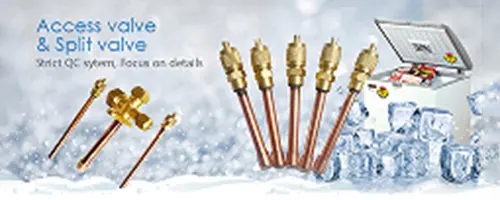
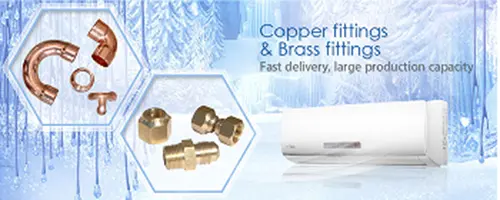
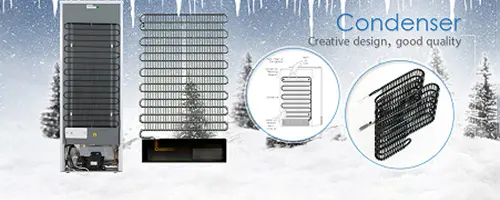
Founded in 1988, our company originated as the Xiangshan Refrigeration Accessories Factory of Zhejiang University. Situated in Xiangshan, Ningbo, we have scaled our enterprise over more than three decades into a nationally recognized High-Tech Enterprise (certified in 2021). Our core product portfolio includes: molecular sieve filter driers, check valves, air conditioning valves, condensers, brass and copper accessories, and heavy-duty PVC cable ties. Under our renowned brand "Lingshan", we provide custom refrigeration solutions to the world’s leading appliance brands including Haier, Xinfei, Midea, Gree, Whirlpool, Electrolux, and Huarui.
Our copper filter driers are designed to absorb moisture, neutralize soluble organic acids, and filter solid contaminants from liquid lines.
Watch our operational dynamics and structural evolution from a regional developer to a global high-tech leader.
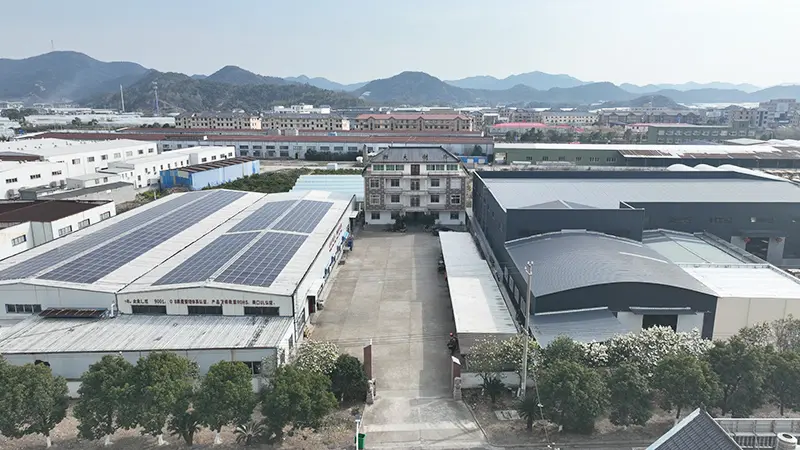
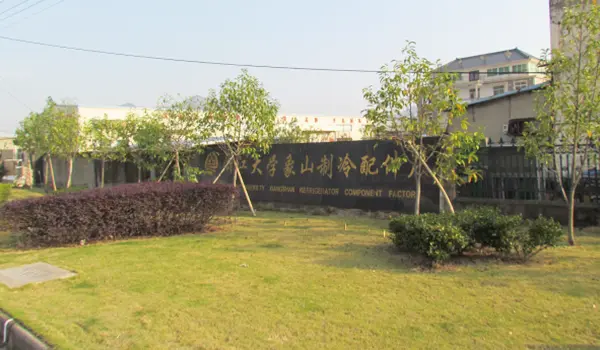
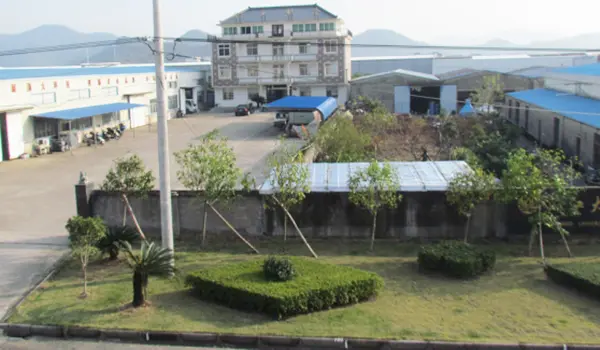
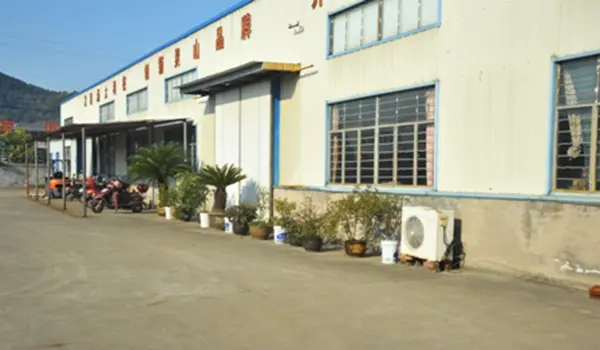
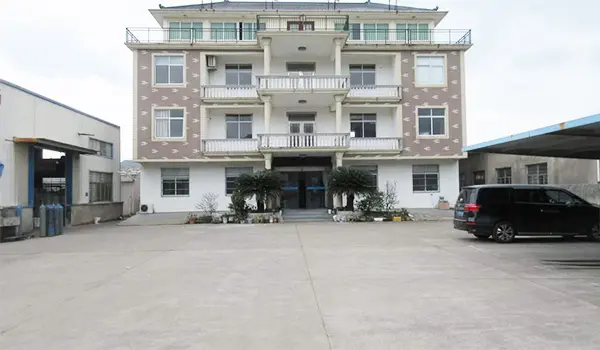
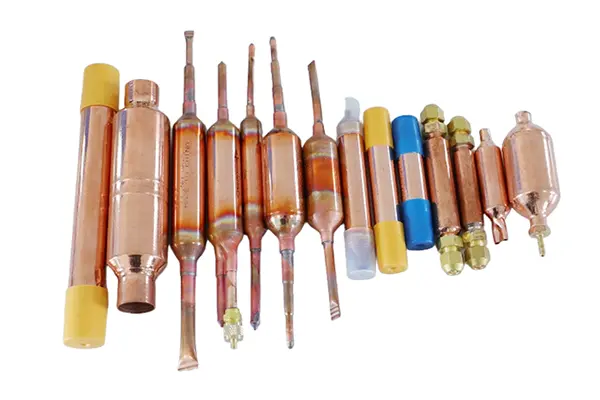
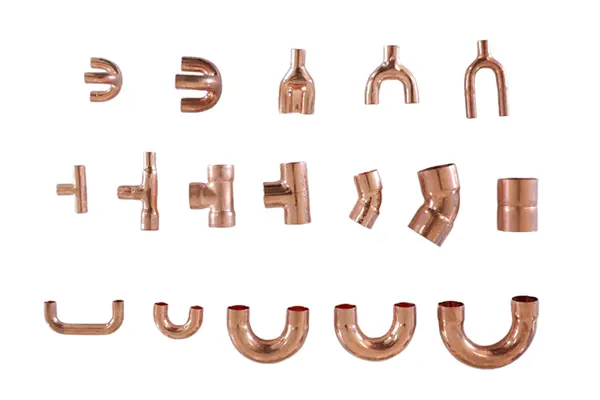
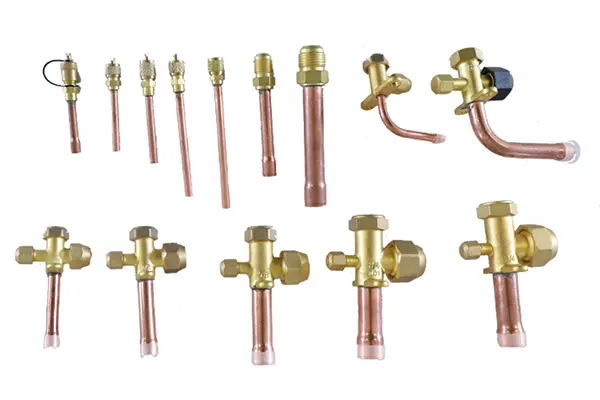
Decades of technological evolution and continuous innovation in refrigeration components.
Why top-tier appliance manufacturers rely on Taojun for industrial supply chain security.
Strict quality assurance protocols under registration No. 41325Q00065R0S. All materials conform to EU RoHS, REACH, and WEEE environmental frameworks.
Supported by engineers and academic professionals from the University of Science and Technology of China and Zhejiang University, yielding advanced patent integration.
Core manufacturing lines imported from Germany. Fully equipped with CCD visual inspection systems, helium mass spectrometer leak detection, and automated assembly systems.
Situated in Ningbo, Zhejiang, adjacent to key global shipping ports. Direct localized sourcing of raw copper and molecular sieves yields optimized pricing structures and low lead times.
Finished driers undergo high and low temperature cyclic testing (-35°C to 75°C for 500 hours), thermal shock testing (10°C to 90°C), and 100V high-voltage insulation tests for active components.
Custom tube diameters, inlet/outlet configurations (solder or flare), and screen densities are tailored to customer blueprints. Support 500-unit starting MOQs and flexible global delivery logistics.
Verified and traceable quality standards to ensure cross-border regulatory compliance.
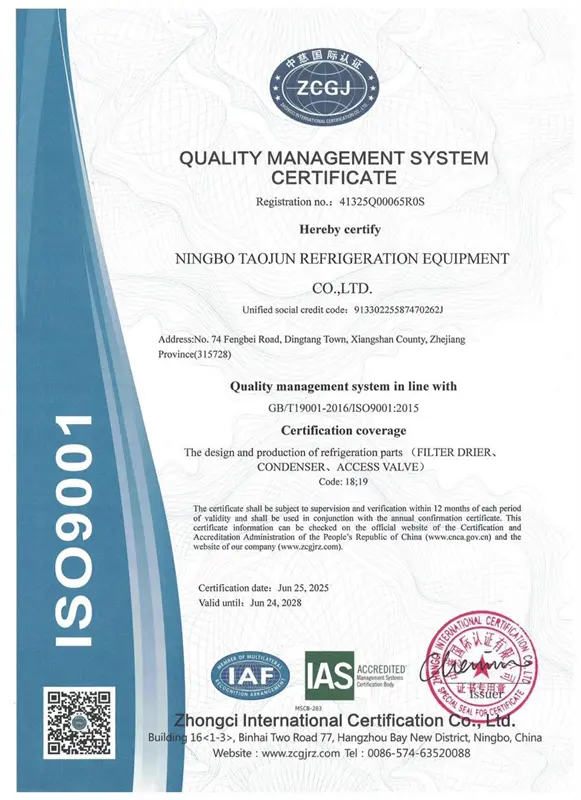
Main ISO 9001 Certification Document
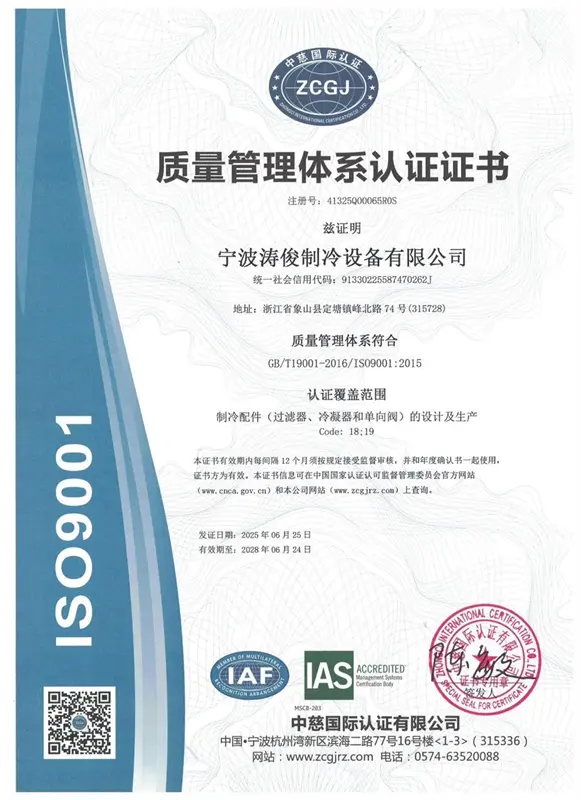
Detailed Scope of Certification
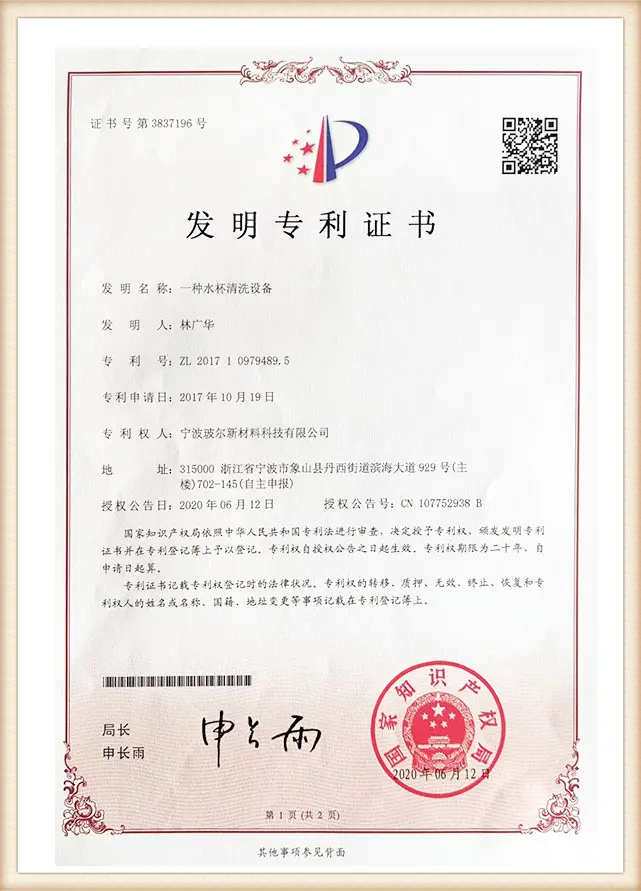
UL Compliance Certificate
Refrigerant moisture comes from multiple sources: atmospheric humidity introduced during improper installation/servicing, slow decomposition of internal organic materials, and molecular permeation through synthetic hoses. If water is not chemically bound, it reacts with oils at high discharge temperatures, forming corrosive acids (HF and HCl).
Our design relies on synthetic crystalline aluminosilicates (molecular sieves) featuring a 3-angstrom pore opening. These cavities exhibit highly localized charge gradients that electrostatically attract the polar water molecules, while the larger non-polar refrigerant molecules bypass the cavities. In systems where lubrication breakdown has already occurred, we offer hybrid cores blending molecular sieves with activated alumina to actively neutralize free fatty acids.
The shift toward HFO refrigerants (such as R1234yf and R1234ze) and natural hydrocarbons (R290, R600a) presents distinct challenges for HVAC drier design. HFO refrigerants are less stable than traditional HFCs and can polymerize in the presence of excessive heat and trace metals, forming organic acids. Taojun’s new generation of copper drier filters utilizes highly chemically inert, non-reactive binders to prevent desiccant breakdown. This maintains structure and prevents fine desiccant powder from entering and damage the reciprocating compressors.
Industrial procurement departments are transition away from fragmented component sourcing to integrated supply strategies. Buyers require manufacturers to possess extensive OEM capacities, offering pre-bent assemblies, integrated capillary lines, and custom dual-inlet designs. By offering fully customizable copper accumulators and welded filter driers, Taojun mitigates secondary brazing processes at our client's assembly plants, cutting down potential leak paths and assembly line labor costs.
Engineered to deliver high reliability across domestic, commercial, and industrial HVAC setups.
Micro-bore copper welding driers (10g, 15g, 20g) customized for space-constrained back-panel positions. Compatible with R600a and R134a systems, preventing capillary tube freezing.
Solid core liquid-line filter driers with high-capacity desiccant structures. Designed to handle frequent thermal expansions and heavy refrigerant flow rates without pressure losses.
Specially reinforced copper accumulator-driers built to survive heavy dynamic vibrations, high road dust levels, and extreme temperature variations.
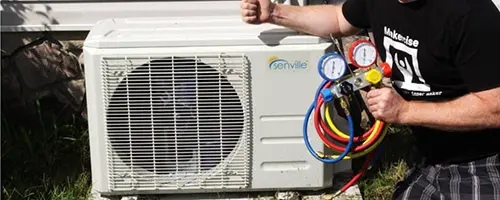
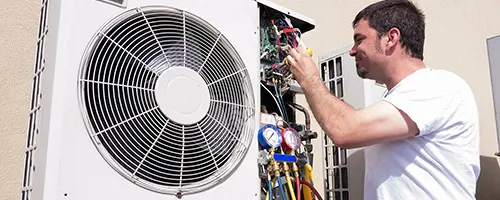
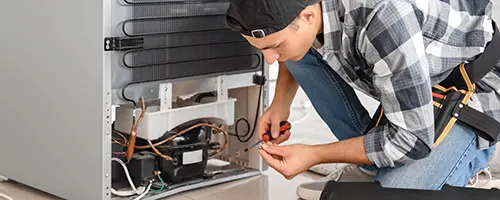
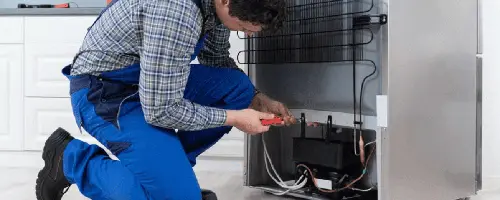
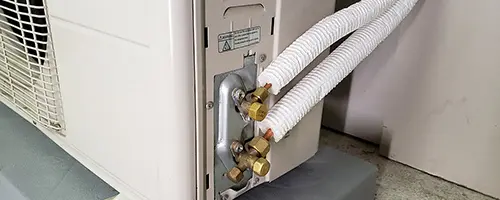

Technical answers regarding refrigeration filter drier selection, sizing, and replacement protocols.
Explore our complete catalog of high-durability condensers, filters, safety valves, and installation fittings.
 Taojun