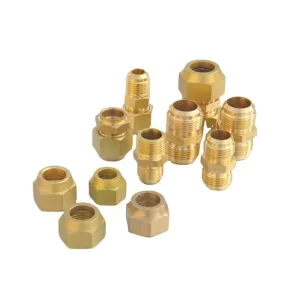
Explore our premium grade refrigeration parts, copper components, and specialized filter driers certified for high-pressure performance.
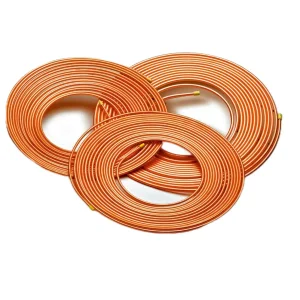
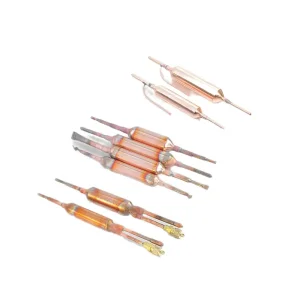
Analyzing the paradigm shift in refrigeration engineering and condenser design toward sustainable, high-efficiency heat transfer technologies.
In the contemporary HVAC/R landscape, chiller condensers represent a pivotal threshold for global energy management. Transitioning away from traditional heat exchangers, modern commercial and industrial cooling plants demand systems designed to operate optimally under fluctuating thermal loads. High-efficiency condensers minimize condensing pressures, directly translating to lowered compressor work cycles and a corresponding drop in aggregate power consumption.
Whether utilizing shell-and-tube, microchannel, or remote air-cooled condenser profiles, materials science determines performance longevity. Deoxidized high-phosphorus (DHP) copper and advanced aluminum brazing technologies are now mandatory baselines to counter structural fatigue induced by rapid cyclic pressure variations and dynamic chemical reactions with modern eco-friendly refrigerants.
Beyond heat exchange profiles, moisture and chemical contamination within the closed refrigeration loop pose a significant risk to compressor integrity. When trace moisture reacts with standard synthetic lubricants under high discharge temperatures, it creates aggressive hydrochloric or hydrofluoric acids that corrode copper windings and pit condenser tubing.
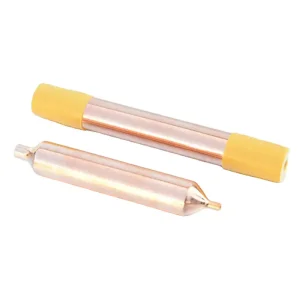
Our solution integrates high-purity copper filter driers incorporating premium 3A molecular sieves. The specific 3-angstrom pore sizing selectively adsorbs critical moisture molecules while ignoring larger refrigerant compounds. This ensures zero system blockages and maintains clean condenser surfaces for unimpeded heat exchange performance over decades of continuous operation.
From university roots to a high-tech manufacturing leader in precision refrigeration accessories.
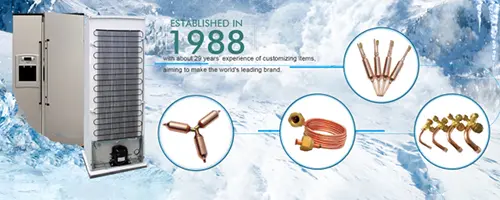
Founded in 1988 as the Xiangshan Refrigeration Accessories Factory of Zhejiang University, Ningbo Taojun Refrigeration Equipment Co., Ltd. has evolved over more than three decades into a comprehensive national high-tech enterprise. Located in Xiangshan, Ningbo, we integrate design, development, high-precision manufacturing, and robust after-sales services for the cooling industry.
Our core product line includes premium filter driers, check valves, air conditioning service valves, condensers, brass and copper accessories, and HVAC installation systems. Sold under our flagship "Lingshan" and "Taojun" brands, our components support world-class OEMs and system integrators globally.
We work closely with leading brands such as Haier, Xinfei, Midea, Gree, Whirlpool, Electrolux, and Huarui, supplying vital parts that stabilize household and commercial refrigeration devices. Our processes are ISO 9001:2015 certified, and we maintain certifications with EU RoHS, REACH, and US UL authorities.
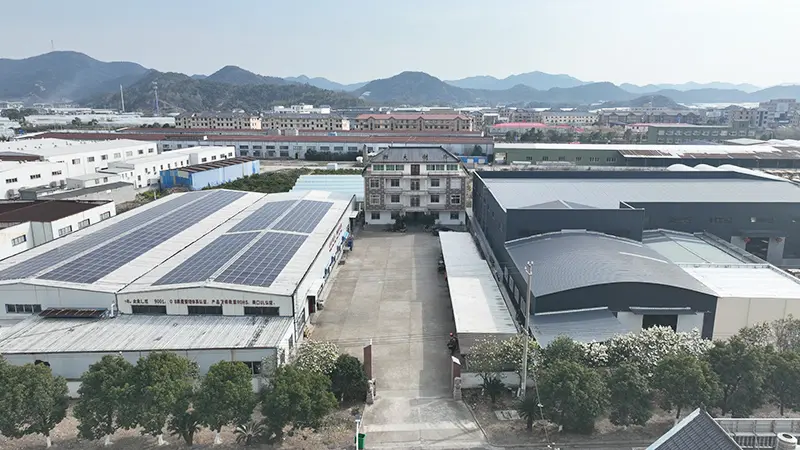
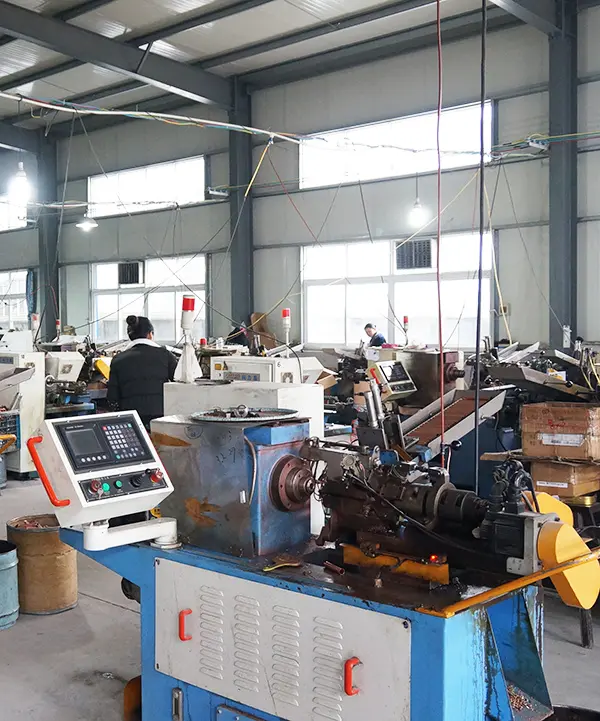
Taojun Factory Complex
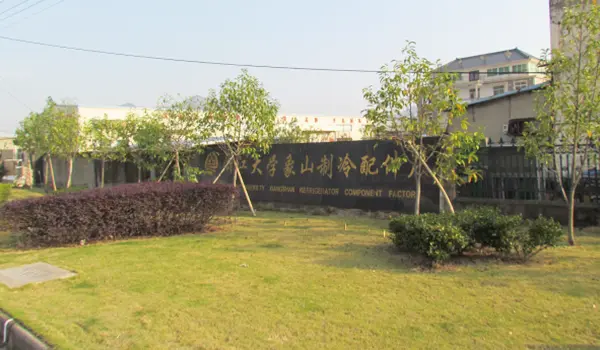
Precision Assembly Line
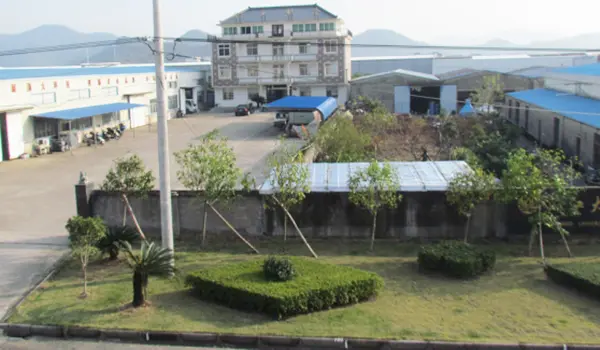
High-Tech Brazing Stations
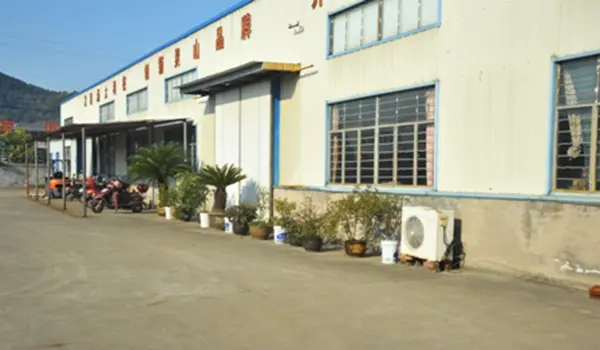
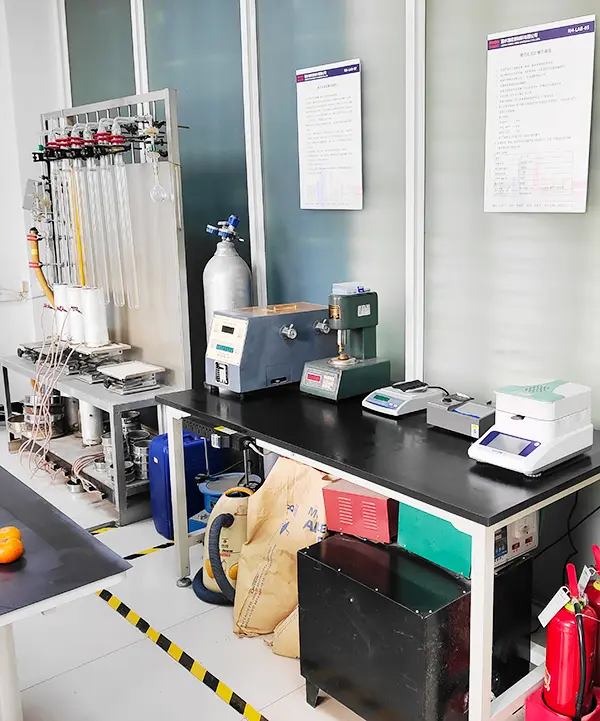
Testing Lab Operations
From standard split air conditioning to specialized industrial ice machines and ultra-low temperature laboratory chillers.
Commercial ice makers require continuous sub-zero evaporation processes, making them vulnerable to moisture freeze-ups in capillary tubes. Our molecular sieve filter driers and copper accumulators ensure high moisture adsorption capacity, even in high ambient temperatures. This prevents ice blockages and maintains high heat-transfer coefficients in the condenser coil.
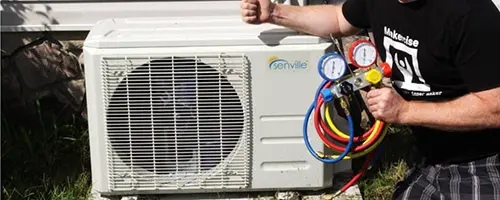
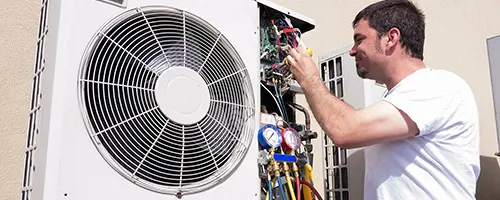
With complex piping networks, VRF systems require strict regulation of refrigerant flow and clean distribution paths. Taojun's copper alloy capillary assemblies and split service valves allow technicians to service units efficiently while protecting the compressor from particulate contamination using double-copper filters.
Heavy-duty chillers utilized in plastic molding, CNC machinery cooling, and laser cutting demand high-integrity condensing sections. Our premium condensers are engineered to withstand prolonged vibrations and harsh industrial fluids, minimizing maintenance intervals and preventing system down-time.
Process Application & Testing Environments
Aligning component designs with low global warming potential (GWP) gases and green manufacturing processes.
As international agreements like the Kigali Amendment phase out high-GWP hydrofluorocarbons (HFCs), the HVAC/R industry is shifting rapidly to natural refrigerants such as Isobutane (R600a), Propane (R290), and Carbon Dioxide (R744). These refrigerants operate under distinct pressure thresholds and have high compatibility requirements with lubricating oils.
Taojun's R&D team works with institutions like the University of Science and Technology of China to optimize copper filter driers and service valves for alternative gases. Our latest generation components feature burst pressures exceeding 120 bar, assuring safe operations under high pressure R744 systems while maintaining strict chemical resistance.
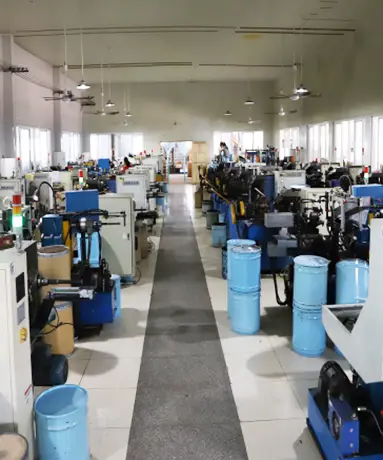
To support high-volume OEM integrations, we have deployed the Manufacturing Execution System (MES) across our Zhejiang facility. Every single filter drier, condenser coil, and service valve can be tracked from raw copper rod procurement through extrusion, internal desiccant core installation, argon-shielded welding, and final helium mass spectrometer leak detection.
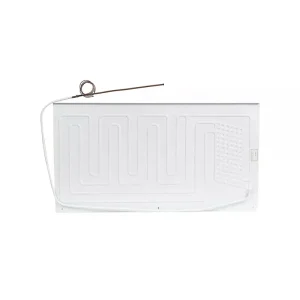
Developing compact, microchannel-based aluminum roll bond evaporators that reduce refrigerant charge volume by up to 40% while raising COP levels.
Implementing double-sealing mechanisms on all service valves and stop valves to eliminate fugitive refrigerant leaks, contributing to direct emissions reductions.
Ensuring 100% recyclability of all copper and aluminum components. Our logistics processes utilize green packing systems aligned with RoHS and WEEE directives.
A look into our state-of-the-art testing facility and structural features that define "Lingshan" products.
Our ITO films (no shrinkage, zero color difference) and liquid crystal spacers are sourced directly from premier partners in Japan. Adhesives are imported from leading European suppliers. Liquid crystals feature high-stability temperature ranges up to 70°C, and protective films resist degradation at temperatures of 80-90°C.
All components undergo testing at 75°C and -35°C for 500 hours, followed by thermal shock validation between 10°C and 90°C. Damp heat tests run for 500 hours, while moisture is eliminated via specialized oven bake cycles. Sheet films receive 24-hour aging runs, and rolls are tested at 100V high-voltage to ensure zero breakdown.
✓ Shell: High-purity DHP copper tube (rust-resistant, high pressure-resistant).
✓ Desiccant Core: 3A Molecular Sieve (water adsorption capacity ≥20%) + activated carbon layer.
✓ Sealing: Argon arc welding and precise spin-closing to guarantee no system leaks.
Verifiable compliance to international standards, providing secure supply chains for large-scale OEMs.
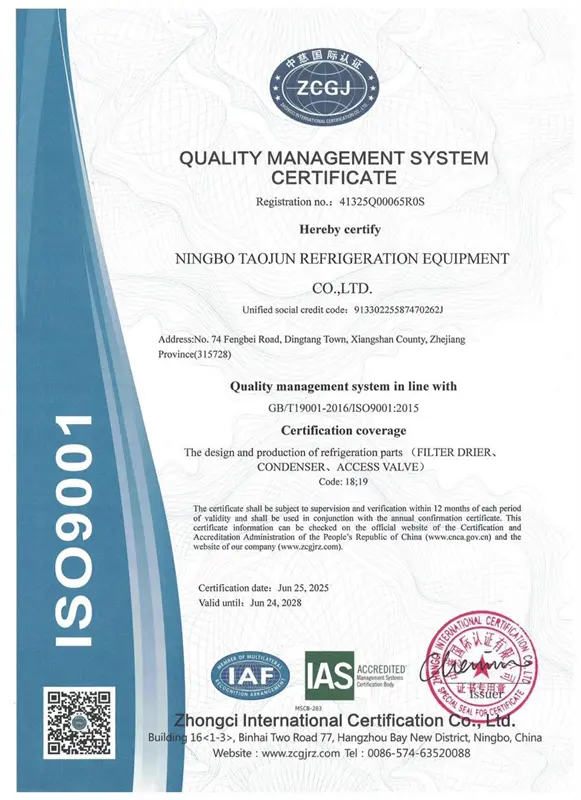
ISO 9001:2015 Registration No: 41325Q00065R0S
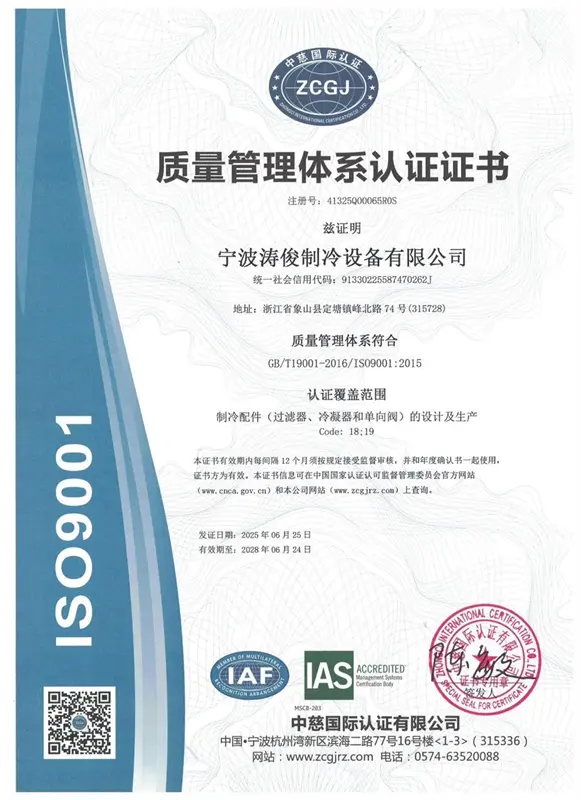
Scope: Design & Production of Filter Driers, Condensers, Valves
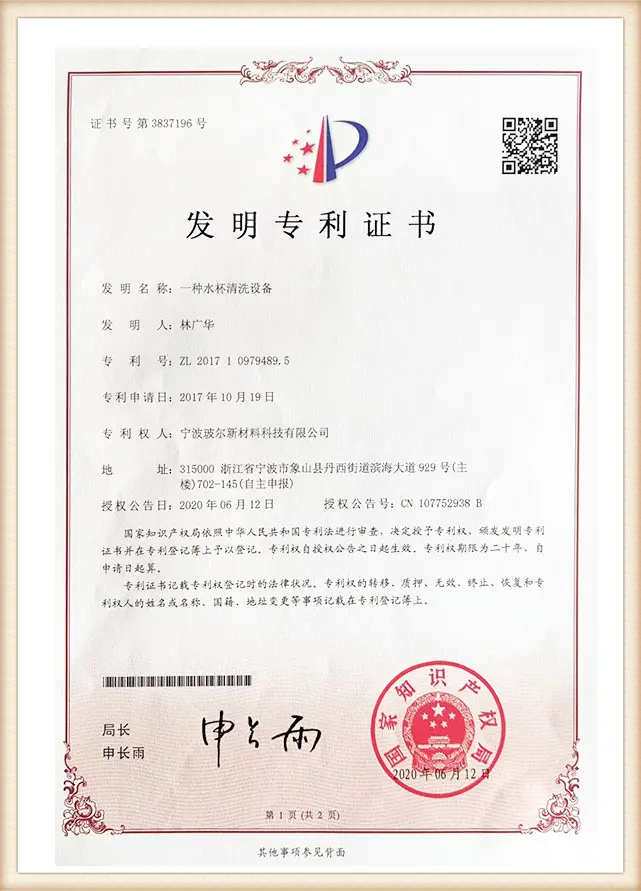
Quality System Audited by Zhongci International
Our pre-sales phase is led directly by technical sales engineers with an average of 15 years of pump and system integration experience. We supply full technical specifications, 3D CAD modeling, and compatibility mapping to assist your engineering design team. Inquiry responses are guaranteed within 8 hours, with technical consulting hot-lines open 24/7.
We provide a one-year baseline warranty across all standard HVAC/R products. Beyond hardware replacement, our engineers provide structural system evaluations, troubleshooting guides, and guidance on braze operations to optimize component installation. Lifetime technical support is standard for all our OEM partnerships.
Insights from our R&D team on optimizing refrigeration circuit life and heat exchanger performance.
A 3-angstrom (3A) molecular sieve has a pore diameter of approximately 3 Å. This specific opening is highly selective: it easily adsorbs water molecules (kinetic diameter ~2.6 Å) while completely excluding refrigerant molecules like R134a, R290, or R410A, which have larger kinetic diameters. Using a 4A or 13X desiccant can cause co-adsorption of the refrigerant and carrier oils, leading to chemical breakdown, heat generation, and premature desiccant saturation.
Elevated condensing pressures are typically caused by four issues: dirty or oxidized heat-exchange fins, fan motor failure, overcharging of refrigerant, or non-condensable gases (such as air or nitrogen) trapped inside the system. Correcting this requires routine cleaning of the condenser surface using non-acidic fin cleaners, checking the fan speed, purging non-condensables using recovery units, or checking the system charge level.
In low-temperature systems (evaporator operating below 0°C), any free moisture circulating with the refrigerant will freeze at the exit of the capillary tube due to the sudden drop in pressure and temperature. This forms an ice plug that blocks refrigerant flow, leading to high discharge pressures, low suction pressures, and eventual compressor thermal overload. Active filtration using a copper filter drier is essential to keep system moisture content below 10 ppm.
DHP copper (designated as UNS C12200) contains a controlled amount of phosphorus (0.015% to 0.040%) acting as a deoxidizer. This structural modification eliminates hydrogen embrittlement risks when brazing and increases corrosion resistance against oils and alternative refrigerants. It also maintains excellent formability and grain stability under cyclic thermal stresses.
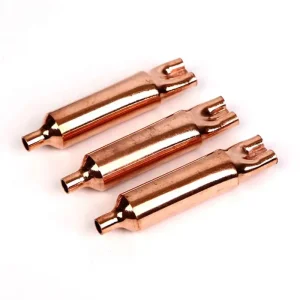
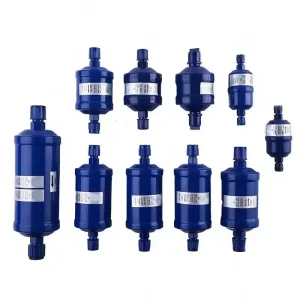
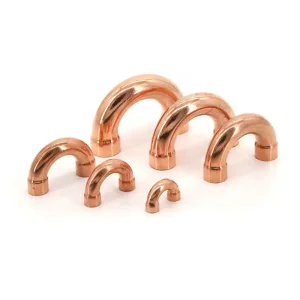
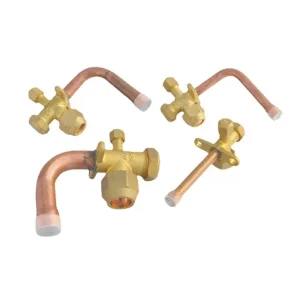
Complete your supply chain with our certified line of copper bends, filter driers, and evaporative plates.
 Taojun