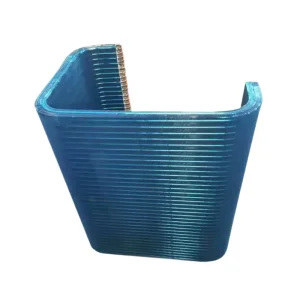
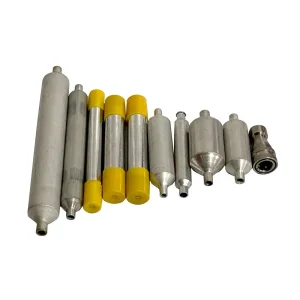
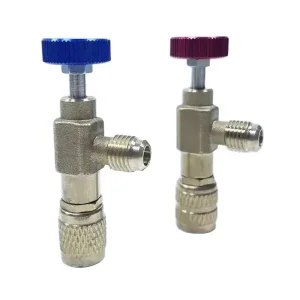
Engineered to comply with AS/NZS standards, these high-reliability system parts ensure maximum pressure holding and corrosion resistance.
Australia’s unique geography and extreme climate conditions present severe demands on industrial and civil infrastructure. From the scorching, dry conditions of the Pilbara mining regions to the highly corrosive coastal salt fog of Sydney, Melbourne, and Brisbane, refrigeration systems and fluid pipelines are continuously subjected to severe thermal fluctuations and mechanical vibration.
Under the **AS/NZS 1167.1 standard**, metal joining processes—particularly copper brazing in high-pressure air conditioning, commercial refrigeration, and medical gas piping systems—must guarantee permanent hermetic sealing. Thermal expansion, chemical corrosion, and micro-vibrations from high-displacement compressors demand brazing alloys with exceptional capillary flow, controlled melting ranges, and superior structural ductility.
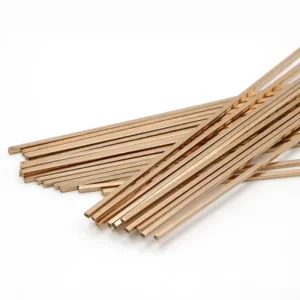
As a leading supplier, we support Australian heavy industry and HVAC-R professionals by providing high-purity copper and silver-copper-phosphorus brazing materials. These alloys minimize brazing temperatures while maximizing physical joint durability, optimizing uptime in critical food security cold chains, mineral extraction operations, and municipal infrastructure.
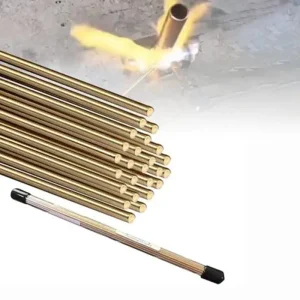
A comparative overview of brazing alloys designed to meet the strict criteria of Australian construction and refrigeration codes.
Brazing processes rely heavily on the thermodynamic properties of the filler metal. Phosphorus acts as a self-fluxing agent on copper-to-copper joints, whereas silver additions (ranging from 2% to 15%) decrease the liquidus temperature, refine the grain structure, and significantly improve ductility. This prevents joint brittleness caused by structural shifts under thermal load.
| Alloy Grade (AS/NZS 1167.1) | Nominal Composition | Solidus Temp (°C) | Liquidus Temp (°C) | Key Applications in Australia | Recommended Joint Clearance |
|---|---|---|---|---|---|
| Cup1 (B-Cu93P) | P 7.0-7.5%, Cu Bal. | 710 | 793 | Standard copper plumbing, light HVAC water lines | 0.03 - 0.08 mm |
| Ag2 (Ag 2% / CuP) | Ag 2.0%, P 6.0%, Cu Bal. | 644 | 790 | Residential split AC installation, copper tubing | 0.05 - 0.10 mm |
| Ag5 (Ag 5% / CuP) | Ag 5.0%, P 6.0%, Cu Bal. | 644 | 740 | Commercial refrigeration piping, condenser headers | 0.05 - 0.12 mm |
| Ag15 (Ag 15% / CuP) | Ag 15.0%, P 5.0%, Cu Bal. | 644 | 800 | Mining equipment coolant loops, marine compressors | 0.07 - 0.15 mm |
| BAg-7 (High Silver Cad-Free) | Ag 56%, Cu 22%, Zn 17%, Sn 5% | 618 | 652 | Medical gas pipelines (AS 2896), Copper to Stainless | 0.03 - 0.08 mm |
The phosphorus content reacts with oxygen to form copper metaphosphate, clearing oxide layers on copper. This eliminates external chemical fluxes, avoiding joint contamination.
Adding 5% to 15% silver increases alloy ductility. This lets joint assemblies absorb vibrations from industrial compressors without micro-cracking.
High-purity formulations resist dezincification and galvanic stress corrosion, making them suitable for installations in marine atmospheres and industrial runoffs.
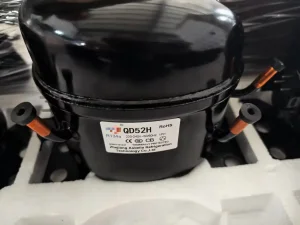
Industrial-grade metal alloys and structural components configured for high-demand processing plants across Australia.
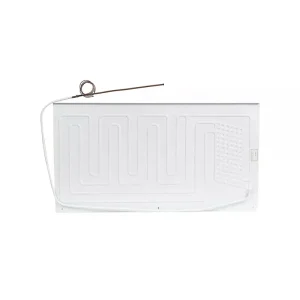
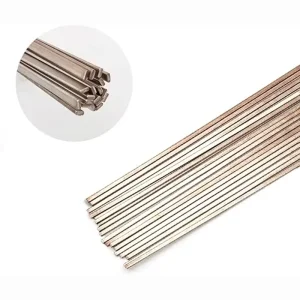
How our copper brazing solutions and components support demanding Australian operations.
In the remote mining regions of Western Australia and Queensland, heavy extraction machinery and underground cooling networks run continuously under high vibration loads. Standard joints are prone to fatigue failure. Our **15% Silver Brazing Alloys** provide the high ductility needed to absorb mechanical vibration and keep mining machinery cooling loops running without leaks.
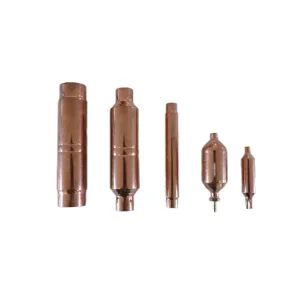
Northern Territory and Western Australian commercial refrigeration grids must cope with extreme heat. In these environments, refrigerants can reach high temperatures and pressures. Using high-purity copper filter driers and accumulator mufflers prevents system contamination, helping to maintain high coefficient of performance (COP) ratios in extreme outdoor heat.
Brazed connections near the coast face accelerated atmospheric galvanic corrosion. By using precise phosphorus-copper-silver alloys, technicians can create smooth, low-porosity joints. This limits localized crevice corrosion and prevents salt spray degradation in coastal refrigeration and HVAC projects.
Medical gas and clean-room pipelines require zero contaminant residue. Our copper joining assemblies and cadmium-free silver brazing alloys are formulated to flow cleanly and seal reliably. This helps contractors meet the strict demands of **AS 2896 (Medical Gas Systems)** and high-purity piping standards.
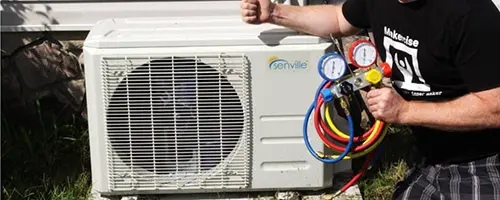
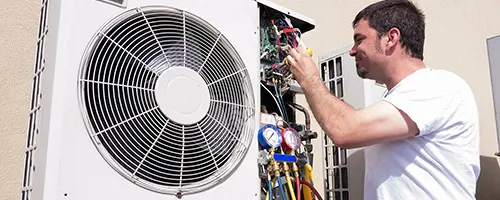
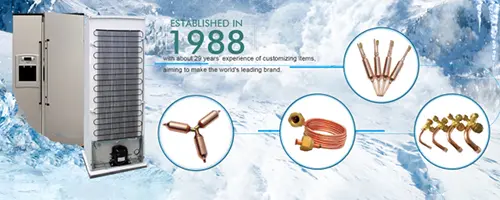

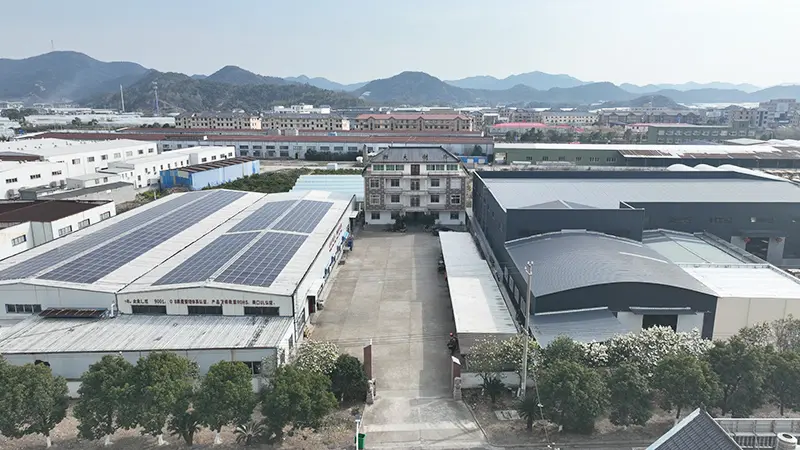
Maintaining supply chain consistency is critical for major Australian distribution channels, infrastructure contractors, and original equipment manufacturers (OEMs). Operating from our specialized production plant in Ningbo, China, **Ningbo Taojun Refrigeration Equipment Co., Ltd.** offers reliable supply routes directly to major Australian ports, including Melbourne, Sydney, Brisbane, and Fremantle.
Our close proximity to the Port of Ningbo allows us to expedite customs clearances and secure consistent shipping schedules. To protect Australian importers from supply disruptions, we offer buffer inventory management, direct container shipping, and localized customs clearance support.
By controlling raw material sourcing and utilizing automated manufacturing lines, we minimize lead times and ensure stable, competitive pricing. This protects our partners from raw material market fluctuations and freight volatility, keeping projects on schedule.
Watch Us in Action: Inside Ningbo Taojun's ISO 9001-Certified Precision Production Facility
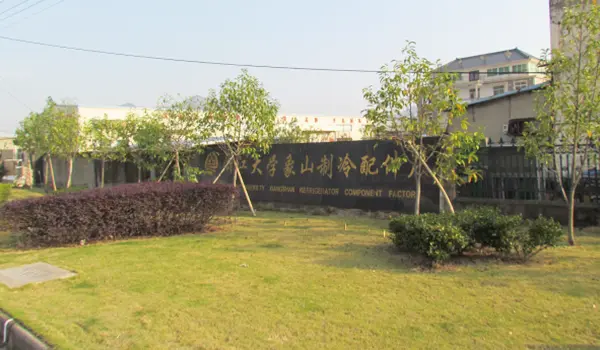
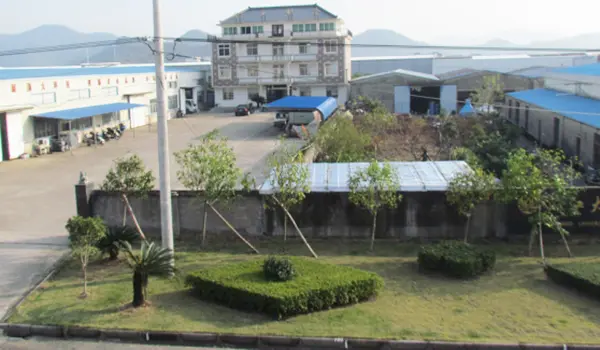
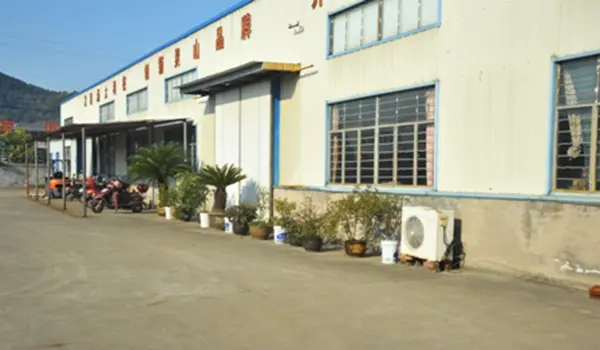
Founded in 1988 as the Xiangshan Refrigeration Accessories Factory of Zhejiang University, **Ningbo Taojun Refrigeration Equipment Co., Ltd.** has grown over 38 years into a specialized developer and manufacturer of high-performance HVAC-R components and metal joining products.
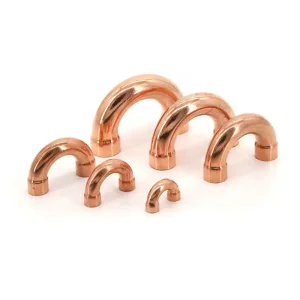
Our company manufactures a wide range of refrigeration products, including copper filter driers, check valves, custom U-bend fittings, condenser units, and high-purity brazing alloys. In 2021, we were officially recognized as a National High-Tech Enterprise, reflecting our focus on process innovation, advanced metallurgical testing, and continuous manufacturing upgrades.
Our production lines feature automated assembly systems, integrated MES workshop management, and high-pressure helium leak-testing rigs. These processes maintain a defect rate of under 0.05%, delivering consistent quality to partners in Europe, South America, Asia, and Australia.
Every brazing alloy batch and component assembly is tested to ensure stability under operational loads.
Components are pressure-tested from -35°C up to 75°C for 500 hours, ensuring joint stability under high-stress thermal expansions.
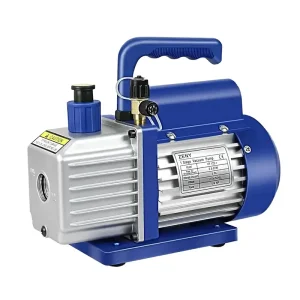
We use helium vacuum leak testing to detect micro-pores in brazed joints, ensuring zero refrigerant leakage under high operational pressures.
Every melt batch of brazing rods is verified via spectrometer testing to confirm composition limits, ensuring self-fluxing reliability.
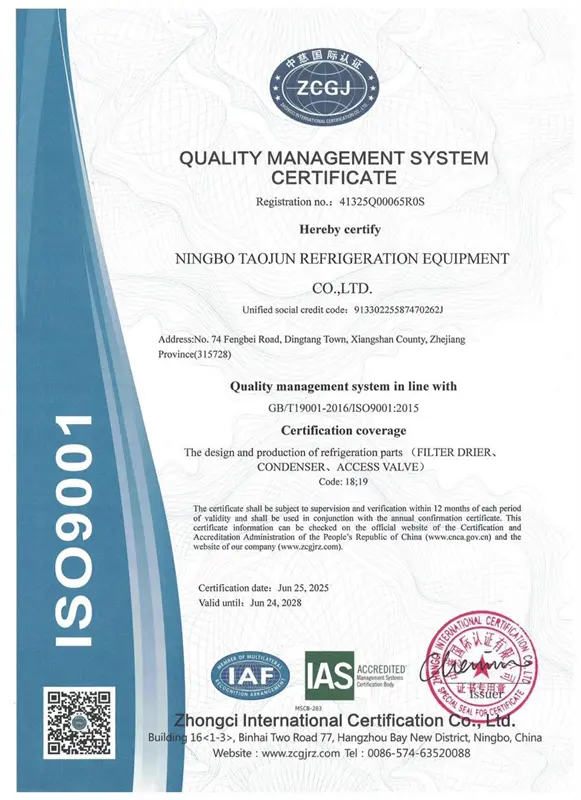
ISO 9001:2015 Registration Certificate
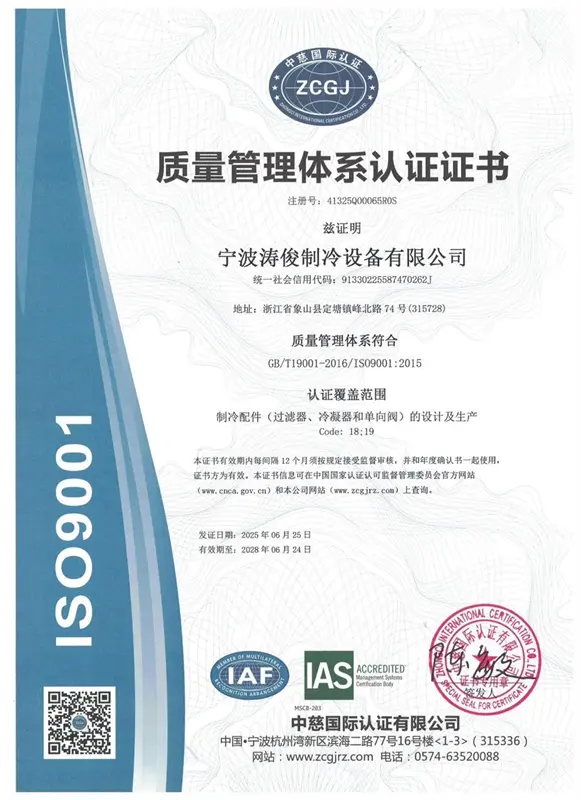
Official Certification Registration Record
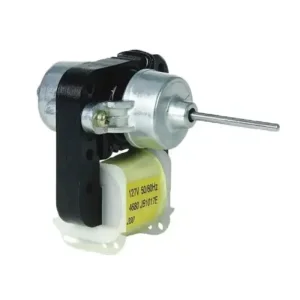
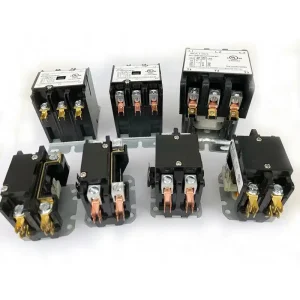
A complete selection of HVAC accessories and replacement parts configured for commercial distributors in Australia.
Metallurgical answers and design recommendations for engineers, distributors, and HVAC technicians in Australia.
Silver content improves the ductility of the brazing joint. Alloys with 5% to 15% silver (like Ag5 and Ag15) have a wider melting range, which allows them to fill slight clearances and bridge larger joint gaps. This makes the finished joint more ductile, helping it to absorb continuous mechanical vibrations from commercial compressor assemblies without fracturing.
When brazing copper-to-copper, the phosphorus in the alloy reacts with atmospheric oxygen to form copper metaphosphate. This compound acts as a fluxing agent that clears surface oxide layers, allowing the alloy to wet and flow cleanly over the base metal. This self-fluxing action eliminates the need for paste fluxes, preventing chemical contamination inside refrigeration circuits. Note that an appropriate external flux is still required when brazing brass or bronze alloys.
Imported HVAC-R components and joining alloys must comply with local safety and environmental standards. Our factory maintains **ISO 9001:2015 certification** and ensures our products meet **RoHS** (Restriction of Hazardous Substances) and **REACH** standards. This guarantees that our alloys do not contain cadmium, lead, or other restricted toxic substances, helping importers meet Australian safety and environmental regulations.
Our copper filter driers use high-performance **3A molecular sieves** combined with an activated alumina drying core. This blend quickly absorbs moisture and captures harmful acids generated by compressor heat. Dehydrating the refrigerant prevents ice formation at the expansion valve and protects compressor motor windings from acid erosion, ensuring reliable system performance in humid coastal climates.
For optimal capillary draw, joint clearance should ideally be held between **0.03 mm and 0.08 mm**. If clearances are too wide, the molten filler metal may run through the joint rather than sealing it. For joints with wider tolerances, we recommend using alloys with a higher silver content, as they have a wider plastic range that helps bridge larger clearances.
Optimize your project specifications with assistance from Ningbo Taojun's experienced engineers. We provide custom alloy packaging, targeted sizing configurations, and full compliance documentation tailored for the Australian market.
Send Inquiry Now Taojun