High-purity phosphor-copper materials and professional-grade vacuum systems optimized for leak-free operations in commercial and residential refrigeration.
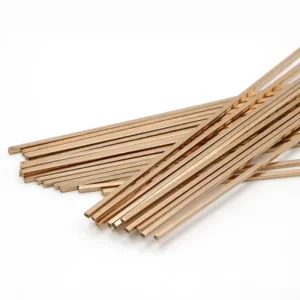
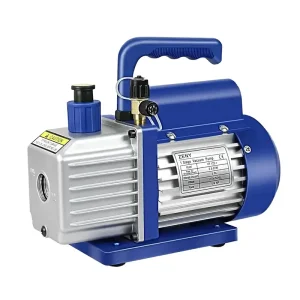
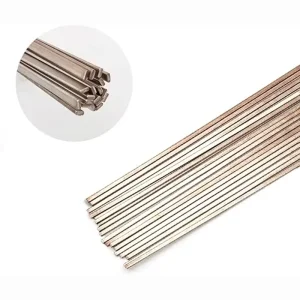
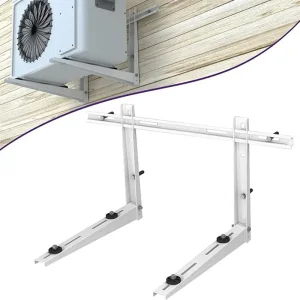
Brazing copper and its alloys requires a deep understanding of thermal mechanics, eutectic compositions, and joint clearance parameters. Phosphor-copper and silver-phosphor-copper alloys are widely preferred for joining copper tubing and components due to their self-fluxing ability on pure copper interfaces. The phosphorus content (typically ranging between 5% and 8%) acts as an effective deoxidizing agent, reacting with copper oxides to form a liquid phosphate slag that is displaced during capillary action.
However, when brazing copper to dissimilar metals, such as brass, bronze, or stainless steel, the presence of phosphorus can form brittle phosphides at the junction interface. In these scenarios, silver brazing alloys ranging from 5% to 15% silver (Ag) are employed to provide excellent ductility, lower solidus/liquidus flow thresholds, and significantly improved corrosion resistance. These formulations are critical for high-vibration systems like commercial HVAC compressors and heat exchangers.
Why specialized copper brazing alloys are crucial for HVAC, electrical, and cold chain manufacturing in Mumbai and the surrounding Maharashtra industrial corridors.
Mumbai's high humidity and saline marine environment accelerate galvanic corrosion. Alloys with 15% silver concentration significantly enhance interface resistance, preventing micro-fracturing and refrigerant leaks over decades of operation.
The industrial manufacturing belts of Thane, Kalyan, and Navi Mumbai require massive quantities of highly standardized, ISO 9001-certified brazing rods to feed HVAC assembly lines supplying major retail, commercial and railway projects.
With warehouse distribution capacities capable of servicing Mumbai, Thane, Pune, and Gujarat industrial hubs, we offer customized OEM sizes, square/round rods, and specialized flux coatings to eliminate pre-cleaning steps.
Select the appropriate silver, phosphorus, and copper distribution based on structural stress, temperature cycles, and parent metal compatibility.
| Alloy Class | Composition (Ag / P / Cu) | Solidus Temp (°C) | Liquidus Temp (°C) | Tensile Strength (MPa) | Primary Industrial Use Case |
|---|---|---|---|---|---|
| BCuP-2 (0% Silver) | 0% Ag / 7.2% P / Bal. Cu | 710 | 802 | 250 - 300 | Standard copper-to-copper pipe connections in residential air conditioning systems. Self-fluxing. |
| BCuP-3 (5% Silver) | 5% Ag / 6.0% P / Bal. Cu | 643 | 813 | 350 - 380 | Heavy commercial HVAC systems. Designed to absorb mild vibration and thermal shocks. |
| BCuP-5 (15% Silver) | 15% Ag / 5.0% P / Bal. Cu | 643 | 800 | 400 - 450 | Critical applications, marine refrigeration, compressor loops, and projects subject to severe thermal cycles. |
| BAg-7 (56% Silver) | 56% Ag / 22% Cu / 17% Zn / 5% Sn | 618 | 652 | 480 - 520 | Dissimilar metal jointing (copper to stainless steel/carbon steel) in food processing and medical gases. |
Founded in 1988 as the Xiangshan Refrigeration Accessories Factory of Zhejiang University, Ningbo Taojun Refrigeration Equipment Co., Ltd. has accumulated over three decades of core manufacturing and material science expertise. Operating from our state-of-the-art facility in Xiangshan, Ningbo, China, we transitioned into a certified National High-Tech Enterprise in 2021, focusing on automated design, metallurgical verification, and global supply chain integrations.
Our comprehensive production facility leverages imported German manufacturing equipment and works in partnership with the University of Science and Technology of China. This alliance supports a rigorous R&D center consisting of 15 advanced metallurgical engineers, professors, and doctors dedicated to resolving joint failure, porous solder matrix, and gas-leak issues in highly complex refrigeration networks.
We actively support major global appliance manufacturers including Haier, Midea, Gree, Whirlpool, Electrolux, and Huarui. Our systems comply strictly with ISO9001:2015, IATF 16949, European RoHS, REACH, and US UL certifications. Through strict material verification, we guarantee a defect rate of under 0.05%, ensuring that every batch of brazing rod, condenser loop, or custom refrigeration fitting matches international durability standards.
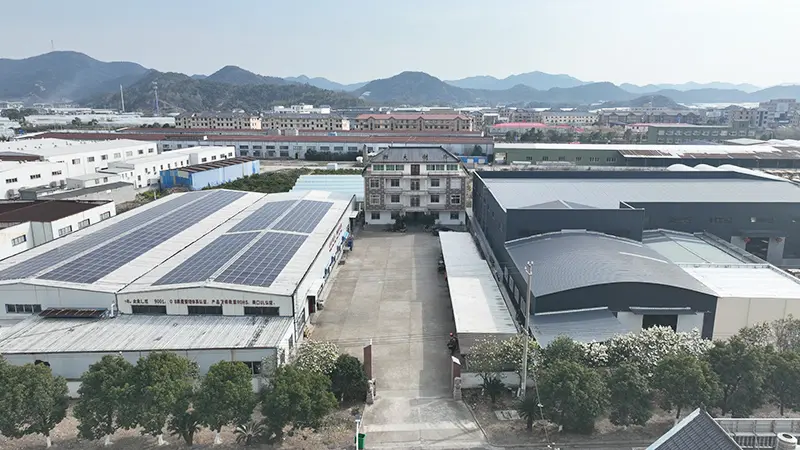
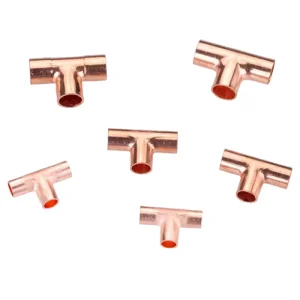
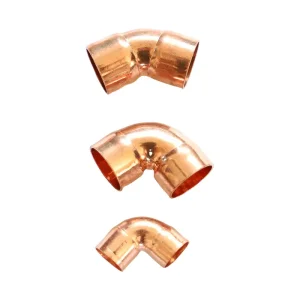
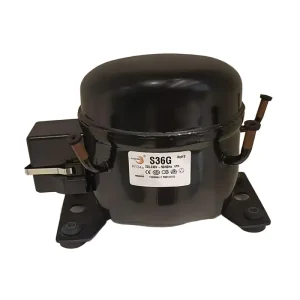
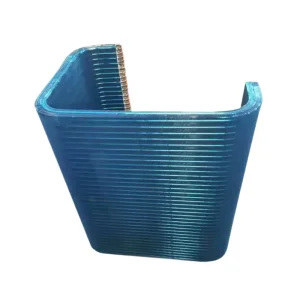
Fully certified cooling loop parts, safety valves, and high-efficiency heat exchange systems matching industrial standards.
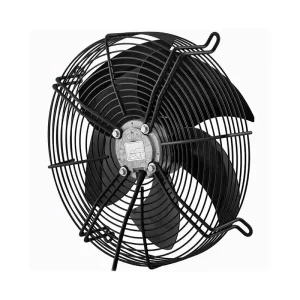
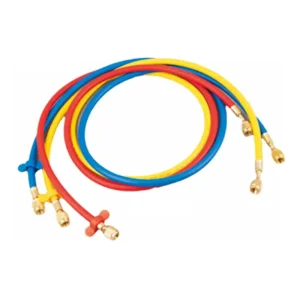
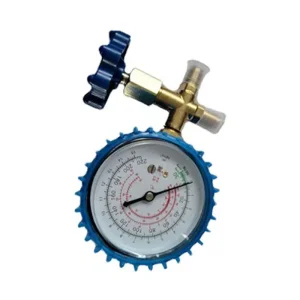
Every shipment bound for the Mumbai metropolitan region undergoes rigorous chemical and mechanical screening.
Verifying absolute silver and phosphorus distribution percentages to ensure uniform capillary dynamics and prevent alloy segregations.
We test joint permeability using extreme gas pressure cycles to verify solid joints and identify structural micro-porosities.
Completed joints undergo stress tests at -35°C to 75°C for 500+ hours to simulate extreme industrial refrigerant phase transitions.
Our alloys are guaranteed lead and cadmium-free, conforming to EU RoHS and domestic ecological manufacturing regulations.
Insights into metallurgy, application standards, and logistics for industrial procurement in Mumbai.
Phosphor-copper alloys contain phosphorus (typically 5% to 8%), which acts as a self-fluxing agent. During heating, the phosphorus reacts with surface copper oxides to form a liquid phosphate compound. This reaction effectively dissolves the oxide layer, allowing the liquid alloy to wet and flow over the clean copper base metal without the need for chemical flux.
Alloys with 15% silver (like BCuP-5) are selected when joints are subject to high vibration (such as lines connected directly to commercial compressors) or extreme thermal expansion and contraction cycles. The addition of silver significantly increases the joint's ductility and mechanical strength, helping prevent cracks caused by metal fatigue.
Phosphor-copper alloys can be used to join copper to brass or bronze, but an external flux is required. However, they should never be used to join steel, stainless steel, or other iron-containing metals. The phosphorus reacts with iron to form brittle iron phosphides, which will cause the joint to fail under mechanical stress. For copper-to-steel joints, use a cadmium-free silver brazing alloy (such as BAg-7) with a matching flux.
We provide sea freight through Nhava Sheva (JNPT) port and air freight services for urgent factory shut-downs. We offer customized packaging options, including vacuum-sealed tubes to prevent pre-installation oxidation, along with test certificates, chemical analysis reports, and ISO compliance documentation.
 Taojun