Designed for heavy-duty HVAC operations under extreme atmospheric profiles, including the high-temperature conditions of North Africa.
Algeria's rapid economic growth and urbanization present unique demands on its industrial cooling infrastructure. Spanning across hot, arid Saharan climates and Mediterranean coastal zones, industrial systems in Algeria must operate reliably under temperatures exceeding 45°C. This makes critical HVAC parts, especially high-pressure charging hoses and copper fittings, vital components in sustaining the country’s cold chain, residential comfort, and heavy industries.
The national push toward infrastructure upgrades in key sectors like oil and gas (Sontrach facilities in Hassi Messaoud), food processing, and maritime shipping lines in Algiers, Oran, and Annaba has raised performance expectations. Cheap, sub-standard hoses break down under thermal expansion and high working pressures, causing expensive refrigerant leaks and system downtime. As standard refrigerants like R134a, R410A, and next-generation low-GWP agents (R32, R290) are adopted locally, demand has spiked for high-barrier charging hoses that prevent chemical permeation.
Furthermore, Algeria's regulatory standards are aligning more closely with European and international norms (such as ISO 9001 and CE directives). Wholesalers, maintenance contractors, and HVAC manufacturers in major hubs such as Setif, Constantine, and Blida require dependable OEM suppliers capable of delivering high-durability hoses that resist cracking under high UV radiation and extreme heat cycles.
Modern refrigeration charging hoses must employ specialized inner lining polymers (like Nylon or highly cross-linked synthetic elastomers) to minimize refrigerant gas permeation. This is especially vital as the industry transitions toward high-affinity gases.
With the widespread use of R410A and carbon dioxide (R744) refrigeration, working pressures have surged. Modern charging hoses must maintain a minimum 800 PSI working pressure and 4000 PSI burst pressure threshold to guarantee safety during system diagnostic services.
Regulatory pressures under the Montreal Protocol and Kigali Amendment drive the adoption of mildly flammable (A2L) refrigerants. Hoses must remain chemically inert to oils (PAG and POE) and protect against static charge buildup during recovery and charge.
Founded in 1988 as the Xiangshan Refrigeration Accessories Factory of Zhejiang University, Ningbo Taojun Refrigeration Equipment Co., Ltd. has accumulated over 35 years of engineering expertise. Over the past three decades, we have established ourselves as a premier developer, manufacturer, and global exporter of high-grade refrigeration accessories.
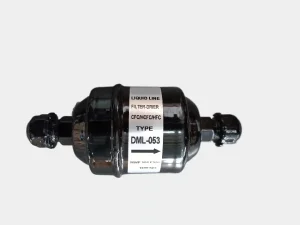
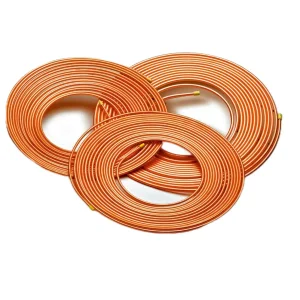
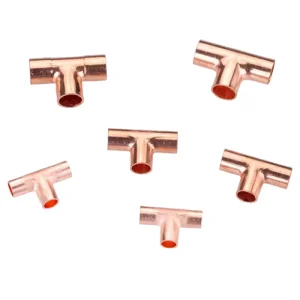
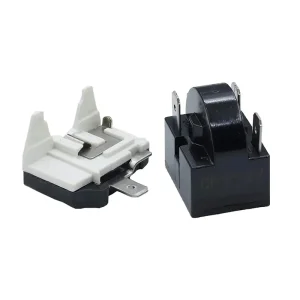
In 2021, Taojun was recognized as a National High-Tech Enterprise in China. Our state-of-the-art facilities leverage imported German production systems and advanced MES intelligent management processes to produce world-class products. From filter driers and access valves to specialized charging hoses and copper accessories, we supply major home appliance corporations, including Haier, Midea, Gree, Whirlpool, and Electrolux.
Our dedication to strict quality control, verified by ISO9001:2015, EU RoHS, and US UL certifications, ensures that every component shipped to Algeria and other global markets meets demanding operational parameters.
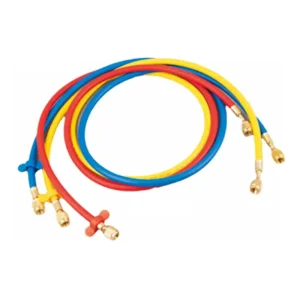
Industrial-grade charging hoses are complex multilayer structures designed to withstand mechanical stress, temperature shifts, and chemical reactions. Below is the technical breakdown of how Ningbo Taojun constructs high-durability hoses suited for the demanding Algerian market:
Refrigerant Compatibility: R22, R134a, R404A, R407C, R410A, R32, R290, R1234yf
Rated Pressures: Working Pressure 800 PSI | Burst Pressure 4000 PSI (Safety Factor: 5:1)
Working Temp Range: -30°C to +110°C (Compatible with high-ambient Saharan temperatures)
Certifications: ISO 9001:2015, UL 1963 standards compliant, RoHS directives
In southern petrochemical zones like Hassi Messaoud and Hassi R'Mel, cooling equipment controls control room heat loads. Servicing these critical systems requires certified hoses that prevent fluid contamination and handle heavy thermal loads.
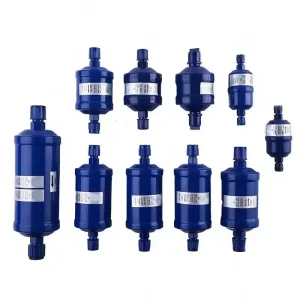
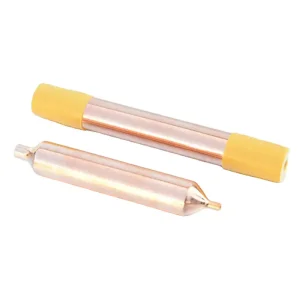
In coastal shipping ports like Algiers and Oran, cold storage units protect imported and domestic foods. Our low-leak charging hoses and industrial molecular sieve filter driers keep food logistics operations running smoothly.
Urban developments in Setif, Constantine, and Blida rely on VRF and central chiller HVAC setups. Our charging accessories allow technicians to charge systems with next-generation high-pressure refrigerants efficiently.
Through decades of dedicated product optimization, Ningbo Taojun has evolved from a local refrigeration workshop into a global brand.
Founded as Xiangshan Refrigeration Accessories Factory, partnered with Zhejiang University for basic cooling component R&D.
Completed construction of our specialized production plant to meet the demand for OEM refrigeration driers and valves.
Implemented advanced MES intelligent production workflows and expanded exports to European and American markets.
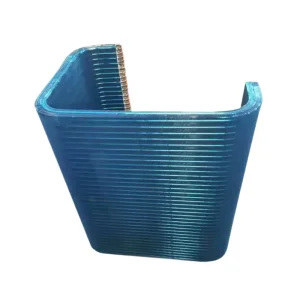
Established Ningbo Taojun Refrigeration Equipment Co., Ltd. and introduced the "Taojun" brand for premium condensers and valves.
Certified as a national High-Tech Enterprise in China, expanding R&D to advanced charging hoses and eco-friendly system accessories.
Introduced high-barrier elastomer hose designs optimized for demanding climates, including North Africa and the Middle East.
Our core manufacturing advantage stems from strict material selection and state-of-the-art testing regimens:
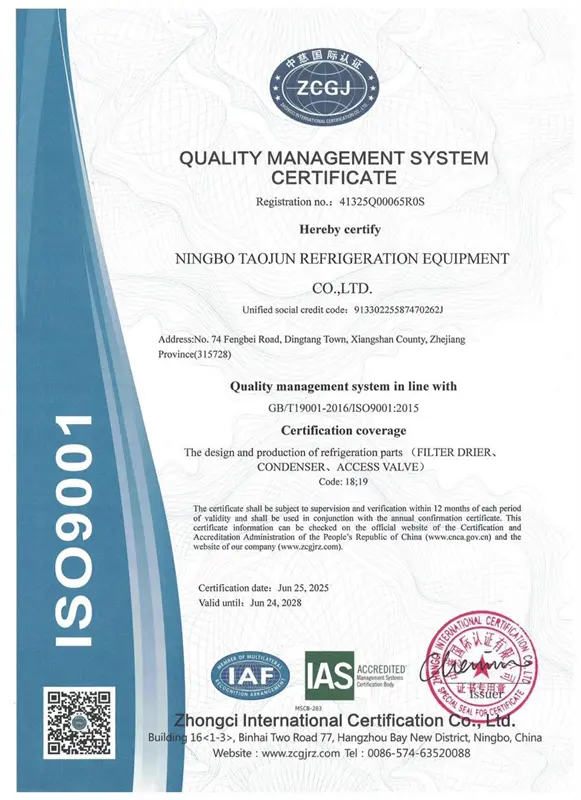
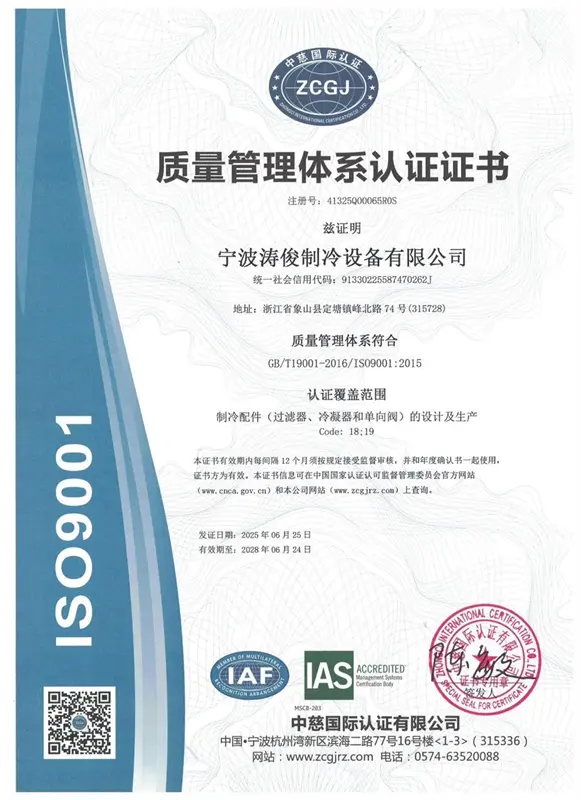
Official GB/T19001-2016 / ISO9001:2015 Quality Management Registrations
As environmental regulations tighten globally, the HVAC/R sector is evolving rapidly. Ningbo Taojun's R&D is focused on creating future-proof components for a changing regulatory landscape:
Developing manifold hoses with inline micro-sensors to monitor pressure drop and moisture levels in real time. This technology sends data directly to service technicians' mobile devices via Bluetooth.
Transitioning outer rubber protective layers to sustainable, bio-based elastomers. This reduces environmental impact during production and disposal without compromising durability or chemical resistance.
Refining low-loss valve systems to ensure zero gas leakage upon hose disconnection. This design prevents refrigerant discharge and protects technicians from frostbite during service.
Ningbo Taojun provides comprehensive sourcing solutions tailored for HVAC wholesalers, commercial distributors, and technical service networks across Algeria:
We coordinate closely with reliable shipping lines to offer competitive delivery timelines to Algerian entry ports, including Algiers, Oran, Skikda, and Annaba. All export packaging features heavy-duty, moisture-resistant protective wraps designed to withstand ocean transit and hot local storage environments.
Delivery Timeframe: 25–35 Days (Port of Ningbo to Algerian Ports)
Explore our comprehensive catalog of ISO-certified refrigeration components.
 Taojun