High-performance refrigeration components optimized for Korea's automotive, appliance, and precision electronics ecosystems.
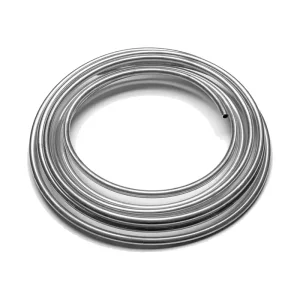
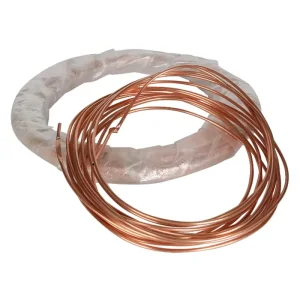
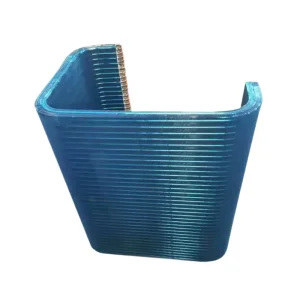
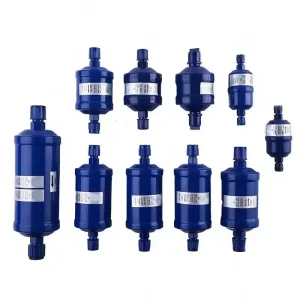
Seoul, together with its surrounding Gyeonggi metropolitan area, stands as one of the world's most sophisticated clusters for automotive engineering, commercial refrigeration, and consumer electronics. The presence of global powerhouses such as Samsung Electronics, LG Electronics, Hyundai Motor Group, and Kia Motors drives an ongoing demand for high-reliability components. Among these critical elements, the Bundy tube—specifically double-walled brazed low-carbon steel tubing—is essential for safe and efficient fluid transfer, heat exchange, and pressure containment systems.
Originally invented to serve the automotive industry's brake and fuel system requirements, modern Bundy tubes are widely utilized in refrigeration circuits, HVAC condensers, evaporators, and capillary systems. In Seoul's demanding industrial ecosystem, where strict safety regulations like the Korea Product Safety Act govern commercial applications, purchasing managers and engineering leads require structural materials that balance high pressure limits, thermal efficiency, and long-term corrosion resistance.
While South Korea hosts localized precision manufacturing capabilities, rising raw material costs and land constraints in the Seoul metropolitan area have prompted many domestic OEMs to adopt a collaborative supply model. High-capacity manufacturing operations, such as Ningbo Taojun Refrigeration Equipment Co., Ltd., have stepped in to provide a steady supply of high-precision refrigeration accessories and customized tubing components. By partnering with advanced Chinese factories, Korean assembly facilities can secure premium-grade Bundy tubes and heat exchange solutions that meet international standards (ISO 9001, UL, RoHS) at a highly competitive total cost of ownership (TCO).
A Bundy tube is manufactured by roll-forming a double-sided copper-plated steel strip into a double-wrapped tubular profile, followed by furnace brazing in a reducing atmosphere. This process bonds the overlapping steel walls, producing a tube with high mechanical strength, resistance to vibration fatigue, and structural integrity under high working pressures.
Standard Bundy tubes are prone to corrosion when exposed to aggressive atmospheric conditions or acidic refrigerants. Advanced manufacturers apply multi-tiered protective coatings to address these challenges:
For Seoul's HVAC systems, balancing mechanical strength with high heat conductivity is critical. Advanced steel strip roll-forming enables wall thickness tolerances down to ±0.02 mm, improving thermal transmission efficiency across condensers and evaporators.
To assist procurement managers and systems engineers, the following table details the key performance metrics of our high-pressure Bundy tubes compared to standard alternatives.
| Property / Metric | Ningbo Taojun Bundy Tubes | Standard Low-Carbon Tubes | Industry Compliance Standard |
|---|---|---|---|
| Base Material | SPCC / SPCD Low-Carbon Steel | Commercial Grade Mild Steel | ASTM A254 / JIS G3445 |
| Tensile Strength | ≥ 290 MPa (Typical: 310-340 MPa) | ≥ 260 MPa | DIN EN 10305-3 |
| Burst Pressure (4.76mm x 0.7mm) | ≥ 110 MPa (Up to 140 MPa) | ≥ 90 MPa | SAE J527 / ISO 4038 |
| Inner Surface Cleanliness | ≤ 0.15 g/m² (Refrigerant Grade) | ≤ 0.25 g/m² | AHRI Standard 700 / DIN 8964 |
| Salt Spray Resistance (PVF/Epoxy) | ≥ 1,000 Hours (No Red Rust) | ≥ 240 Hours | ASTM B117 / ISO 9227 |
| Wall Thickness Tolerance | ± 0.02 mm (High Precision Roll) | ± 0.05 mm | JIS G3141 Class A |
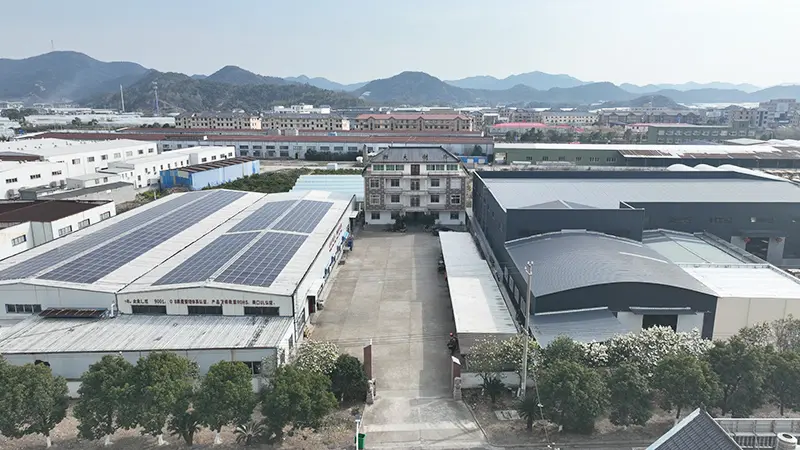
Founded in 1988 as the Xiangshan Refrigeration Accessories Factory of Zhejiang University, Ningbo Taojun Refrigeration Equipment Co., Ltd. has grown over more than three decades into a specialized provider of refrigeration components. Today, we are recognized as a national high-tech enterprise integrating design, development, production, and customer support.
Our facility utilizes advanced manufacturing technology, including core equipment imported directly from Germany, to produce filter driers, check valves, air conditioning valves, wire-on-tube condensers, and custom brass/copper components. Operating under ISO 9001:2015, EU RoHS, and US UL certifications, we focus on engineering quality to ensure reliability in every assembly.
Through our long-term supply partnerships with leading global brands—including Haier, Midea, Gree, Whirlpool, and Electrolux—we deliver reliable, scalable component solutions to dynamic commercial markets like Seoul.
In the highly competitive electronics and automotive manufacturing sectors, supply chain disruptions can lead to significant operational costs. China's industrial infrastructure offers a combination of raw material availability, manufacturing capacity, and integrated logistics. At Ningbo Taojun, we have built on these fundamentals by investing in smart factory initiatives to improve production reliability.
Our facility runs an integrated Manufacturing Execution System (MES) that tracks batch production from raw steel coil to finished tube assembly. This digital oversight ensures traceablity and consistent quality across production runs.
Our location in Ningbo offers direct access to high-grade local steel resources, reducing base material costs. Proximity to Ningbo-Zhoushan port allows for efficient transit to Incheon and Busan, minimizing lead times for customers in Seoul.
We combine automated inline eddy current testing with post-production inspection, using CCD optical sorting and high-sensitivity helium mass spectrometer leak detection to confirm structural seal integrity.
Our technical development team includes 15 dedicated engineers with backgrounds in mechanical engineering and materials science, supported by collaborative projects with institutions like the University of Science and Technology of China and Zhejiang University. This research foundation enables us to address specific customer requirements, from specialized tube bend configurations to high-pressure performance testing for eco-friendly refrigerants like R290 and R600a.
To ensure high standards of reliability, our manufacturing process incorporates multi-point quality inspections. These tests verify the performance of components destined for high-stress applications in South Korea's automotive and refrigeration industries.
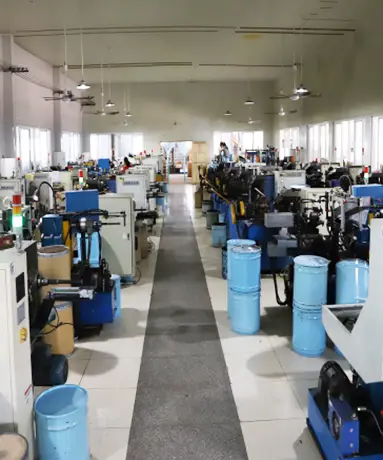
Steel strip cold-rolling and precision slitting under MES control to maintain thickness specifications before double-wrap forming.
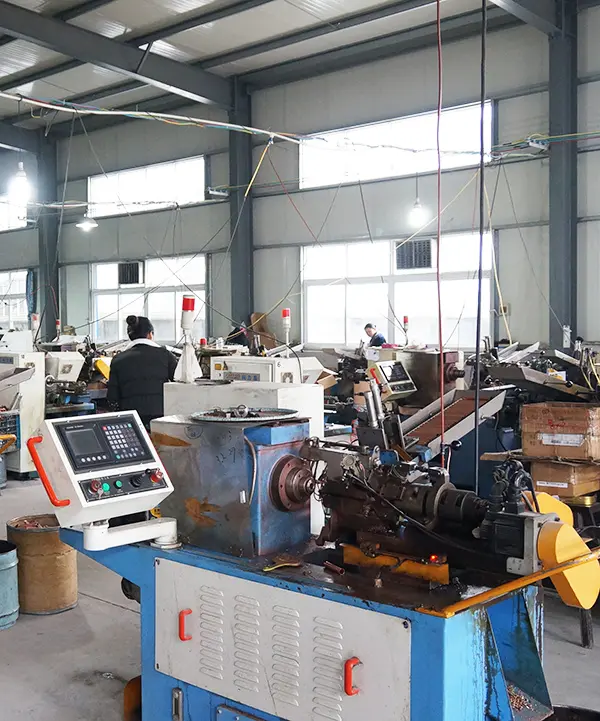
Controlled atmosphere brazing furnace operating above 1100°C to fuse the double steel walls with a uniform copper layer.
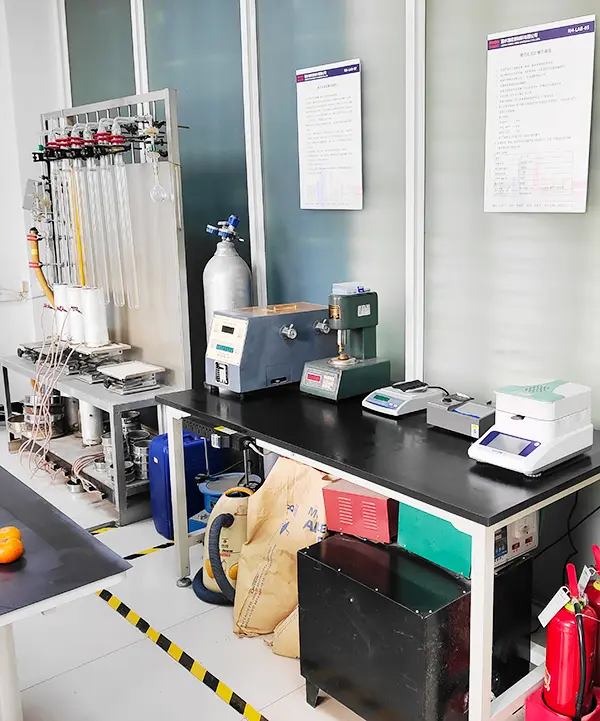
Helium leak mass spectrometry, tensile strength verification, and salt-spray testing to confirm component specifications before packaging.
As cooling demands shift toward smaller form factors and higher heat dissipation, standard off-the-shelf components may not meet specialized design envelopes. We work closely with our partners to provide customized OEM/ODM engineering services.
Whether your system requires single-flare, double-flare, bead locking, or custom CNC multi-bend configurations, our engineers use automated end-forming machinery to meet specified tolerances within ±0.05 mm.
Our design workflows are compatible with direct 3D CAD modeling (STEP, IGES, DWG), allowing for integration with your engineering design cycle.
We supply pre-assembled heat-exchanger modules combining copper capillary tubing, aluminum fins, and copper-coated Bundy tubes. These assemblies are designed to minimize interface resistance and improve cooling performance.
To prevent galvanic corrosion between dissimilar metals, we apply surface treatments and physical barriers that resist exposure to humidity and atmospheric salts.
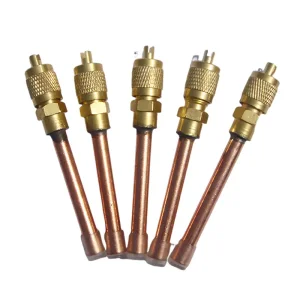
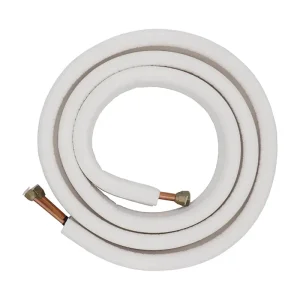
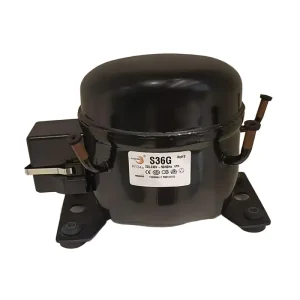
A wider selection of precision components designed to integrate with commercial HVAC, refrigeration, and fluid handling systems.
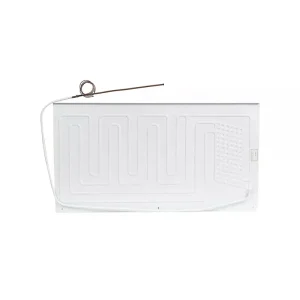
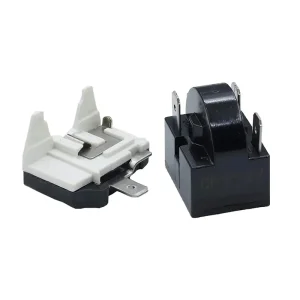
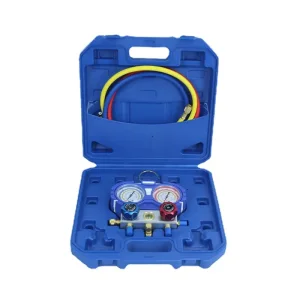
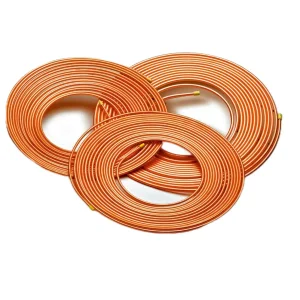
For procurement managers in Seoul and Gyeonggi province, sourcing products internationally requires meeting regional regulatory frameworks. Ningbo Taojun's manufacturing operations are aligned with these quality control and import requirements:
Our logistics processes support shipment management from Ningbo directly to Incheon or Busan ports. Standard trans-East-Asia ocean freight typical transit times range from 3 to 5 days, enabling predictable delivery schedules. We provide standard import documentation, including Certificates of Origin, Mill Test Reports (MTRs), and packing lists, to assist with customs clearance.
Partner with an experienced OEM/ODM manufacturer for your Bundy tube requirements. Contact our engineering team to review design specifications, technical compliance, and logistics options.
Send Inquiry NowTechnical and logistics answers for engineering and procurement professionals in the Seoul metropolitan area.
Single-walled tubes are made from a single steel strip formed into a tube and high-frequency welded at the seam. They are typically used for low-pressure applications like condenser coils.
Double-walled Bundy tubes are rolled from a copper-coated steel strip through 720 degrees of wrap, then copper-brazed in a reducing furnace. This design offers higher burst pressure limits and resistance to vibration fatigue, making them suitable for automotive brake lines and high-pressure refrigeration circuits.
We provide several surface treatments depending on application requirements, including external zinc electroplating (galvanizing) with chromate passivation, PVF (Polyvinyl Fluoride) coatings, or specialized epoxy coatings. These treatments are tested in salt spray chambers to verify corrosion resistance up to 1,000 hours without red rust formation.
Our manufacturing facility is ISO 9001:2015 certified, and our components comply with European RoHS and REACH standards. We provide Mill Test Certificates (MTRs) and structural testing reports to confirm compliance with South Korean environmental and pressure safety regulations.
Standard manufacturing lead times range from 15 to 25 days depending on design complexity. Shipping from Ningbo Port to Incheon Port takes approximately 3 to 5 days, offering a responsive supply chain for assembly operations in the Seoul Metropolitan Area.
 Taojun