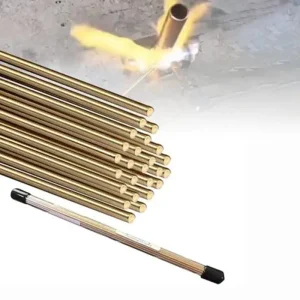
Explore our premier selection of factory-manufactured, high-performance HVAC components designed for zero-leakage durability.
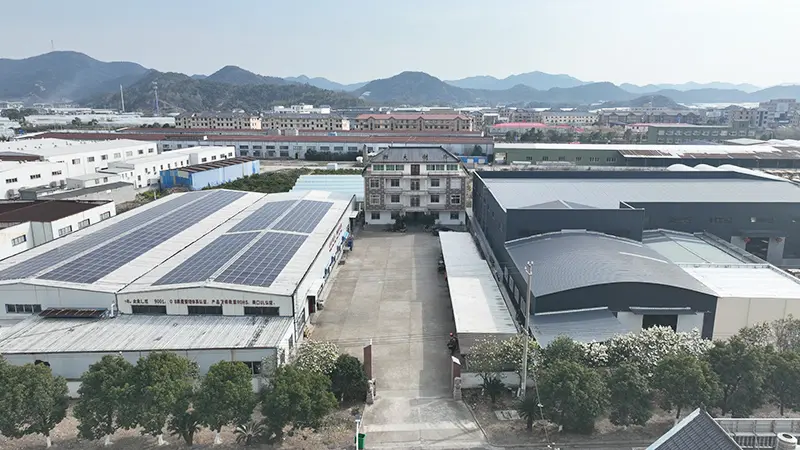
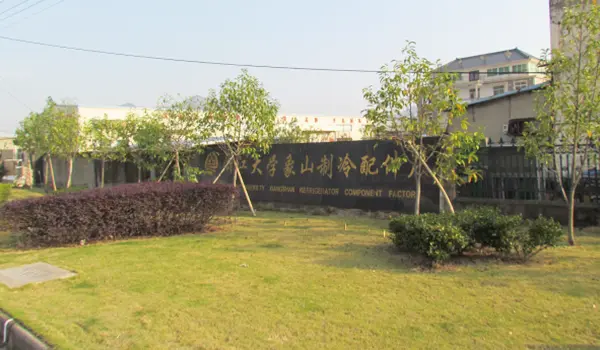
With over 35 years of dedicated specialization in refrigeration parts manufacturing, we are recognized globally as a national high-tech enterprise. Our strategic location in Xiangshan, Ningbo, equips us with efficient transport access to international logistics nodes, allowing us to seamlessly serve clients across Europe, the Americas, South America, Southeast Asia, and the Middle East.
We manage a comprehensive lifecycle service model, spanning independent R&D, precision toolmaking, high-output production, and robust after-sales technical consultancies. Our proprietary brand "Lingshan" has secured landmark reputation in China, while our OEM/ODM operations supply leading global appliance entities including Haier, Midea, Gree, Whirlpool, and Electrolux.
How regulatory standards and materials science drive next-generation HVAC/R components.
The phase-out of HCFCs and the transition toward natural refrigerants like propane (R290) and CO2 (R744) mandate refrigeration components that can handle elevated pressures and possess exceptional sealing integrity to prevent ignition or system loss.
Modern high-COP compressors are highly sensitive to particulate friction and internal acid accumulation. Advanced copper filter driers with optimized 3A desiccant matrices are critical to safeguarding capital assets from moisture ingress.
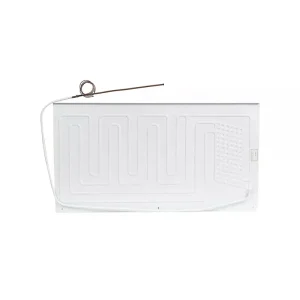
Hybrid configurations incorporating low-carbon steel Bundy tubes and aluminum roll-bond evaporators are replacing pure copper networks to reduce raw material dependency while sustaining thermodynamic heat rejection efficiency.
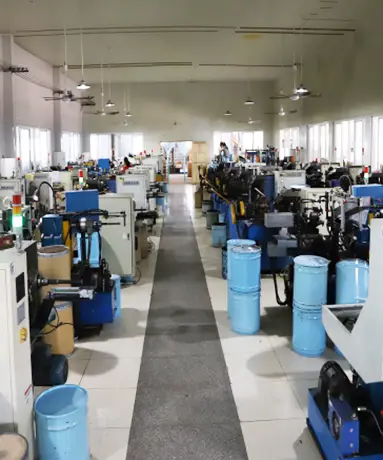
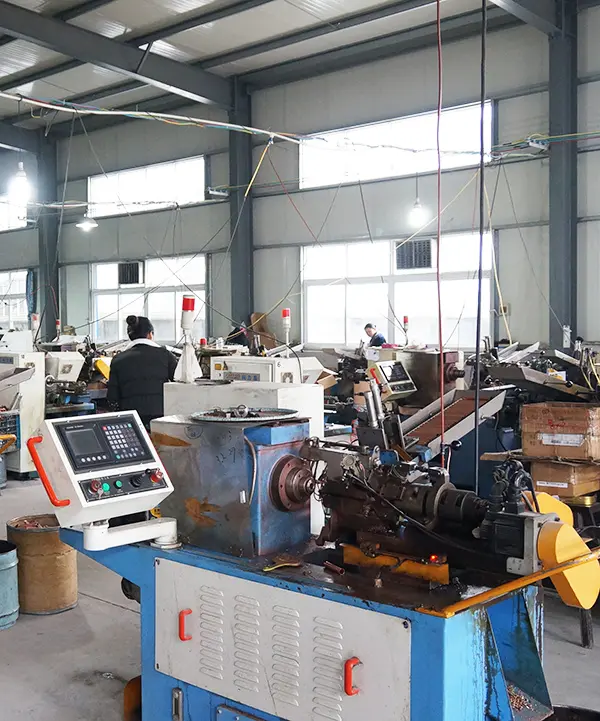
Experience our precision-manufacturing workflows live. Ningbo Taojun utilizes fully automated extrusion lines, robotic copper bending mechanisms, and high-frequency automated welding stations. Every step is logged within our unified MES (Manufacturing Execution System) to guarantee absolute batch-to-batch tracking capabilities.
How our technical infrastructure mitigates systemic sourcing challenges for commercial OEM groups.
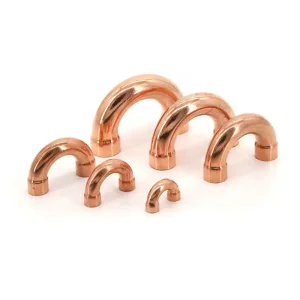
We solve integration failures by supplying customized copper U-bends, manifolds, and drying filters tailored to exact spatial blueprints. Tolerances are held strictly within ±0.02mm limits.
Our collaborative model with Zhejiang University and a R&D engineering pool composed of doctors and postgraduates from the University of Science and Technology of China (USTC) gives us the expertise to resolve fluid dynamics challenges.
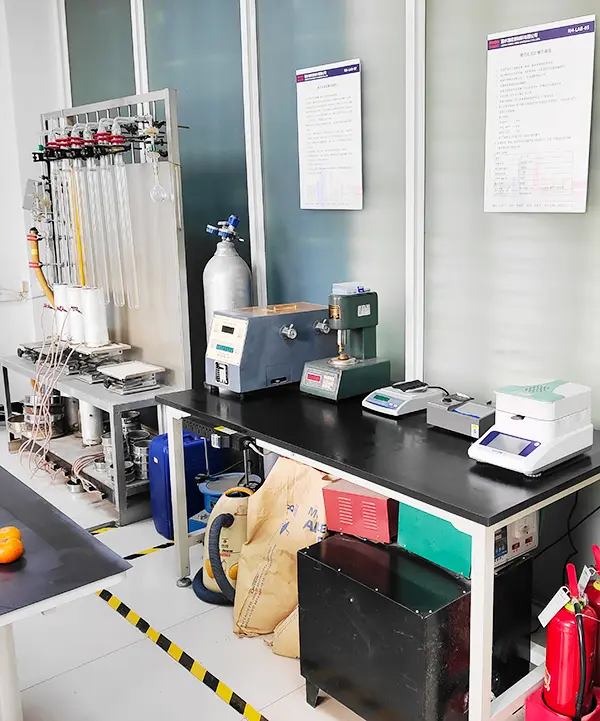
Every batch undergoes thermal shock testing between -35°C and 75°C for 500 hours, followed by extreme high-pressure helium leak tests. We maintain a verified defect index below 0.05%.
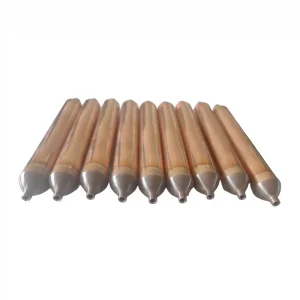
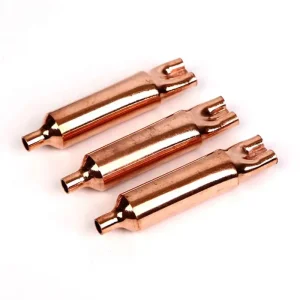
The copper filter drier functions as the purification lung of a commercial compressor circuit. By filtering and trapping residual moisture, solid particulates, and chemical acids, it prevents blockages in capillary tubes and controls wear in reciprocating parts.
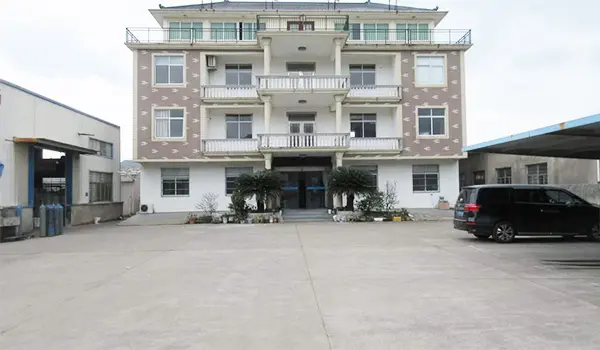
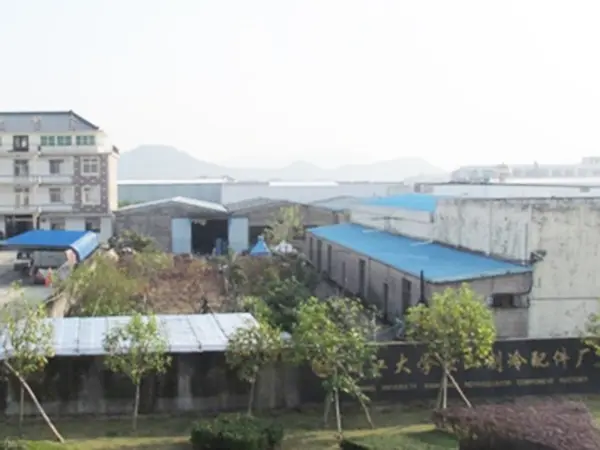
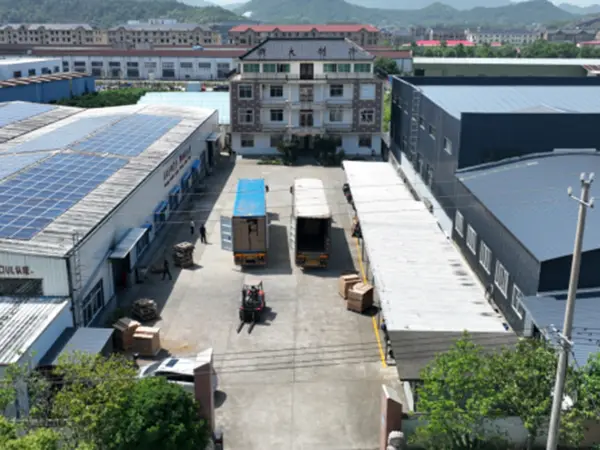
Decades of operational scale, growing from a regional workshop to an industrial technological powerhouse.
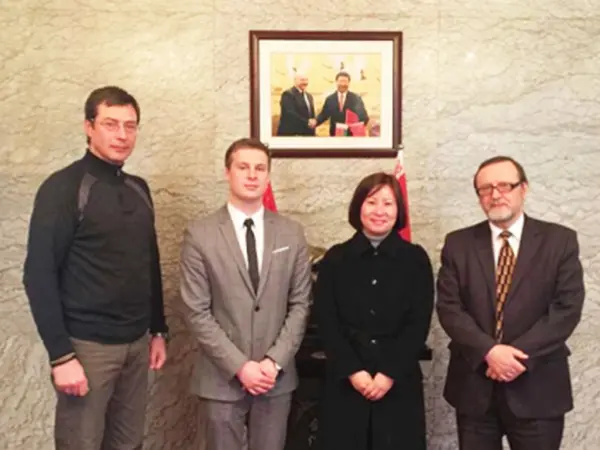
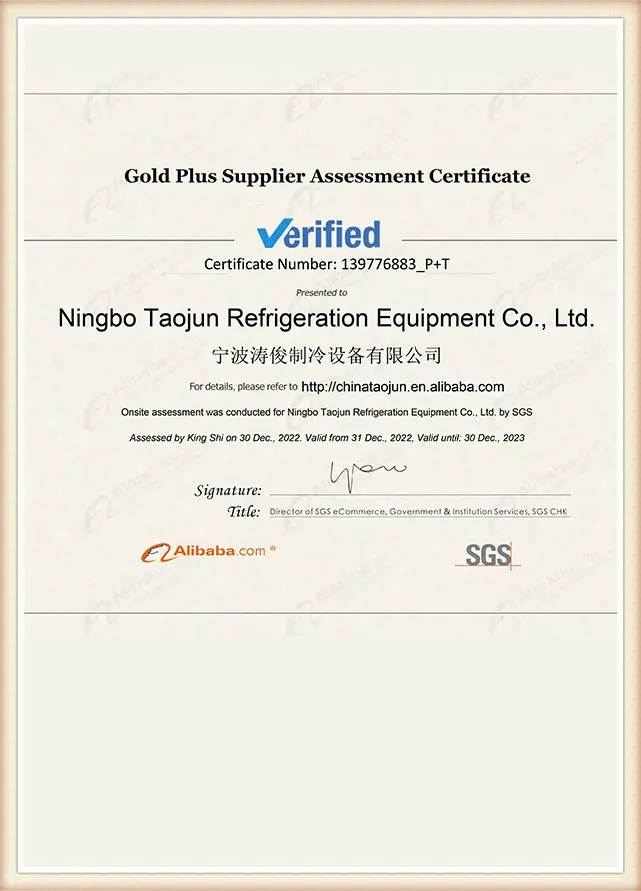
Ensuring complete peace of mind through strict compliance, standard validation, and certified processes.
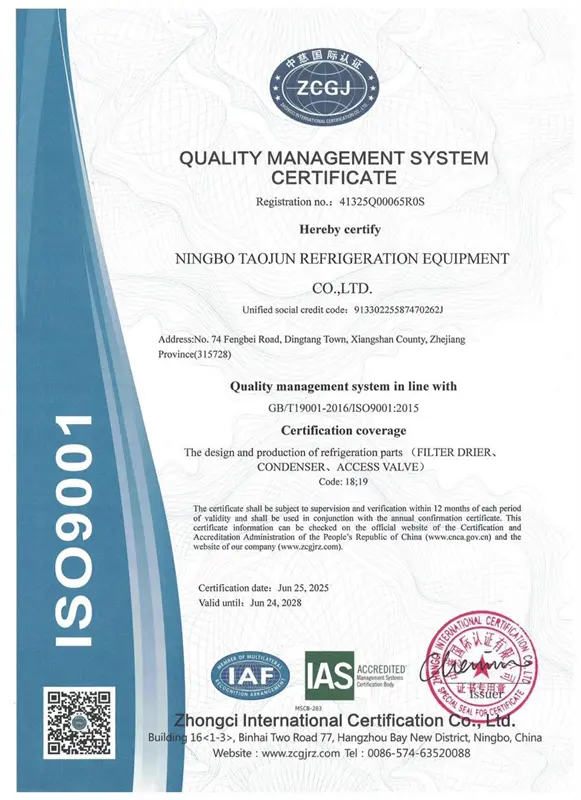
GB/T19001-2016 / ISO9001:2015
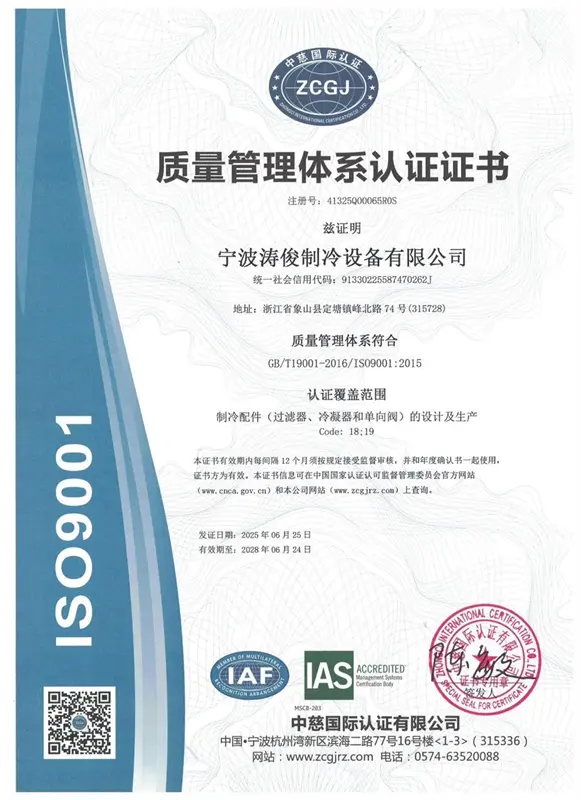
ISO Scope of Certification
UL Compliance Stamp
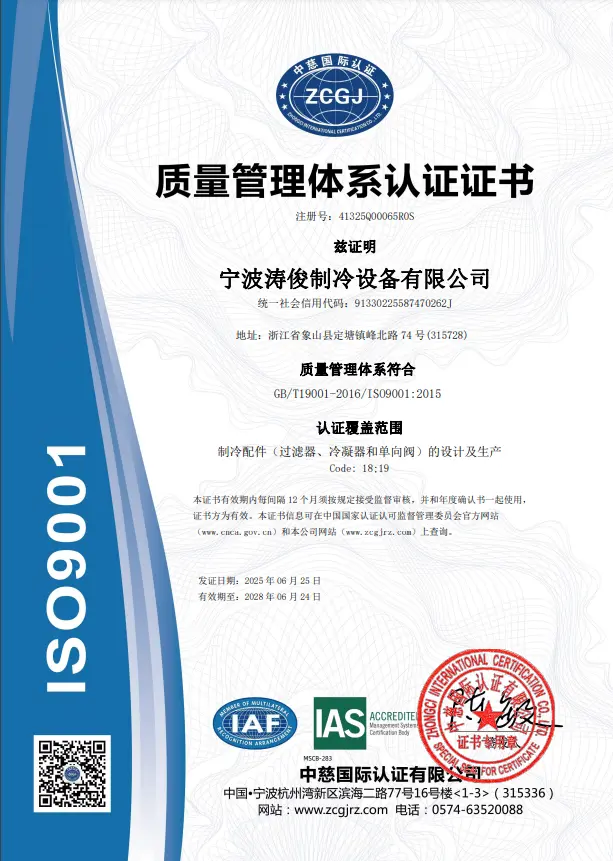
EU RoHS Directive Approval
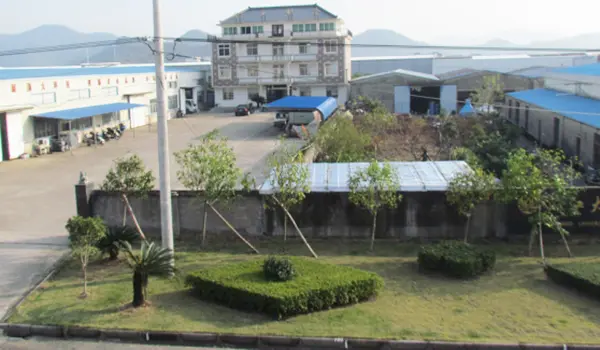
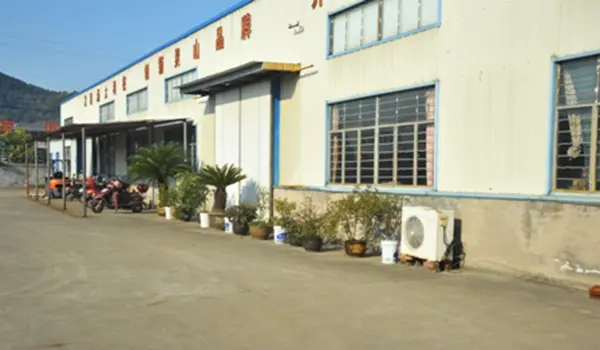
A visual tour through Ningbo Taojun's heavy fabrication units, testing labs, and robotic welding stations.
In modern refrigeration cycles, thermodynamic stability relies heavily on component engineering. Sourcing partners face critical micro-level questions regarding metallurgy, chemical compatibility with next-gen HFOs, and long-term mechanical reliability under thermal cycling.
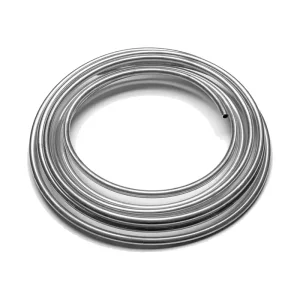
Double-walled copper-brazed steel tubing, commonly known as Bundy tubing, is widely used in residential condenser networks. The manufacturing process involves cold-rolling a copper-coated steel strip by 720 degrees to create a double-walled pipe.
This design delivers superior tensile strength and fatigue life compared to standard copper, allowing for thin wall designs that still handle high operational pressures. This makes it an ideal, cost-effective option for stationary condenser applications, while copper remains the standard for high-flexibility evaporative sections.
The pore configuration of molecular sieve materials within copper filter driers dictates system dryness. Our molecular sieve configurations utilize a 3A crystal structure with a nominal pore size of 3 Angstroms.
Since water molecules are roughly 2.8 Angstroms in size, they are readily absorbed into the sieve's internal cavities. In contrast, standard refrigerant molecules (such as R134a, R600a, or R290) are larger than 3 Angstroms and bypass the sieve structure entirely. This selective absorption design prevents chemical breakdown of the refrigerant and optimizes overall system performance.
Detailed answers to complex HVAC/R engineering and procurement queries.
A 3A molecular sieve has a pore opening of approximately 3 Angstroms, which is ideal for selectively absorbing water molecules (2.8 Å) while excluding refrigerant molecules like R134a, R600a, or R290.
A 4A molecular sieve, on the other hand, has a 4 Angstrom pore size. This larger opening allows it to co-absorb certain refrigerants, leading to potential desiccant breakdown and chemical decay. For this reason, 3A molecular sieves are the standard for maintaining long-term reliability in HVAC/R systems.
We implement a multi-stage quality control process:
Our Bundy tubes are manufactured from premium low-carbon steel (SPCC) with a double-sided copper coating of at least 3μm.
This combination provides the strength and ductility needed for precise CNC bending and shape formation, while also offering excellent corrosion resistance for high-humidity environments.
This academic partnership allows us to apply advanced thermodynamic modeling and computational fluid dynamics (CFD) to our design process.
This helps optimize internal flow paths, reduce pressure drop, and improve heat transfer efficiency in our custom condensers and evaporator coils.
We offer full support for custom dimensions with low MOQ thresholds (starting at 500 units). Our engineering team can translate your CAD/3D drawings into manufacturing specifications and provide prototype samples within 7 to 10 working days.
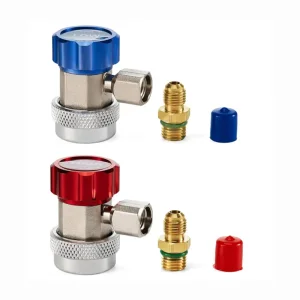
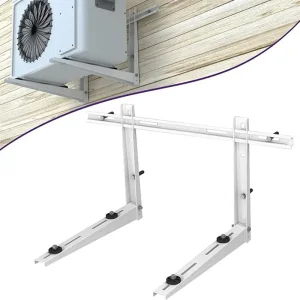
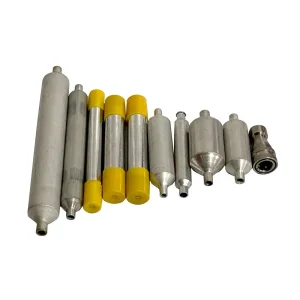
Premium components, connectors, and mounting accessories for domestic and commercial HVAC/R installations.
 Taojun