 Taojun
Global Commercial & Industrial Status of Drier Strainers
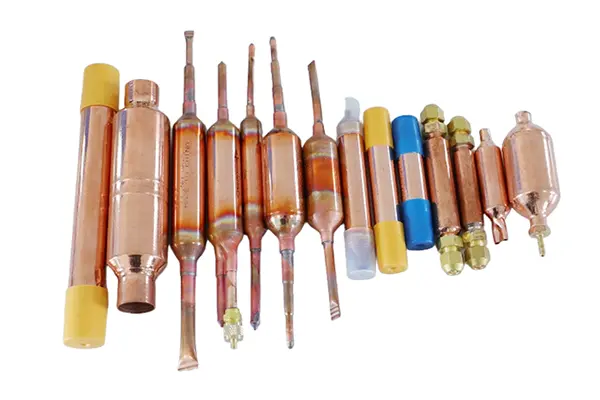
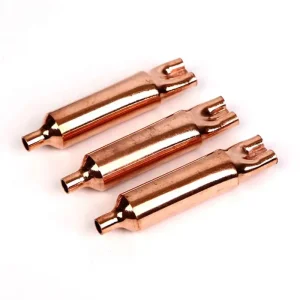
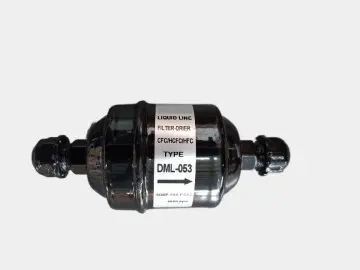
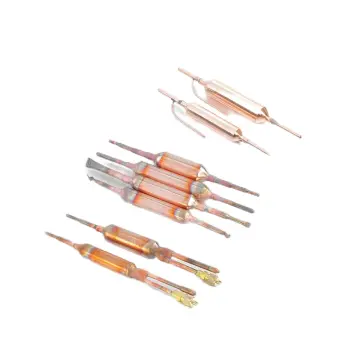
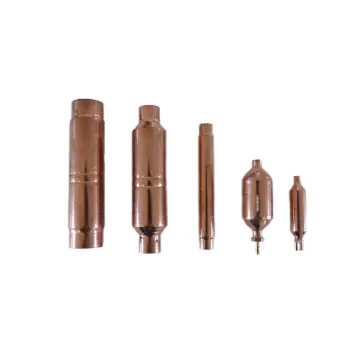
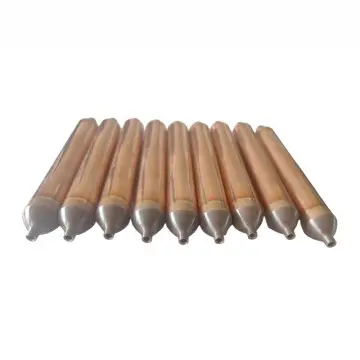
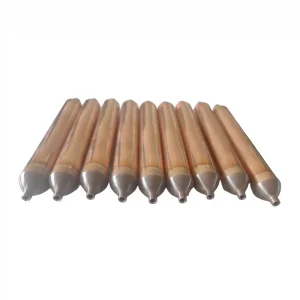
In contemporary refrigeration engineering, the liquid line filter drier is critical to system longevity and peak thermal performance. A modern refrigeration cycle is highly susceptible to microscopic contaminants. High-performance drier strainers prevent capillary tube freeze-ups and internal compressor corrosion by aggressively removing moisture, acids, and solid particulate matter.
Globally, the demand for highly efficient copper filter driers has risen exponentially. This growth is driven by the rapid expansion of global cold chains, commercial refrigeration infrastructures, and the growing transition to variable refrigerant flow (VRF) residential HVAC systems. High-purity copper-body drying filters are preferred due to their superior thermal conductivity, natural corrosion resistance, and excellent compatibility with brazing alloys used during field installation. Standardizing global specifications (such as compliance with the EU RoHS and United States UL standards) ensures these critical components withstand high system pressures under varying operational conditions.
Major Industry Trends: Low-GWP Transitions and Advanced Molecular Sieves
The refrigeration industry is undergoing a structural shift toward green transition fluids with low Global Warming Potential (GWP), such as R-290 (propane), R-32, and R-744 (CO₂). These next-generation refrigerants present distinct physical challenges:
Pore-Size Selectivity
Using 3A molecular sieves prevents the co-adsorption of refrigerant molecules, focusing entirely on capturing water molecules (2.8Å diameter).
POE & PAG Compatibility
Synthetic lubricants used with HFOs are highly hygroscopic, meaning they absorb moisture quickly and hydrolyze into harmful acids. This requires driers with integrated activated alumina to neutralize acids.
Burst Pressure Performance
Modern refrigerants operate under significantly higher working pressures (especially R744/CO₂), demanding robust shell integrity and thicker copper walls.