Explore our high-performance components manufactured for critical HVACR and plumbing applications.
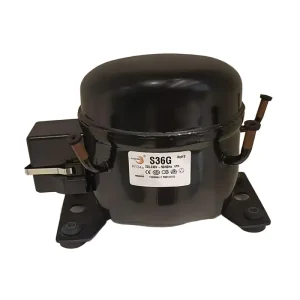
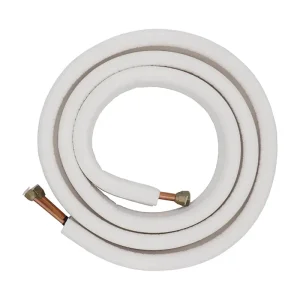
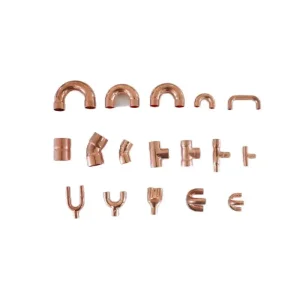
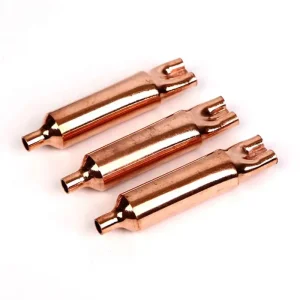
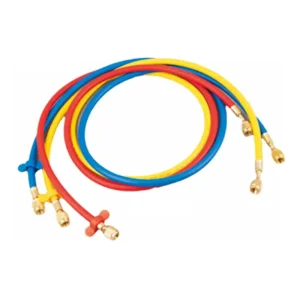
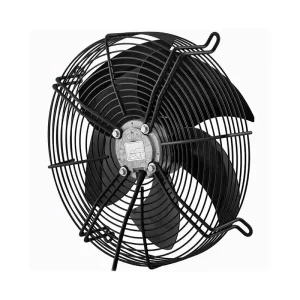
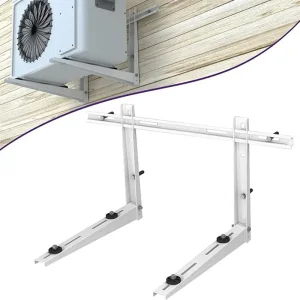

Brazing is a thermal joining process that coalesces metals by heating them to a suitable brazing temperature above 840°F (450°C) and below the solidus of the base metals. It relies on the capillary action of a filler metal to distribute itself throughout the joint gap. In critical industrial applications, particularly refrigeration, air conditioning, and aerospace engineering, the molecular integrity of brazed joints determines the service life and leakage resistance of the entire system.
Choosing a premier, certified brazing materials supplier is not merely a procurement decision; it is a fundamental pillar of safety and product longevity. As a key global manufacturer, Ningbo Taojun Refrigeration Equipment Co., Ltd. has developed specialized solutions combining metallurgy, chemistry, and mechanical engineering to support global supply chains since 1988.
"In HVAC systems, over 85% of leakages occur at connection joints. High-purity brazing materials with precise chemical ratios (such as phosphorus-copper and silver-copper alloys) ensure minimal shrinkage and zero porosities, establishing a robust hermetic seal."
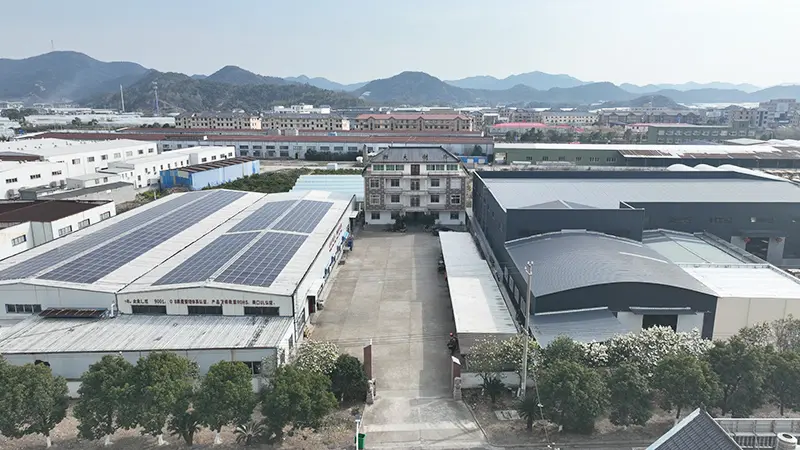
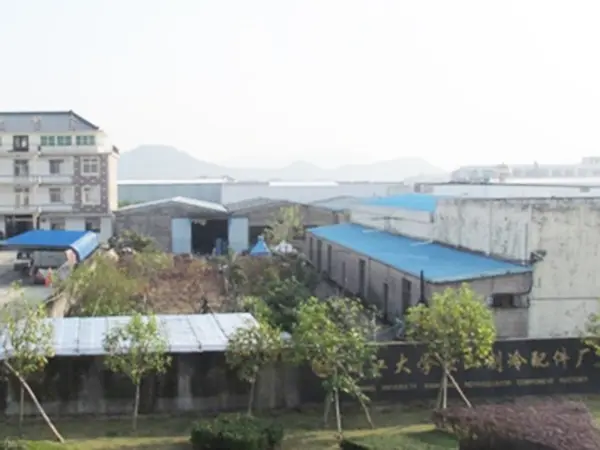
Ningbo Taojun Refrigeration Equipment Co., Ltd. is located in Xiangshan, Ningbo, a historic and economically vibrant coastal region. Founded in 1988, our roots trace back to the prestigious Xiangshan Refrigeration Accessories Factory of Zhejiang University. This academic heritage has provided us with a continuous stream of metallurgical research, enabling us to bridge the gap between academic innovation and mass production.
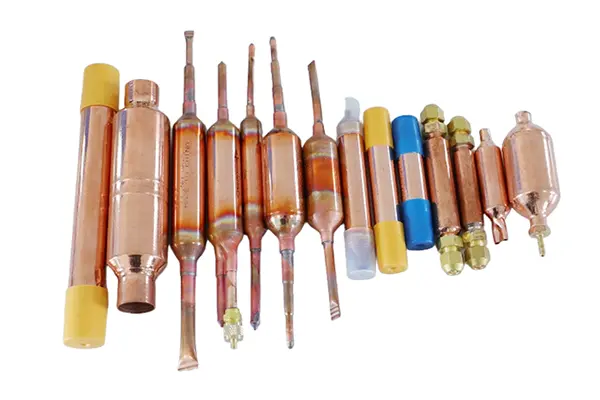
Over the course of 30+ years, Taojun has grown into a high-tech enterprise integrating design, development, high-precision manufacturing, and global distribution. We specialize in producing filter driers, check valves, refrigeration valves, condensers, brass and copper accessories, and specialized brazing materials. In 2021, Taojun was recognized as a National High-Tech Enterprise in China—a testament to our continuous investment in automated processing, MES-driven production lines, and quality control.
China has solidified its position as the primary global hub for brazing material production due to several strategic, logistical, and technical advantages:
Engineered for high-purity brazing operations, our processing plant implements rigorous verification protocols.
Our core production machinery is imported directly from Germany, ensuring precise extrusion ratios and zero internal structural voids.
Our collaborative R&D center houses 15 senior research engineers, including doctors and postgraduates from the University of Science and Technology of China.
We support fully customizable formats, shapes, and chemical formulations to fulfill specific temperature and fluidity specifications.
Continuous thermal shock testing from -35°C to 75°C for 500 hours combined with active helium mass spectrometer leak detection ensuring zero leakage.
Complies directly with RoHS and REACH regulations, eliminating cadmium and toxic heavy metals to ensure green assembly paths.
Strategic export location near Ningbo Port ensures streamlined customs and direct delivery to overseas clients in over 50 countries.
As the international HVACR market moves toward low-GWP (Global Warming Potential) refrigerants, the operating temperatures and system pressures of newer refrigeration circuits have increased significantly. For instance, carbon dioxide (R744) refrigeration loops operate at pressures up to 10 times higher than classic R22/R134a systems. This transition shifts the performance demands placed on brazing materials.
Consequently, wholesale buyers must align their procurement with suppliers who offer alloy variations that guarantee high shear strength, fatigue resistance, and microstructural consistency. Modern brazing materials must undergo refined testing to ensure zero degradation when exposed to alternative polyester (POE) or polyalkylene glycol (PAG) lubricants under high thermal conditions.
Depending on the base metals being joined (e.g., copper-to-copper, copper-to-brass, or copper-to-steel), metallurgical engineers select distinct alloy variations. In copper-to-copper joints, phosphorus acts as a self-fluxing agent, avoiding the necessity of external chemical fluxes. However, when brazing copper to steel, silver-rich filler metals with external flux are imperative to prevent brittle intermetallic compounds from forming.
| Alloy Classification | Ag % (Silver) | P % (Phosphorus) | Cu % (Copper) | Melting Range (Solidus - Liquidus) | Primary Application Scenario |
|---|---|---|---|---|---|
| BCuP-2 (Phos-Copper) | 0% | 7.0 - 7.5% | Balance | 710°C - 800°C | Standard copper pipe HVAC installations (self-fluxing) |
| BCuP-3 (Ag-Phos-Copper) | 1.8 - 2.2% | 5.8 - 6.2% | Balance | 645°C - 795°C | Dynamic refrigeration lines subject to light vibration |
| BCuP-5 (Ag-Phos-Copper) | 14.5 - 15.5% | 4.8 - 5.2% | Balance | 645°C - 700°C | High-vibration compressors, industrial chillers |
| BAg-7 (Silver Brazing) | 55 - 57% | 0% | Balance + Zn/Sn | 620°C - 650°C | Copper to stainless steel joints, food processing equipment |
Ningbo Taojun Refrigeration Equipment Co., Ltd. does not just supply individual items; we provide integrated engineering packages for major industrial segments:
A history built on industrial integration and consistent focus on quality control.
Founded as the Xiangshan Refrigeration Accessories Factory of Zhejiang University, setting our technical foundation.
Integrated the MES intelligent workshop management system, tracking raw material heats from procurement to finished product shipping.
Formally established Ningbo Taojun Refrigeration Equipment Co., Ltd., launching our trademarked "Taojun" refrigeration brand.
Officially certified as a National High-Tech Enterprise, passing comprehensive evaluations on patent portfolios and quality structures.
We maintain an audited quality assurance infrastructure, backed by our official GB/T19001-2016/ISO9001:2015 certification (Registration No.: 41325Q00065R0S). This verification extends across the entire manufacturing scope of filter driers, copper condensers, access valves, and customized brazing structures.
Our raw materials (ITO films, liquid crystal elements, molecular sieves, and copper rods) are evaluated before entering our production cleanrooms. By utilizing spectrometer alloy analysis, we guarantee that the material composition of every batch of brazing rods aligns precisely with international standard margins.
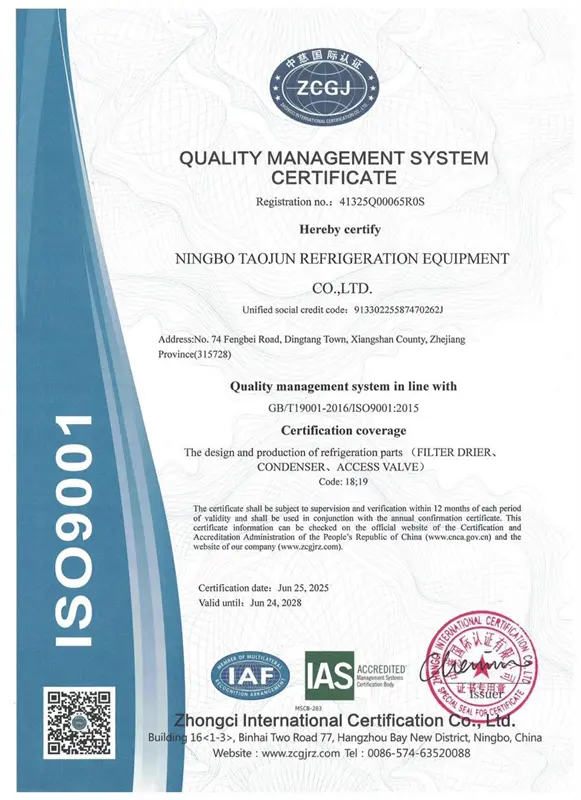
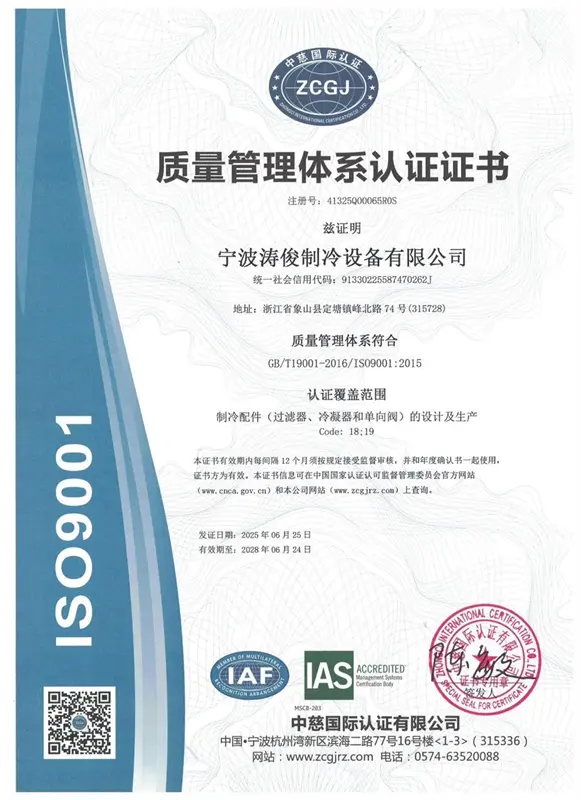
Our ISO-certified facilities utilize continuous automated loops to prevent errors from reaching the end user:
| Spectroscopy Analysis | ICP-OES analysis determines exact elemental fractions of trace metals (Ag, P, Sn, Cd, Pb). |
| Dimensional Check | Laser micrometers maintain a ±0.02mm tolerance for copper rods and preform rings. |
| Atmospheric Bake-out | Removal of hydrogen and trace hydration moisture inside baking ovens prior to packaging. |
| Helium Mass Testing | Active vacuum chamber gas leak testing to ensure absolute hermetic seals. |
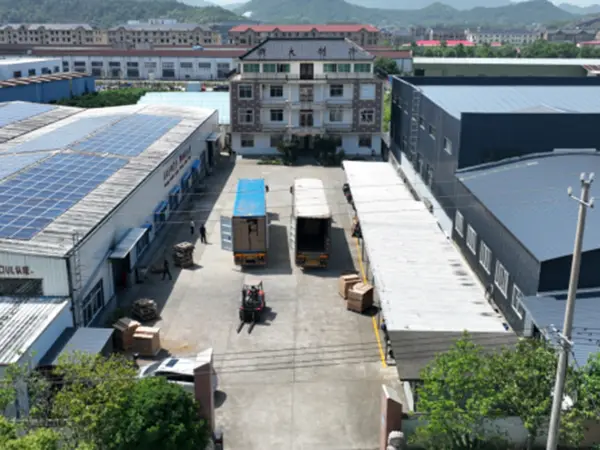
A transparent look inside our production facilities, testing laboratories, and warehouses.
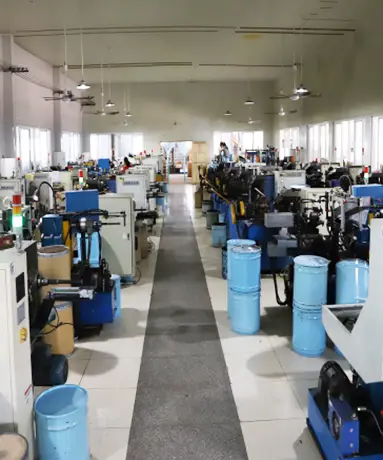
Equipped with high-speed automated winding and cutting systems, keeping output consistent while cutting manual handling errors.
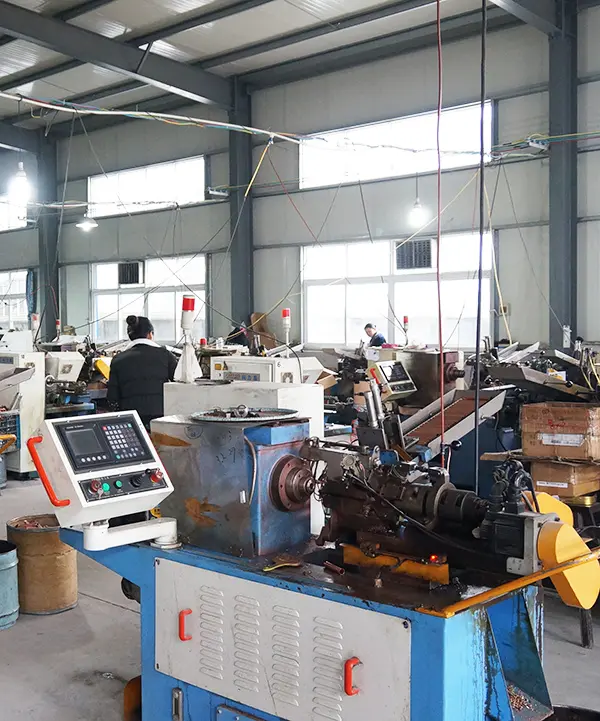
Extruding high-purity copper components and filtering drier shells with consistent wall-thickness and precise dimensions.
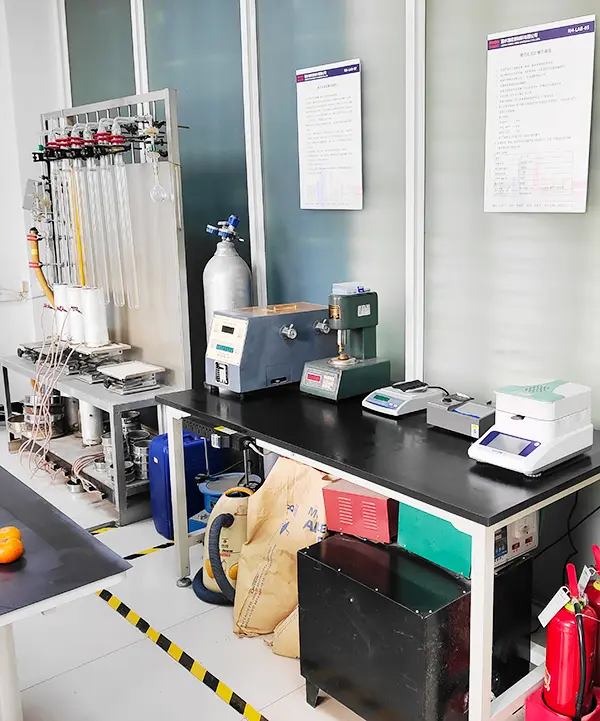
Using testing equipment to run pressure limit trials, thermal shock sequences, and structural fatigue evaluations.
Technical guidance and answers to common procurement questions from global engineering projects.
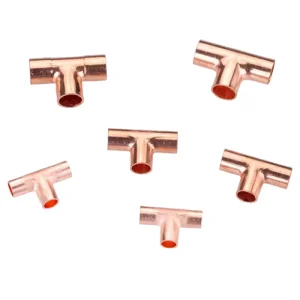
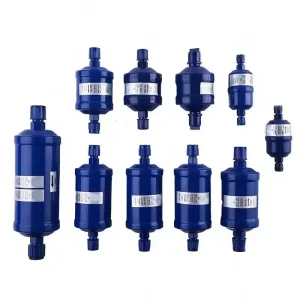
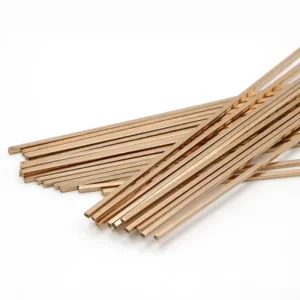
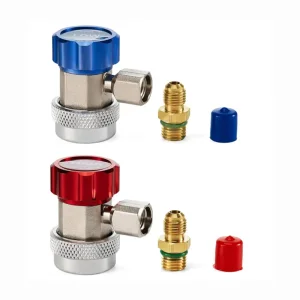
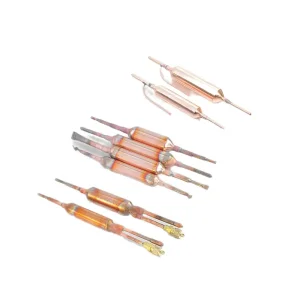
Complete your supply chain with our range of copper tee pipes, filter driers, and charging hoses.
 Taojun