Premium OEM/ODM manufacturing solutions engineered for global compliance, durability, and leak-free reliability.
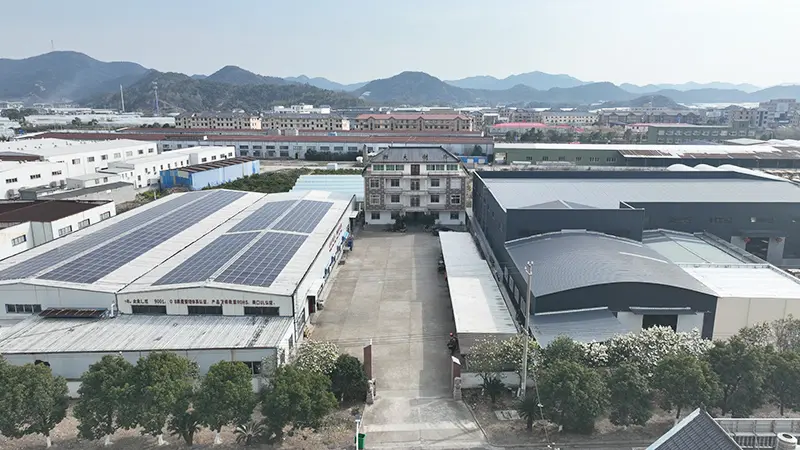
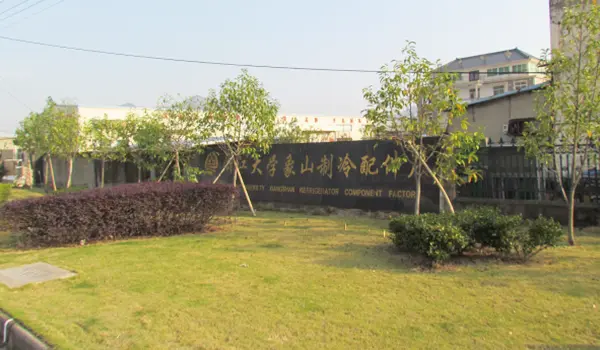
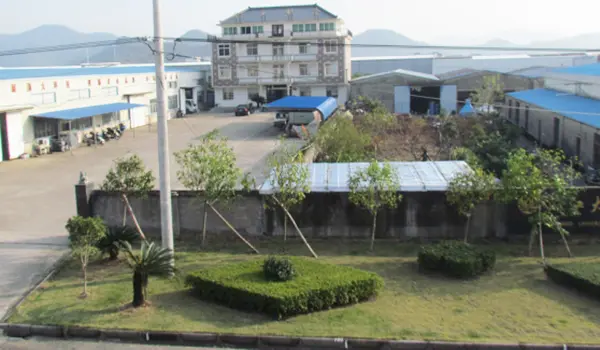
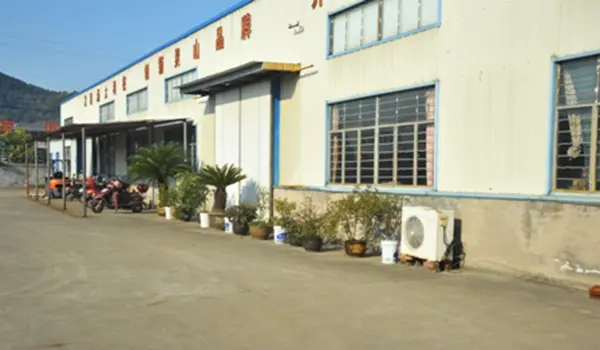
Ningbo Taojun Refrigeration Equipment Co., Ltd. is located in Xiangshan, Ningbo, a prominent coastal manufacturing hub. Founded in 1988, our predecessor was the Xiangshan Refrigeration Accessories Factory of Zhejiang University. Over more than three decades, our company has evolved into a national high-tech enterprise specializing in refrigeration parts, including short flare nuts, filter driers, check valves, air conditioning valves, and precision brass fittings.
Our commitment to rigorous design, advanced automation, and premium material selection has established our trademarked brand as a standard of reliability in the domestic and global HVAC/R sectors. By adhering to international frameworks, we have secured ISO9001:2015, EU RoHS, and UL certifications, verifying our capability to meet the requirements of leading brands such as Haier, Midea, Gree, Whirlpool, and Electrolux.
An engineering analysis of material integrity, stress profiling, and leak containment within high-pressure HVAC/R and automotive systems.
Short flare nuts are crucial components in HVAC/R and automotive fluid systems, designed to secure flared tubing profiles to corresponding male fittings. Operating under standards such as SAE J513, these connectors rely on mechanical compression to establish a metal-to-metal seal without the need for elastomeric O-rings. The design uses a 45-degree flare angle that, when compressed by the flare nut, deforms slightly against the mating nose of the fitting to create a gas-tight seal.
Our short flare nuts are engineered to manage torque transfer during installation. The shorter thread profile reduces weight and space requirements, making them suitable for compact valve blocks, automotive manifold installations, and split air conditioning systems. However, the reduced thread engagement length demands precise thread geometry and consistent material tensile strength to prevent stripping under high torque loads.
The performance of a flare connection depends heavily on the alloy used. We produce our short flare nuts from high-grade brass, such as C3604 and Lead-Free Brass (HPb59-1 equivalents), ensuring resistance to stress corrosion cracking (SCC) caused by ammonia trace atmospheres and moisture. Under tight torque specifications, lower-grade brass can suffer from dezincification and cracking along the crystal grain boundaries. Our forging and stress-relieving heat treatments refine the grain structure, providing high tensile strength and allowing the nut to withstand pressures exceeding 500 PSI.
Our short flare nuts are utilized globally in diverse systems:
Integrating high-tech automation, specialized material selection, and rigorous quality control protocols.
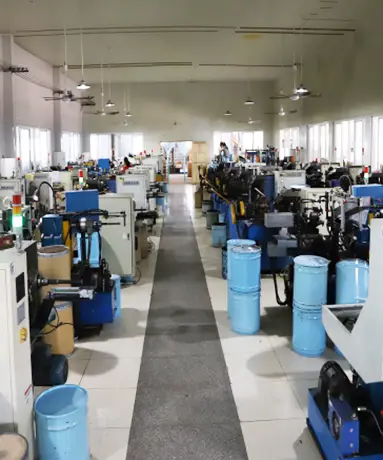
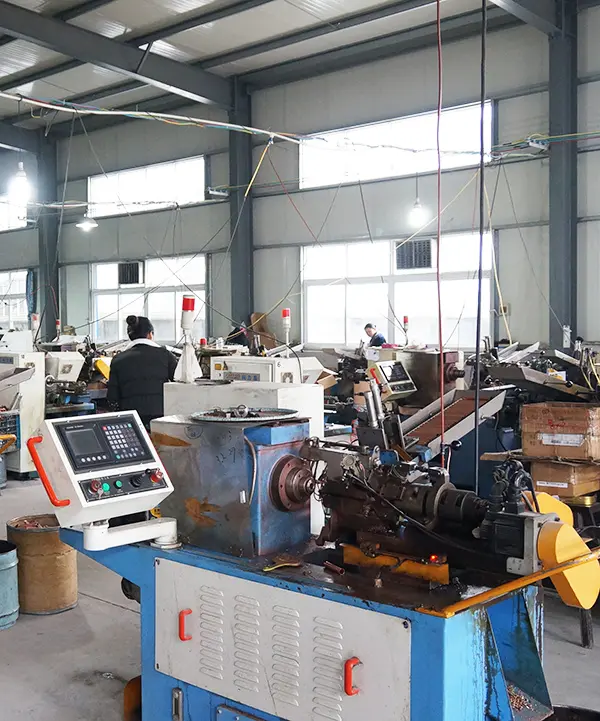
Our core production lines integrate German technology, utilizing multi-axis CNC machines and automated thread-rolling systems to ensure consistent concentricity and thread profiles across large batches.
Our engineering center operates in collaboration with researchers from the University of Science and Technology of China (USTC) and Zhejiang University, focusing on structural reliability and material performance.
We provide tailormade engineering solutions, adjusting thread designations, material formulations, and geometry configurations to meet specific application requirements.
We utilize Japanese-sourced liquid crystal spacers and ITO films in specialty lines, maintaining high-temperature resistance and zero-breakdown electrical profiles under 100V high-voltage stress tests.
Our brass processing lines adhere strictly to RoHS, REACH, and WEEE directives, minimizing lead discharge and supporting global sustainability initiatives.
To verify the sealing integrity of our flare connections, our quality control procedures include mass spectrometer helium leak testing to ensure leak rates remain below 1x10⁻⁷ mbar·l/s.
A trajectory of technical capability, manufacturing expansion, and quality management upgrades since 1988.
Adapting connection design to the development of low-GWP refrigerants, smart leak detection, and advanced metallurgy.
The HVAC/R industry is shifting toward low Global Warming Potential (GWP) refrigerants, such as R32, R290 (propane), and CO2 (R744). These refrigerants require modified operating conditions. For example, R744 systems operate at pressures exceeding 1,500 PSI, demanding flare connections with higher yield strengths. Our future roadmap focuses on utilizing brass alloys with tensile strengths over 450 MPa and refining thread profiles to prevent deformation at high pressures.
Corrosion-resistant plating is essential for outdoor condenser installations. Our current research centers on eco-friendly, nickel-free zinc-nickel alloy platings. This coating provides over 1,000 hours of salt spray test resistance while maintaining thin coating tolerances, ensuring standard thread engagement is unaffected.
To ensure long-term durability in high-vibration applications, such as transport refrigeration and automotive systems, we perform thermal shock and mechanical vibration fatigue testing. Our test protocols cycles connectors between -40°C and 120°C while subjecting them to multi-axis mechanical vibrations to confirm connection stability.
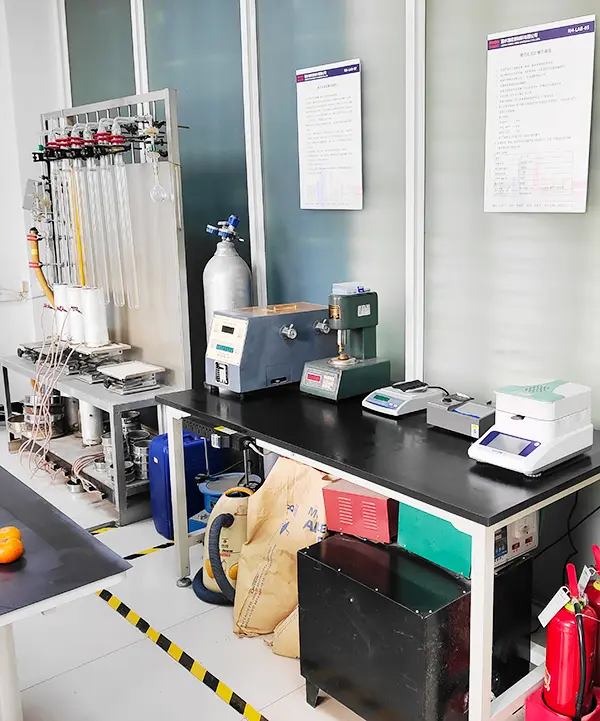
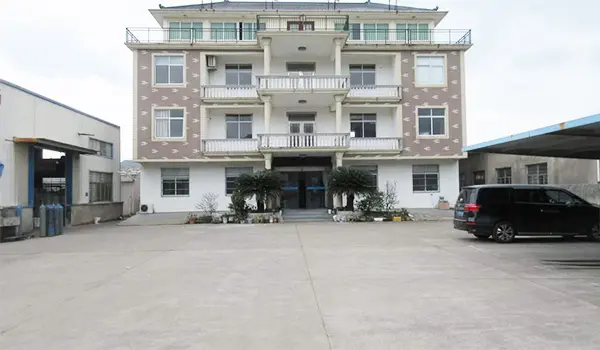
Ningbo Taojun operates a quality management system certified to global standards for consistent product reliability.
Our production facilities utilize a 5D quality control system, integrating optical camera verification and automated thread-checking sensors to inspect dimensions in real-time. This process minimizes the risk of dimensional variations reaching assembly lines, supporting efficient OEM and ODM installations.
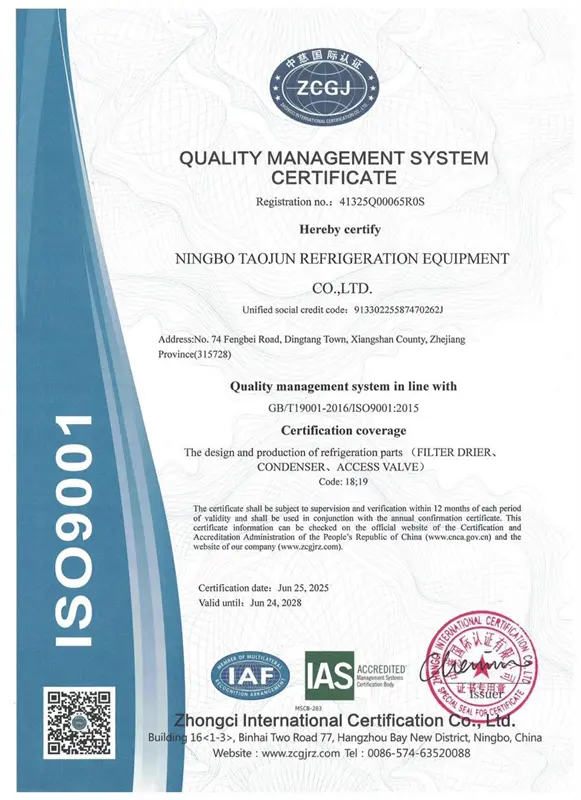
ISO 9001 Certificate
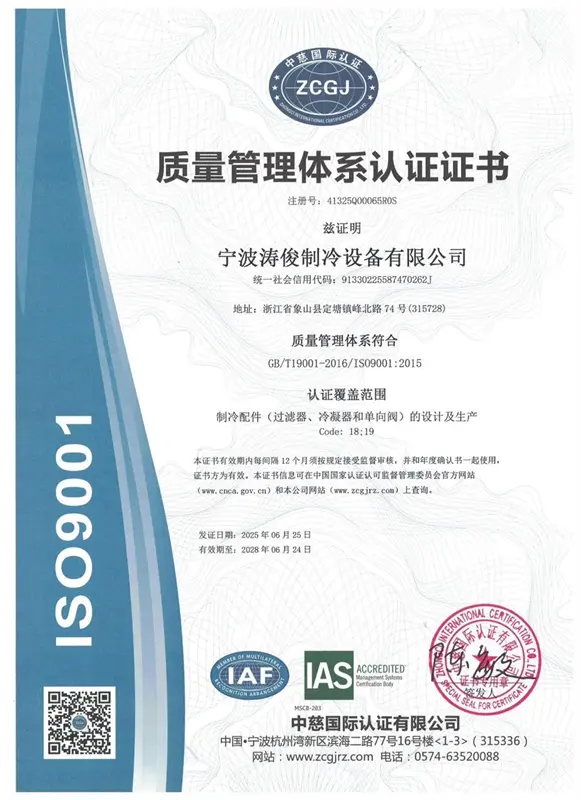
Scope Certification
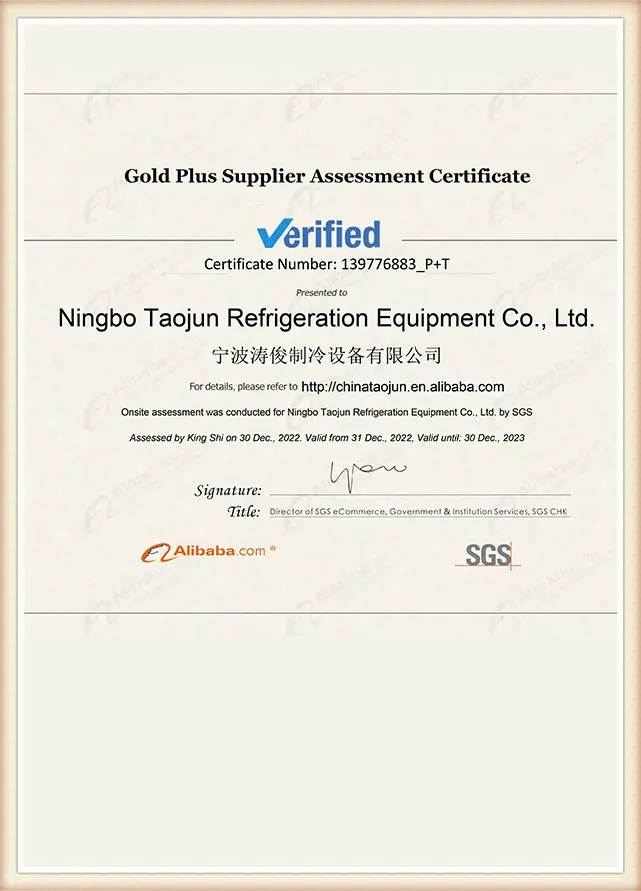
RoHS Certification
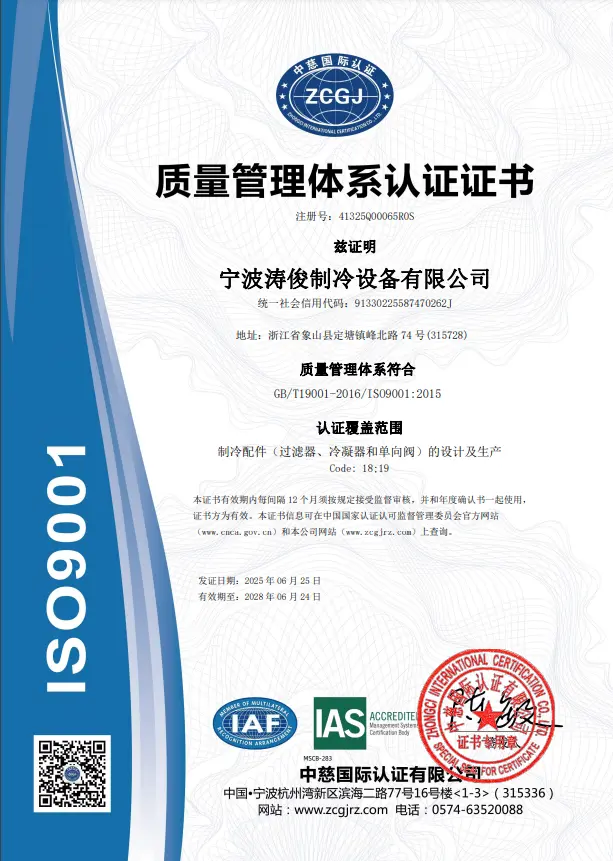
UL Certification
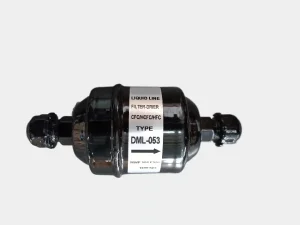
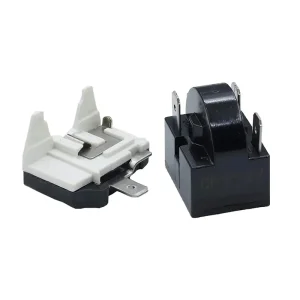
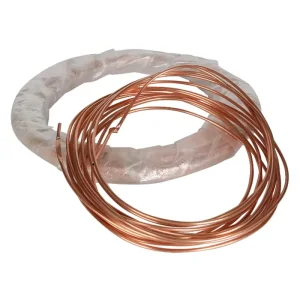
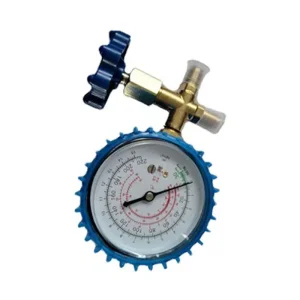
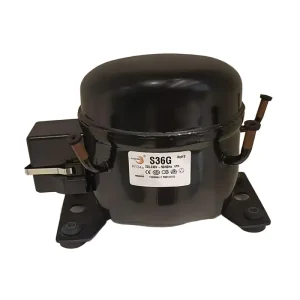
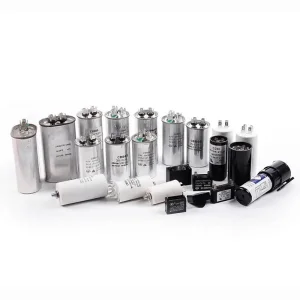
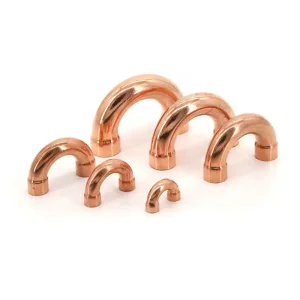
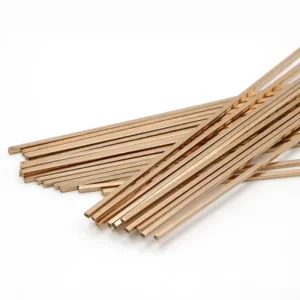
Explore our range of matching accessories designed to support and complete your refrigeration connection requirements.
Detailed engineering answers addressing performance, compatibility, and standard specifications.
 Taojun