Engineered to exact international standards with guaranteed reliability
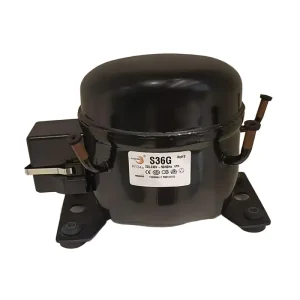
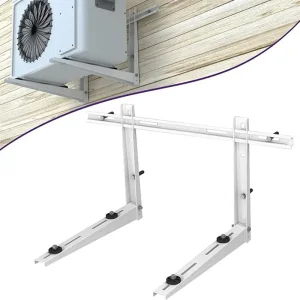
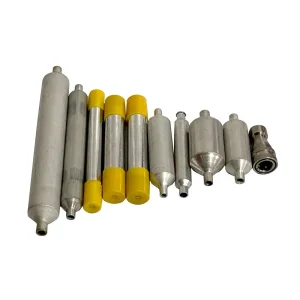
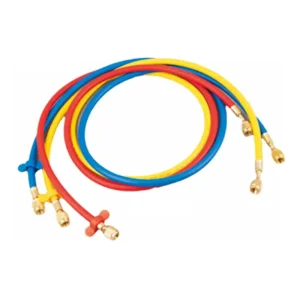
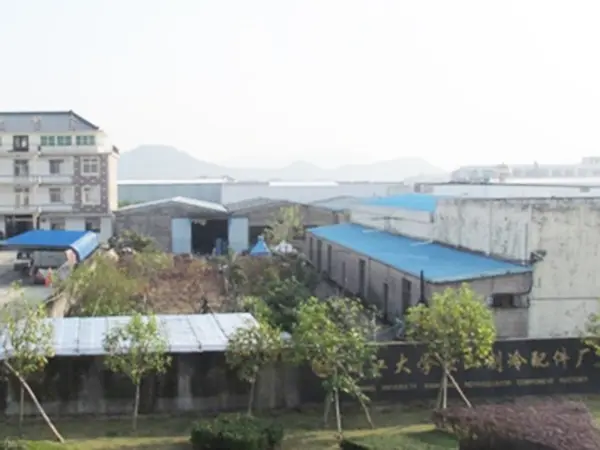
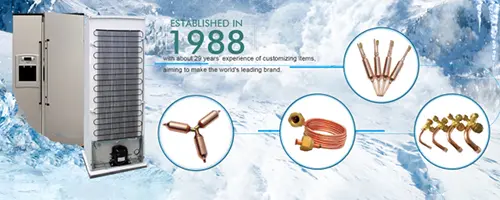
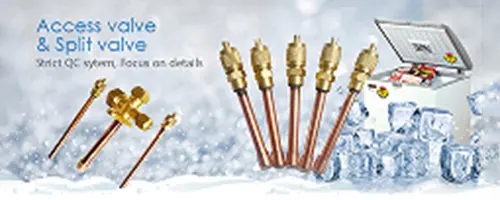
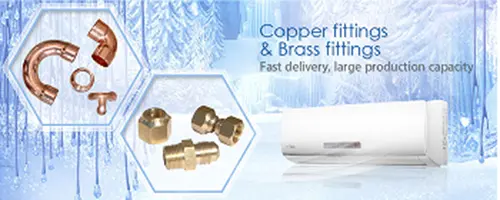
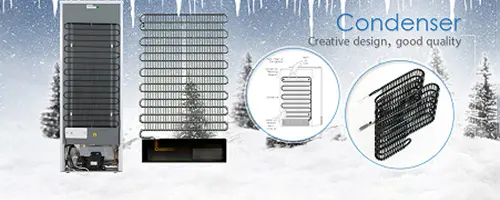
Ningbo Taojun Refrigeration Equipment Co., Ltd. is located in Xiangshan, Ningbo, a beautiful tourist city. Founded in 1988, its predecessor was Xiangshan Refrigeration Accessories Factory of Zhejiang University. Integrating industrial rigor with scientific research, we developed our leading refrigeration accessory series, which includes premium filter driers, check valves, air conditioning valves, condensers, brass and copper accessories, and specialized air conditioning cable ties.
After over 30 years of development and expansion, Taojun has transformed into a high-tech national enterprise (certified in 2021) that oversees full lifecycle operations from research and design to large-scale production, global sales, and ongoing technical support. Our hallmark brand, the "Lingshan" filter, has earned critical acclaim in domestic and international cooling supply lines.
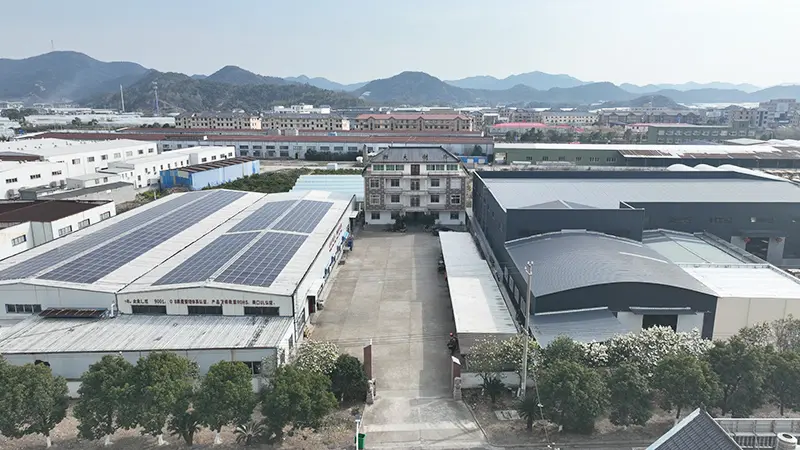
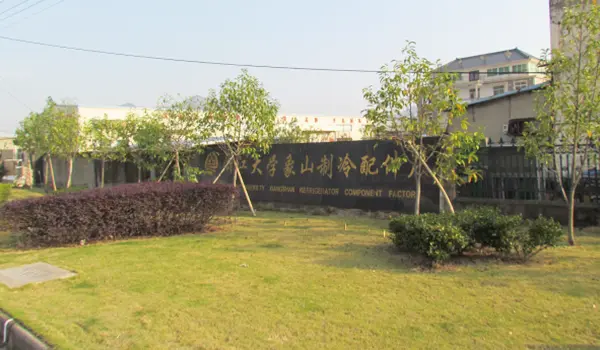
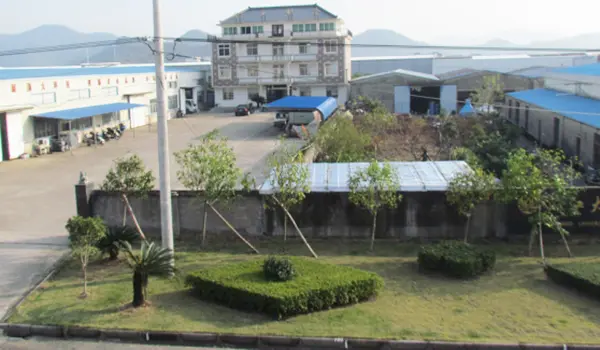
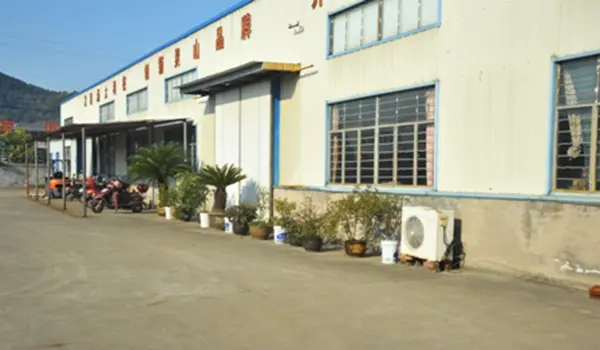
Our global footprint expands annually. Under the "Taojun" umbrella, established in 2012, we specialize in high-caliber OEM/ODM partnerships with leading tier-one domestic and multinational appliance brands, including Haier, Xinfei, Midea, Gree, Whirlpool, Electrolux, and Huarui. Our supply channels stretch extensively across major regional hubs in Europe, North & South America, the Middle East, Southeast Asia, and Africa.
In the refrigeration and HVAC (Heating, Ventilation, and Air Conditioning) industries, the term LWC stands for Level Wound Coil. These are long, continuous lengths of copper tubing wound in highly organized layers on cardboard or plastic reels, specifically engineered for automated manufacturing lines. Unlike standard pancake coils or straight lengths, LWCs allow for uninterrupted high-speed runs on tube-bending and hair-pin forming machinery.
The term "Soft Annealed" refers to the metallurgical state of the copper. Annealing is a critical thermal treatment process. By heating the copper tube to its recrystallization temperature (typically between 400°C and 650°C) and cooling it in controlled environments, the grain structure relaxes. This alters the mechanical properties of the metal, turning brittle copper into a flexible, highly ductile, and highly formable product. For LWCs, controlling this annealing process ensures the correct balance of tensile strength and elasticity, vital for avoiding cracking during rapid mechanical deformation.
| Metallurgical Property | Light Annealed (O50) / Soft (O60) | Half-Hard (H58 / H80) | Hard-Drawn (H04) |
|---|---|---|---|
| Tensile Strength (MPa) | ≥ 205 - 220 | ≥ 250 - 280 | ≥ 290 - 320 |
| Elongation (%) | ≥ 40% (Highly Ductile) | ≥ 15% - 20% | ≥ 3% - 5% (Brittle) |
| Grain Size Limit (mm) | 0.025 - 0.045 | No specific requirement | No specific requirement |
| Formability & Bending | Excellent (No micro-cracking) | Moderate (Requires bending tools) | Poor (Requires heat / breaks easily) |
High-quality Soft Annealed LWCs are manufactured almost exclusively from C12200 (DHP - Deoxidized High Phosphorus) copper. Deoxidation with phosphorus restricts hydrogen embrittlement when the tubes are brazed or welded, making it the ideal alloy for refrigeration applications where leak-proof connections are non-negotiable. Furthermore, C12200 maintains a copper purity level of 99.9% minimum, ensuring excellent thermal conductivity, corrosion resistance, and prolonged structural reliability even when exposed to high-pressure modern green refrigerants such as R410A, R32, and R290 (propane).
How international regulatory demands and thermodynamic shifts shape sourcing
The global shift toward green cooling mediums with lower GWP (Global Warming Potential) forces HVAC systems to operate at significantly higher pressures. Soft annealed LWCs must exhibit flawless structural integrity and wall-thickness uniformity to resist rupture under elevated internal pressures.
Smart factories rely on high-speed industrial coil-winding and hairpin-bending robots. Sourcing Soft Annealed LWC with precise grain size ensures the copper forms smoothly without tearing or necking, eliminating downtime on multi-million dollar automated assembly floors.
Modern HVAC compressors are highly sensitive to particulate contaminants and residual oil. Suppliers are now bound by strict DIN EN 12735-1 / ASTM B280 clean-surface regulations, specifying residual carbon levels below 0.038 g/m² inside the inner surface of the tubes.
Across the Americas and Europe, stringent energy efficiency ratings, such as SEER2 in the US and ErP directives in the EU, drive demand for thinner-walled, inner-grooved (micro-grooved) LWCs. These inner-grooved variants enhance internal heat transfer coefficients by up to 300% compared to smooth bore tubes, but require specialized micro-extrusion and meticulous annealing control. Consequently, procurement officers look directly to China's leading manufacturing hubs to source high-yield, cost-effective LWCs with advanced properties.
Why do global OEMs like Whirlpool and Electrolux continuously partner with Chinese manufacturers like Ningbo Taojun? The answer lies in structural supply chain efficiency, advanced process technology, and state-of-the-art management systems.
As the successor to the Xiangshan Refrigeration Accessories Factory of Zhejiang University, Ningbo Taojun integrates academic-level research with industrial-grade application. Our R&D center houses 15 core engineers, comprising doctors and professors from the renowned University of Science and Technology of China (USTC). This deep technical foundation enables us to continuous innovate in copper alloy composition, grain size control, and advanced mechanical processing, maintaining a competitive edge over conventional manufacturers.
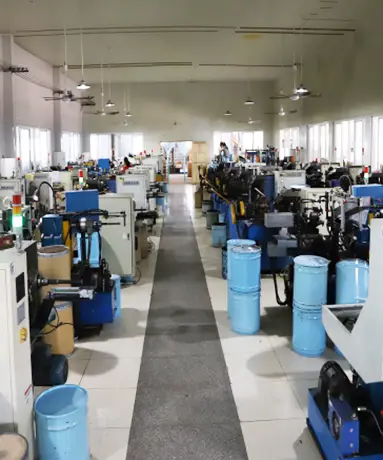
Leveraging advanced factory setups, Taojun integrates a complete MES (Manufacturing Execution System) to track every coil of LWC from casting, drawing, and final annealing. Coupled with CCD high-resolution visual inspection systems, our automated drawing lines identify surface aberrations, micro-fissures, and dimensional variances in real time. This ensures our finished LWCs are free of flat spots, scale, or geometric inconsistencies.
Our core production machinery is imported directly from Germany to ensure extreme mechanical precision during extrusion and level-winding processes. To maintain zero defect rates, we import our primary liquid crystal spacers and ITO films directly from Japan, and specialized heat-resistant sealants from Europe. The result is a manufacturing framework capable of producing consistent O50 and O60 soft annealed coils that withstand pressure shocks and temperature fluctuations.
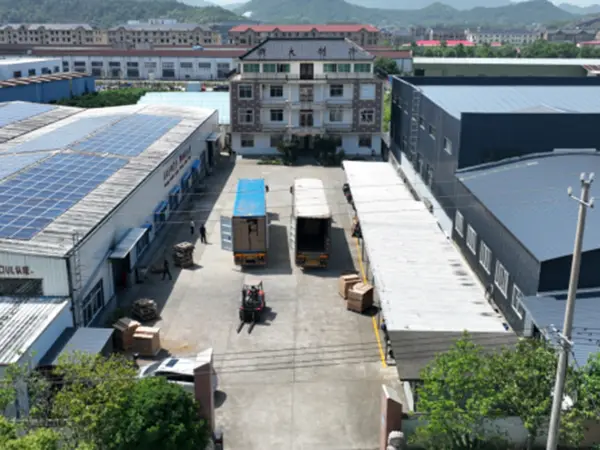
Situated in Ningbo, Zhejiang province, our facility enjoys immediate proximity to the Port of Ningbo-Zhoushan—one of the largest deepwater ports in the world. This geographical location translates to reduced inland transport costs, minimized handling damage, and efficient container packing, allowing for rapid oceanic shipping to global distribution centers.
How Soft Annealed LWCs are integrated into different cooling architectures
In residential and commercial air conditioning systems, soft annealed LWCs are uncoiled, cut, bent into U-shapes (hairpins), and expanded mechanically into aluminum fin stacks. Because of the excellent ductility of our soft annealed copper (minimum elongation of 40%), the expanding tool stretches the tube wall uniformly without causing longitudinal splits or thin spots. This ensures a permanent, high-integrity thermal bond with the fins.
Fittings like copper filter driers and accumulator tanks require intense localized forming, including end spinning, swaging, and reduction. Using pre-annealed copper ensures that these operations can be performed without intermediate stress-relief heat treatments. The copper flow remains fluid and uniform during spin-closing, eliminating pinhole micro-leaks where molecular sieve desiccant cores are encapsulated.
In complex Variable Refrigerant Flow (VRF) architectures, structural branches and manifold connections are routed throughout residential and commercial spaces. Ductless mini-split installers demand reliable copper that can bend easily around tight corners and support flare joints without cracking. Our soft annealed LWCs provide the flexibility required for fast installations and prevent pressure losses at joint junctions.
Automobile heat exchangers operate under constant vibration and mechanical shock. Our LWCs meet stringent automotive standards, ensuring high vibration fatigue limits. The tight control over the recrystallization process prevents grain growth that could otherwise act as stress-concentration points during long-term field operation.
Our commitment to safety and engineering authority is verified by top international testing bodies and strict industrial audits.
Taojun operates a comprehensive quality tracking protocol. We perform detailed inspections across five developmental and logistical stages:
Our operational management systems are accredited under the latest international standards. We hold active registrations for GB/T19001-2016 / ISO9001:2015 (Registration No.: 41325Q00065R0S), verifying our quality framework for designing and manufacturing refrigeration valves, condensers, and filter driers. Additionally, our materials are fully certified under EU RoHS directives, REACH compliance, WEEE, and the strict safety guidelines of US UL certification.
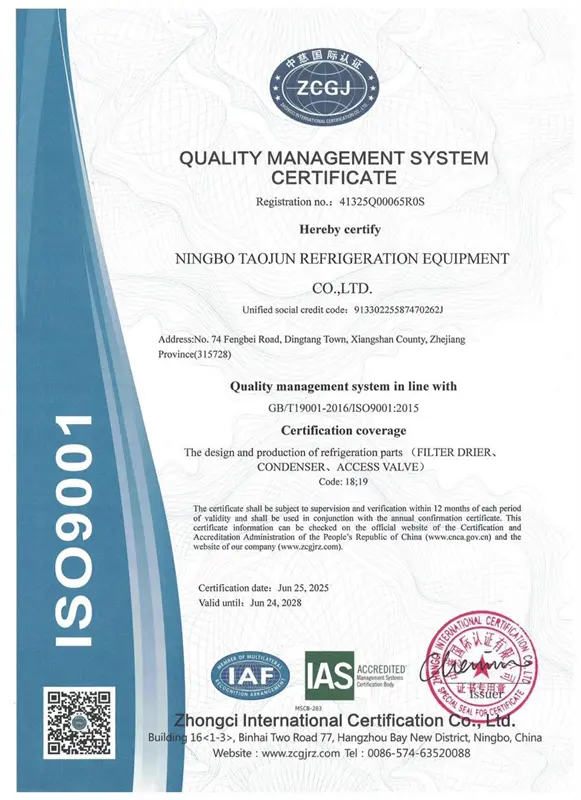
Main ISO 9001 Document
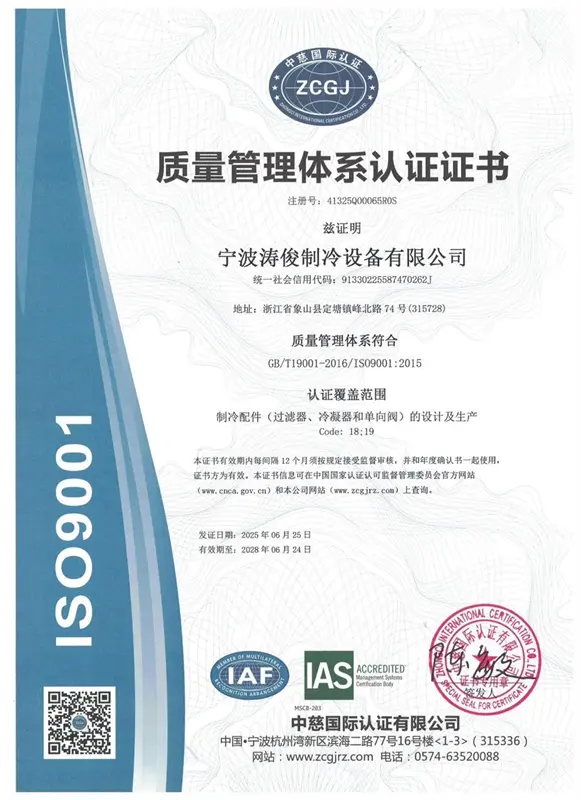
Scope of ISO Certification
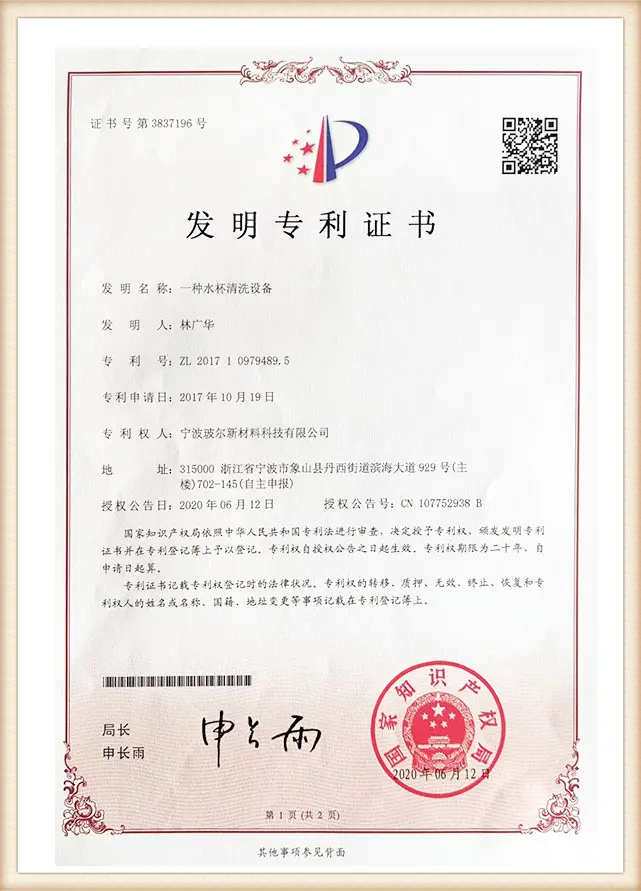
High-Tech Enterprise Certificate
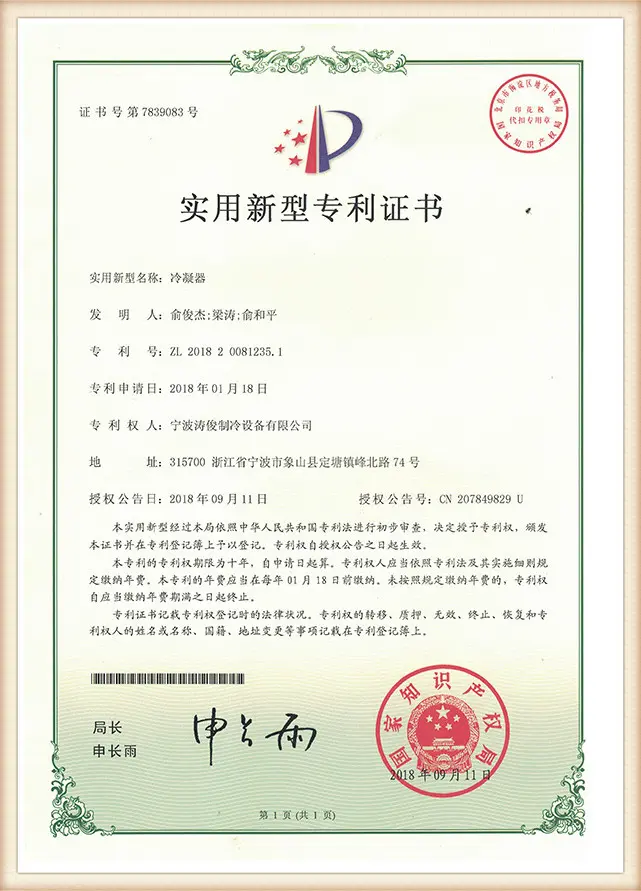
UL Compliance Certificate
To reduce refrigerant charge weight and enhance heat transfer rate, manufacturers are transitioning to microgroove copper tubes. Future LWCs will require internal spiral ribs with heights down to 0.1mm, demanding tighter tolerance controls and advanced extrusion techniques.
Environmental policies dictate carbon neutrality across supply chains. Chinese factories are integrating low-carbon casting processes, closed-loop water recirculation systems, and using recyclable packaging options to reduce carbon emissions per ton of copper processed.
Through barcode and RFID serialization, every LWC reel can link back to its specific production lot, copper batch, and QC metrics. Global OEMs can query structural properties instantly prior to machining, minimizing manual data management.
As the demand for energy-efficient commercial heat pumps and electric vehicle thermal management systems increases globally, standard Pancake coils are being replaced by high-weight LWC spools (up to 300kg). This shift helps optimize automated factories by minimizing changeovers and reducing material scrap.
For international procurement officers and engineering departments, sourcing soft annealed Level Wound Coils requires matching exact physical properties with logistical compliance. Below is our recommended verification framework prior to signing supply contracts:
Addressing core technical and procurement questions from engineers and buyers
Industrial components manufactured to support your global operations
 Taojun