Choosing the right HVAC filter drier is crucial for maintaining your system's efficiency. An HVAC filter drier serves a vital function. It filters and removes moisture from refrigerants. This protection can prolong the life of your equipment.
When selecting an HVAC filter drier, consider key factors. Evaluate the type of refrigerant used in your system. Each refrigerant type may require a different filter drier. Capacity is another determining factor. Too small a drier won't effectively manage moisture.
It's also important to think about installation. Some filter driers are easier to install than others. Look for models that fit your setup without complicated modifications. If uncertain, consult an HVAC professional. They can guide you toward the best choice for your needs. Remember, the right HVAC filter drier can significantly impact performance and longevity.
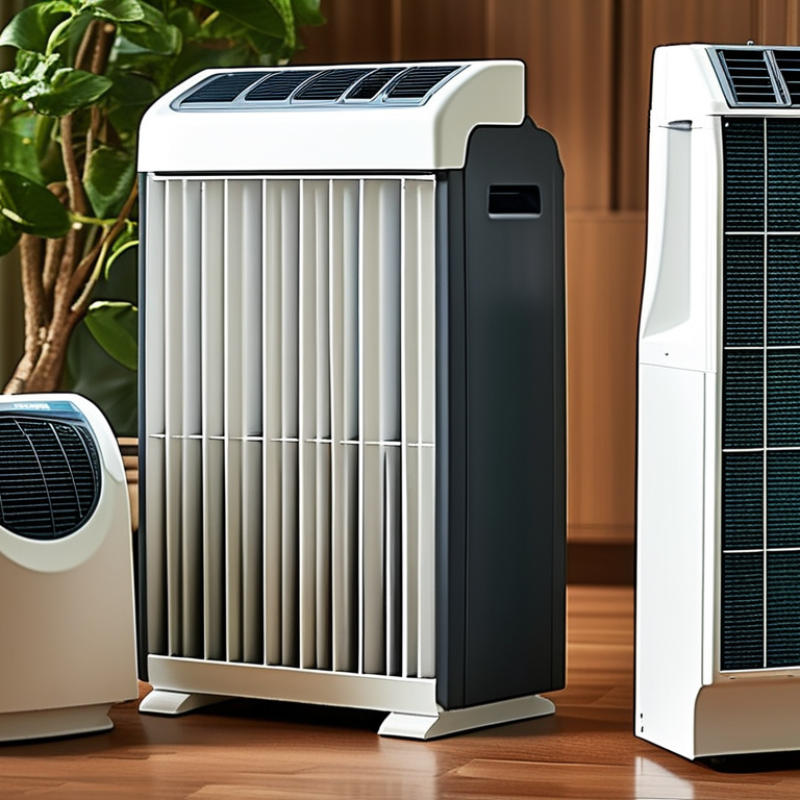
The efficiency of an HVAC system heavily relies on the quality of its components, including filter driers. These devices remove moisture and contaminants from refrigerants, ensuring smooth operation. According to the U.S. Department of Energy, moisture can degrade HVAC performance and lead to failures. A quality filter drier is crucial in preventing ice formation in the system.
Regularly monitoring your HVAC system is essential. If a filter drier becomes saturated, it can restrict flow. This can cause your system to work harder, increasing energy consumption by up to 10%. Inconsistent performance and reduced lifespan may follow. Therefore, it's vital to choose a filter drier that matches your system’s requirements.
Understanding the specifications is key. Refrigerant types and system sizes matter significantly. A mismatch can lead to inefficiency. Additionally, National Institute of Standards and Technology (NIST) recommends professional assessment for optimal choices. Relying solely on generic data might not serve your specific needs. Customize your approach for better efficiency and reliability.
| Filter Drier Type | Applications | Refrigerants Compatibility | Max Operating Pressure (psi) | Working Temperature Range (°F) |
|---|---|---|---|---|
| Standard Filter Drier | Residential A/C Systems | R-22, R-410A | 350 | -10 to 130 |
| Bi-flow Filter Drier | Heat Pumps | R-22, R-410A, R-134A | 400 | -20 to 140 |
| Liquid Line Filter Drier | Commercial Refrigeration | R-404A, R-507 | 350 | 0 to 120 |
| Suction Line Filter Drier | Chilled Water Systems | R-123, R-134A | 300 | -20 to 100 |
When choosing an HVAC filter drier, consider key factors that impact efficiency and performance. The type of system you have, whether it's a heat pump or air conditioning unit, requires different specifications. A well-matched filter drier can enhance the refrigerant process and prolong the system lifespan. For example, improper selection could lead to increased energy consumption by up to 20%, based on industry studies.
Look at the moisture and acid removal capacities of the drier. The best options have high moisture absorption. A drier that can eliminate at least 2 to 5 ppm of moisture is ideal for many HVAC systems. This ensures your system runs smoothly and reduces the risk of refrigerant breakdown.
Tips: Always check the compatibility of the drier with your refrigerant type. Using the wrong drier can obstruct system flow. Regularly inspect and replace the filter drier to maintain optimal performance.
Another consideration is the capacity rating. An undersized drier can create pressure drops, leading to inefficiency. Studies suggest that a drier must match your system's refrigerant load to avoid these issues. Take the time to assess the system needs thoroughly. This can prevent costly repairs later on.
When selecting an HVAC filter drier, understanding the types available is crucial. Each type serves unique purposes in the HVAC system. The most common types include desiccant, suction line, and liquid line filter driers. Desiccant filter driers absorb moisture, making them ideal for environments prone to humidity. Suction line filter driers protect the compressor from debris. Liquid line versions help maintain refrigerant purity, ensuring efficient cooling.
Tips: Always check the specific application requirements before making a purchase. Not all systems need the same drier type. Installing the wrong one can lead to inefficiency.
Consider your HVAC system's size and complexity. Larger systems often require robust filter driers. Smaller systems might only need basic options. Regular maintenance of these components can prevent unexpected breakdowns. Keep an eye on the filter drier condition, as this impacts overall performance.
Some may overlook the importance of the filter drier in maintenance schedules. Remember, an efficient HVAC system relies on clean refrigerant. Make informed choices to maximize your system's lifespan and efficiency.
Contaminants can significantly affect HVAC system performance. Dust, moisture, and chemicals can clog filters and impair airflow. This leads to inefficiencies and increased energy consumption. A dirty system works harder, which may shorten its lifespan. Understanding the types of contaminants is essential for optimal functioning.
Regular inspections are vital. They help identify the specific contaminants that might be present. For example, mold can thrive in humid environments, while dust builds up over time. Both require different approaches for cleaning and maintenance. Many users overlook these factors, resulting in reduced HVAC efficiency.
Choosing the right filter drier can mitigate these issues. It should be compatible with your system and finely tuned to remove specific contaminants. Some filters focus on particulate matter, while others target moisture. Take time to analyze your needs and system specifications. This choice can have long-term impacts on system reliability and comfort.
Maintaining HVAC filter driers is crucial for system efficiency and longevity. Regular maintenance can prevent costly repairs. According to the U.S. Department of Energy, filters that are not regularly replaced can lead to a decrease in HVAC efficiency by up to 15%. Keeping your unit clean is essential.
One key guideline is to check the filter drier monthly. Remove dust and debris to ensure proper airflow. In addition, replace the filter drier every six months or as recommended by professionals. A clogged filter drier can lead to system strain. Check for signs of wear or leaks. Small issues can escalate quickly.
Another important aspect is monitoring refrigerant levels. Low refrigerant can signal a problem with the filter drier. Research from the Air Conditioning, Heating, and Refrigeration Institute indicates that low refrigerant levels can reduce cooling capacity by 20%. Always consult a qualified technician for complex issues. Regular checks and maintenance can save time and money in the long run.
C filter drier?
It can increase energy consumption by up to 20% and reduce system efficiency.
A drier capable of eliminating 2 to 5 ppm of moisture is recommended.
Regular inspections help maintain optimal performance and prevent costly repairs.
Contaminants like dust and moisture can clog filters and impair airflow, leading to inefficiency.
Common contaminants include dust, moisture, and mold. Each requires different cleaning methods.
Yes, an undersized drier can create pressure drops, leading to inefficiencies.
Regular replacement is crucial for maintaining system efficiency and lifespan.
Neglecting maintenance can lead to reduced efficiency and a shorter system lifespan.
Analyze your system needs thoroughly before making a selection.
Choosing the right HVAC filter drier is crucial for maintaining system efficiency and longevity. HVAC filter driers play a significant role in filtering and removing contaminants from the refrigerant, which can enhance the overall performance of the system. When selecting a filter drier, factors such as the type of refrigerant, system capacity, and the specific application must be carefully considered. Understanding the different types of HVAC filter driers can help you select the most appropriate one for your needs.
Additionally, it's important to recognize the impact of contaminants on HVAC system performance, as they can lead to inefficiencies and potential damage. To ensure optimal operation, following recommended guidelines for maintaining HVAC filter driers is vital. Regular maintenance can help prolong the life of the filter drier and contribute to the overall efficiency of the HVAC system.

Taojun