As HVAC technology evolves, selecting the right filter drier becomes essential for optimal performance. The filter drier plays a critical role in removing moisture and contaminants from refrigerants. According to a recent study by the Air Conditioning, Heating, and Refrigeration Institute (AHRI), improper filtration accounts for nearly 30% of HVAC system failures.
In 2026, market trends indicate an increasing demand for energy-efficient filter driers. Reports suggest that up to 65% of HVAC professionals prefer systems with advanced filtration technologies. This trend underscores the importance of choosing a filter drier that aligns with specific HVAC system needs. Not all filter driers are created equal. The right choice often hinges on factors like refrigerant type and operational conditions.
However, many HVAC technicians have expressed uncertainty regarding the best options available today. A survey revealed that 40% of them struggle to identify effective filter drier solutions. Addressing this gap in knowledge is vital. The right filter drier ensures long-term efficiency and reliability, but making an informed choice requires careful consideration.
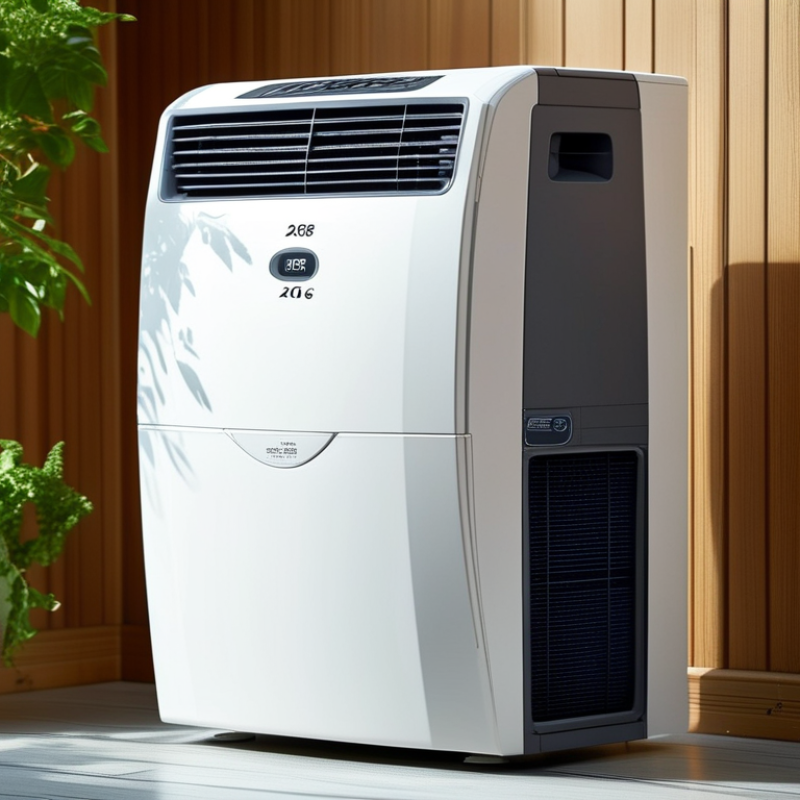
Filter driers play a crucial role in HVAC systems. They help maintain efficiency by removing moisture and contaminants from refrigerants. This function is vital to prevent corrosion and blockages. A dirty system can lead to costly repairs and inefficiency.
Selecting the best filter drier for your system is critical. Consider factors such as system type, refrigerant used, and flow rates. Always choose one designed to handle the specific conditions of your HVAC system. Proper sizing ensures optimal performance.
Tips: Regularly check and replace your filter drier. Signs of wear include noise or fluctuating temperatures. Sometimes the best option isn't the most expensive one. Balance cost and performance for the best results. Overlooking this could lead to system failure. Assessing your environment helps determine the right maintenance schedule.
Choosing the right filter drier for your HVAC system is crucial for optimal performance. There are mainly three types: liquid line driers, suction line driers, and bi-flow driers. Each type serves a specific purpose and functions differently based on your system's needs.
Liquid line driers help remove moisture and contaminants before refrigerant enters the evaporator. Studies show that up to 70% of HVAC failures are due to moisture contamination. Suction line driers, on the other hand, focus on filtering refrigerant returning to the compressor, ensuring that harmful particles do not cause damage. Bi-flow driers can operate in both directions, making them suitable for heat pumps.
When selecting a filter drier, consider system capacity and refrigerant type. A report from the Air Conditioning Contractors of America indicates that proper filtration can improve efficiency by 20%. Incorrect selections might lead to refrigerant floods, causing compressor failure. Understanding the specific needs of your HVAC system is vital. This ensures reliability and longevity, supporting the system's overall health. Every decision should be based on careful analysis, reflecting on the implications of a poor choice.
| Type of Filter Drier | Application | Refrigerant Compatibility | Capacity (BTU/hr) | Typical Price Range |
|---|---|---|---|---|
| Liquid Line Filter Drier | Air Conditioning, Refrigeration | R-22, R-410A, R-134A | 20,000 - 40,000 | $30 - $80 |
| Suction Line Filter Drier | Chillers, Heat Pumps | R-22, R-410A | 15,000 - 30,000 | $40 - $90 |
| Filter Drier with Bypass | HVAC Systems with Variable Loads | R-134A, R-404A | 25,000 - 50,000 | $50 - $110 |
| Inline Filter Drier | Commercial Refrigeration | R-410A, R-507 | 30,000 - 60,000 | $70 - $150 |
When selecting a filter drier for your HVAC system in 2026, consider the refrigerant type. Different refrigerants require specific filter driers to ensure optimal performance. Most systems operate with R-410A or R-22, which have distinct needs regarding moisture and debris removal. Using the wrong type can lead to inefficiency or system damage.
Another key factor is the drier's capacity. The size should match your system's specifications. A filter drier that is too small may not effectively remove contaminants, while an oversized one could lead to pressure drops. Always check manufacturer recommendations. Pay attention to installation guidelines as well; improper installation can compromise effectiveness and system safety.
Durability matters too. Look for materials that can withstand various pressures. Many driers use robust aluminum or steel, which enhance overall lifespan. However, it's easy to assume all products are equally reliable. Unforeseen failures can occur, emphasizing the need for regular maintenance and inspection. Doing so helps ensure the chosen filter works efficiently over time, thereby preventing costly repairs down the road.
Choosing the best filter drier for your HVAC system in 2026 involves understanding various brands and models. Each of these options serves a unique purpose, optimizing the performance of your air conditioning or refrigeration system. Reliable filter driers can effectively remove moisture, acid, and debris, ensuring better efficiency and lifespan of your units.
Consider models that have high moisture removal capacity and low pressure drop. Efficiency is key. Look for options that are easy to install. Also, think about the specific needs of your system. Not all driers fit every application.
Tips: Regular maintenance of your drier is crucial. Change or clean it as recommended. Neglect can lead to system inefficiency. Additionally, consider environmental factors. Humidity levels affect your system's performance. Make informed choices based on your HVAC setup. Test different models to see which performs best in your conditions. Your experiences will guide future decisions.
Maintaining your HVAC system is crucial for its longevity. A filter drier plays a vital role in this process. It removes moisture and contaminants from the refrigerant. Proper maintenance ensures optimal performance and efficiency.
One tip is to check the filter drier regularly. Look for signs of wear or clogging. If you notice a reduced airflow or unusual noises, it might be time for replacement. A clogged filter drier can lead to compressor failure, which is expensive to fix.
Another important factor is keeping the system clean. Debris can accumulate in the surrounding area. This can affect the air intake and overall efficiency. Ensure that the HVAC installation site is clear. Regular cleaning can go a long way.
Lastly, always follow manufacturer guidelines. Different systems have varying maintenance requirements. Ignoring these can lead to premature failures. Pay attention to the system's performance regularly to spot potential issues early. This proactive approach is key for a well-functioning HVAC system.
C systems?
Consider the system type and refrigerant used. Proper sizing is key for optimal performance. Analyze your system's specific conditions.
The three main types are liquid line, suction line, and bi-flow driers. Each serves a specific function based on your system's needs.
Moisture can cause up to 70% of HVAC failures. It leads to system inefficiency and expensive repairs. Regular checks are necessary.
Check regularly for noise or temperature fluctuations. Replace as needed to maintain efficiency. Neglecting this can lead to system failure.
No, the most expensive option isn't always best. Balance cost with performance. Sometimes a cheaper drier may suit your needs better.
Humidity levels can impact overall efficiency. Assess your environment to determine the right maintenance schedule. Adjust as needed for optimal function.
Incorrect selections can lead to refrigerant floods. This might cause compressor failure. Always reflect on the implications of your choice.
Change or clean it as recommended. Regular maintenance prevents inefficiency. Evaluate your experiences to inform future choices.
In 2026, choosing the right filter drier for your HVAC system is crucial for maintaining optimal performance and efficiency. Filter driers play a vital role by removing moisture and impurities from refrigerants, which helps protect the system from corrosion and operational issues. It's essential to understand the different types of filter driers available and select one that best suits your specific HVAC needs.
When selecting a filter drier, several key factors must be considered, including the type of refrigerant used, system size, and expected operating conditions. Proper maintenance is also critical for ensuring long-term functionality and performance of the filter drier. By following best practices for maintenance, you can extend the lifespan of your HVAC system and ensure it operates efficiently.

Taojun